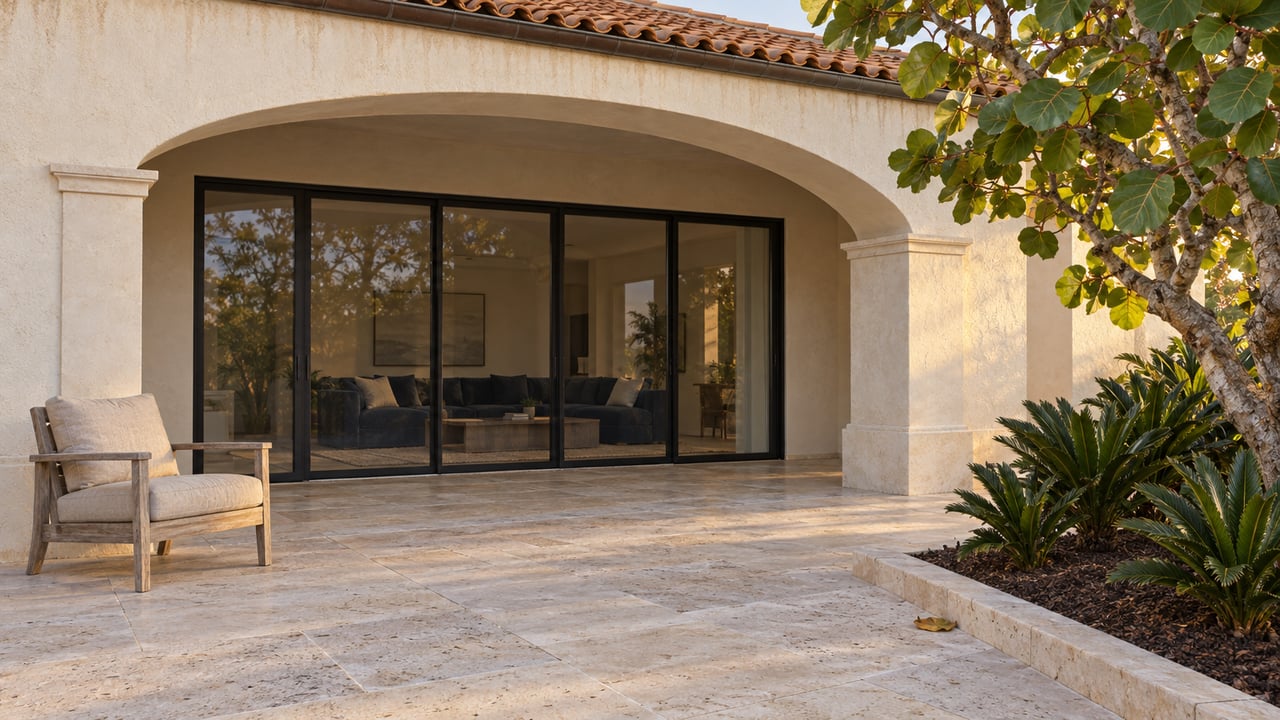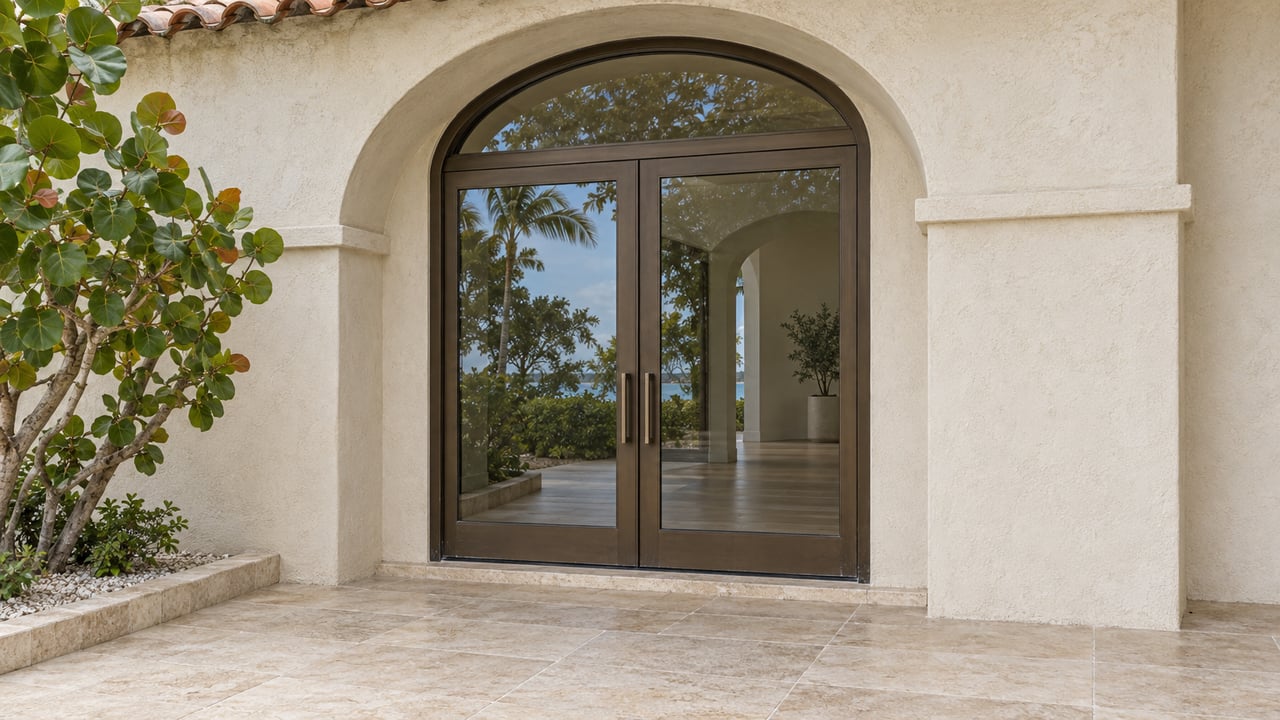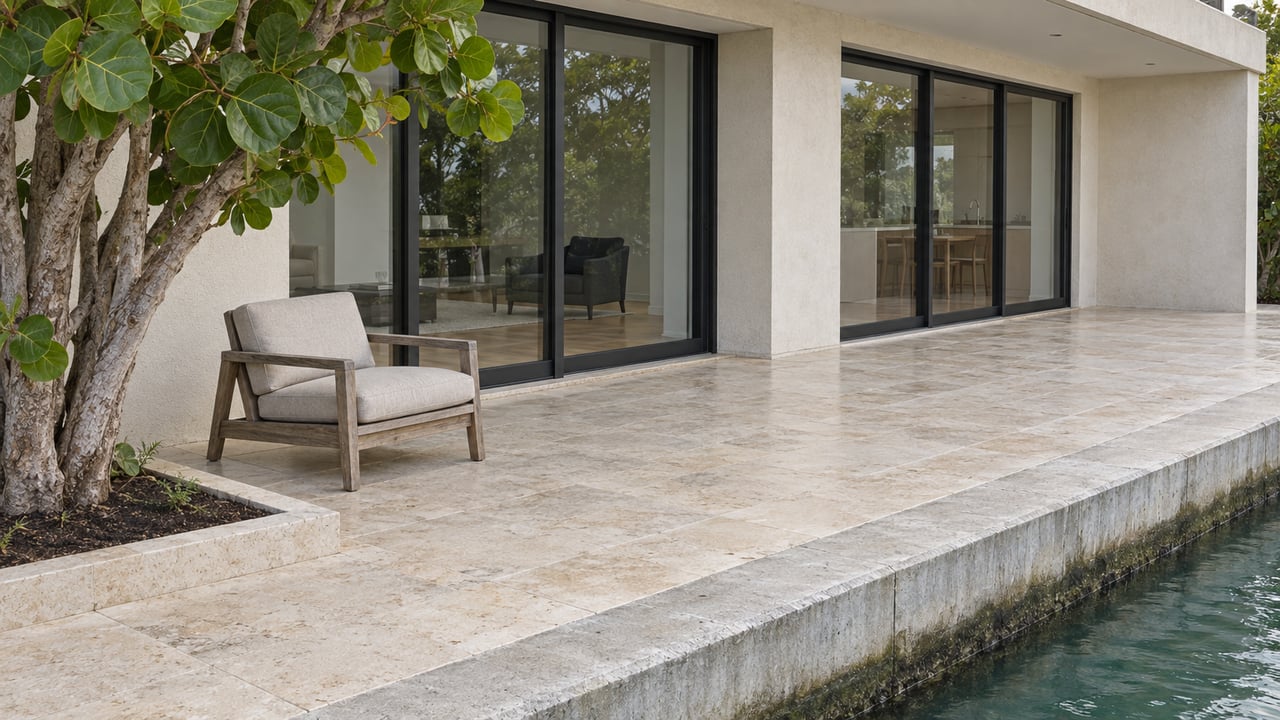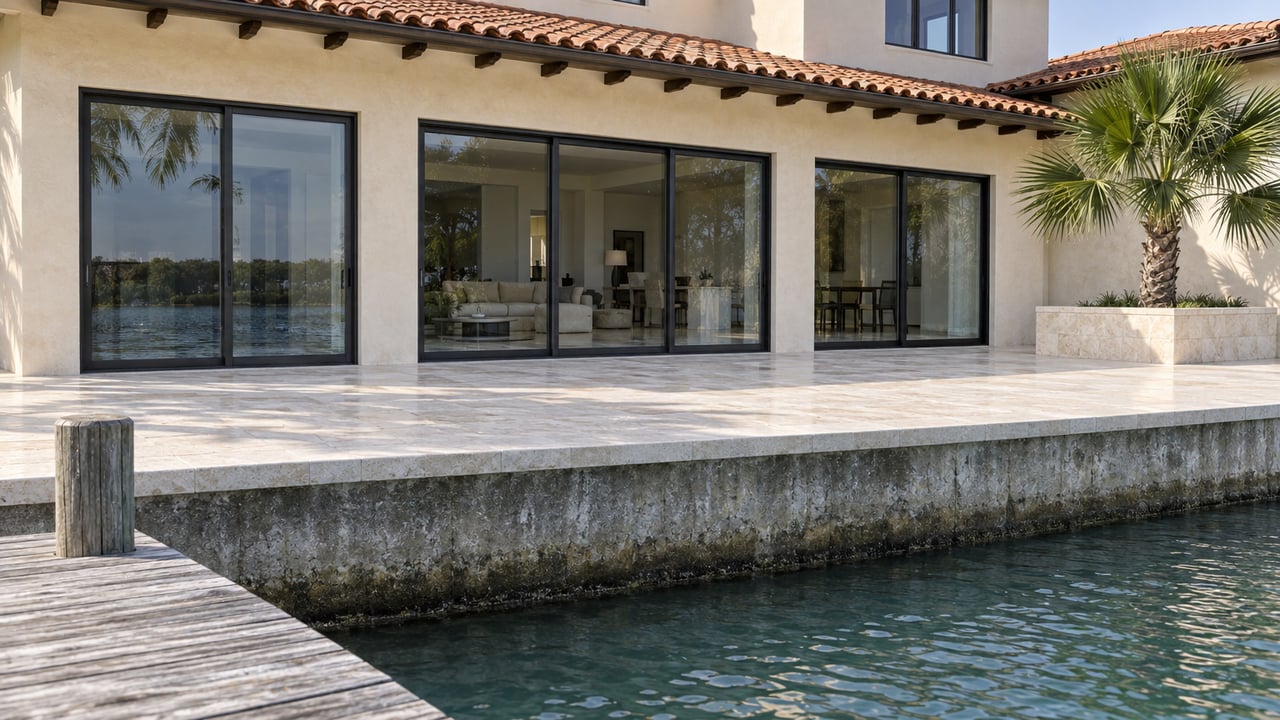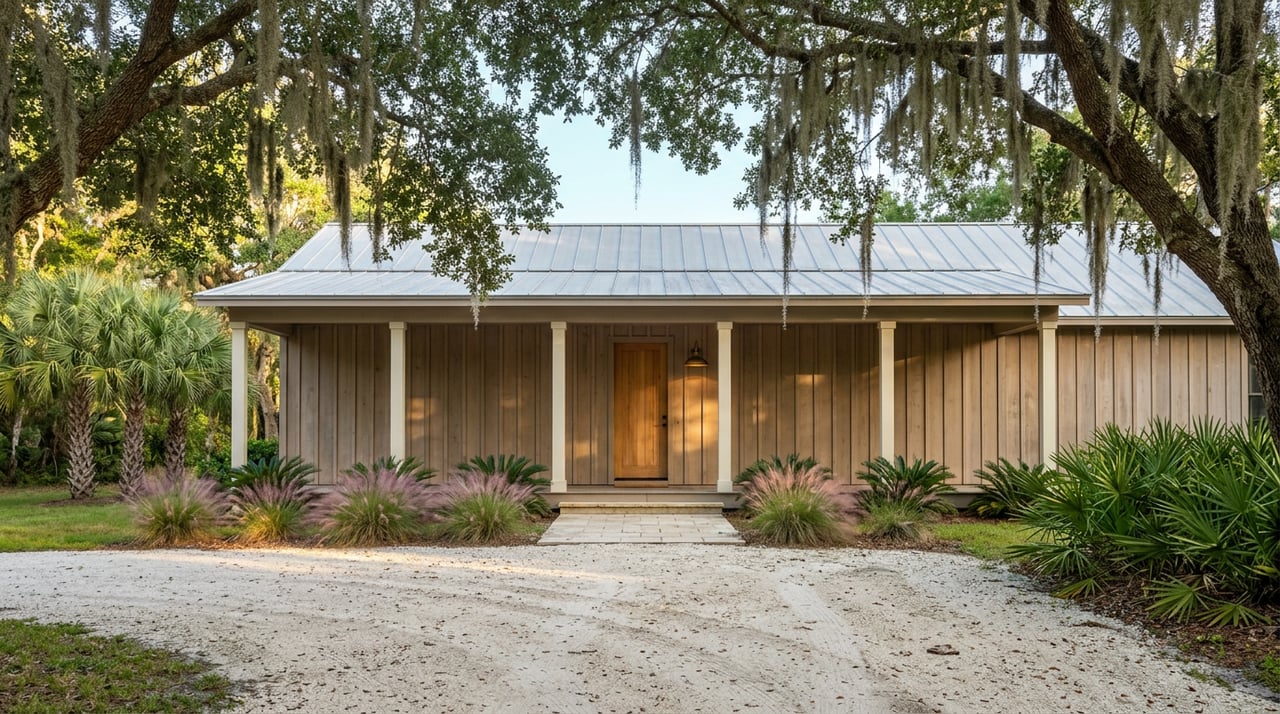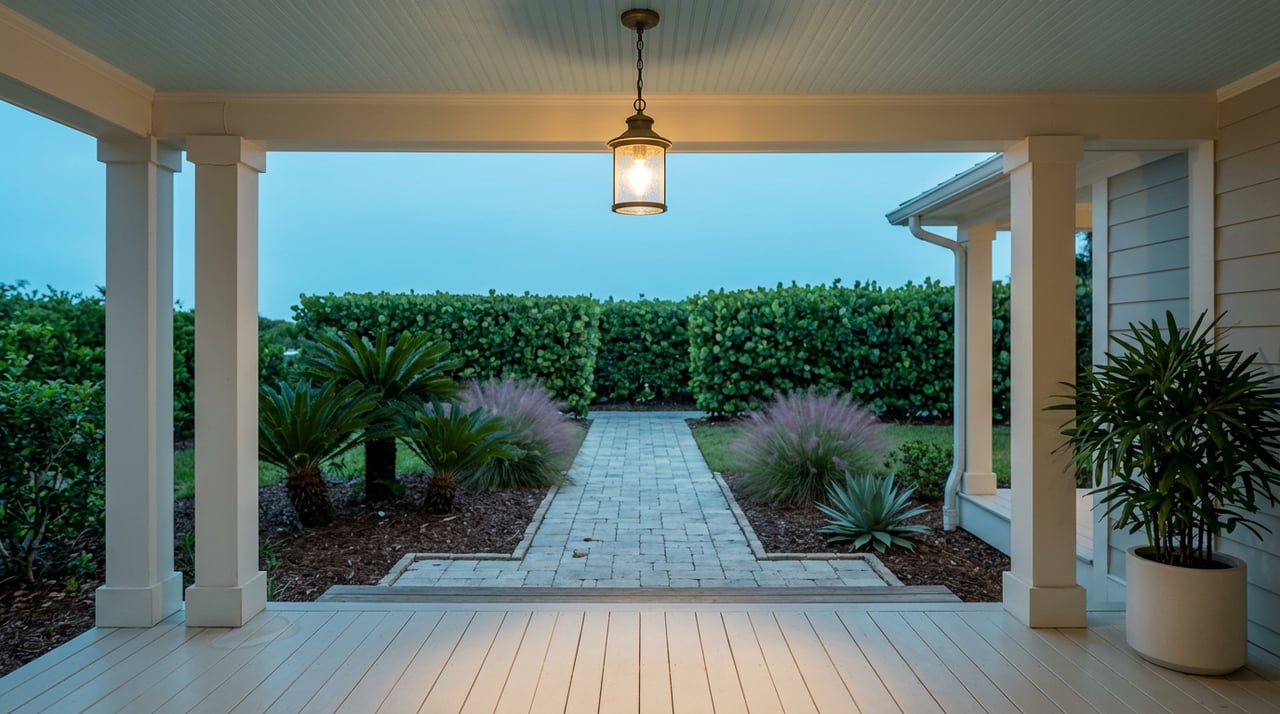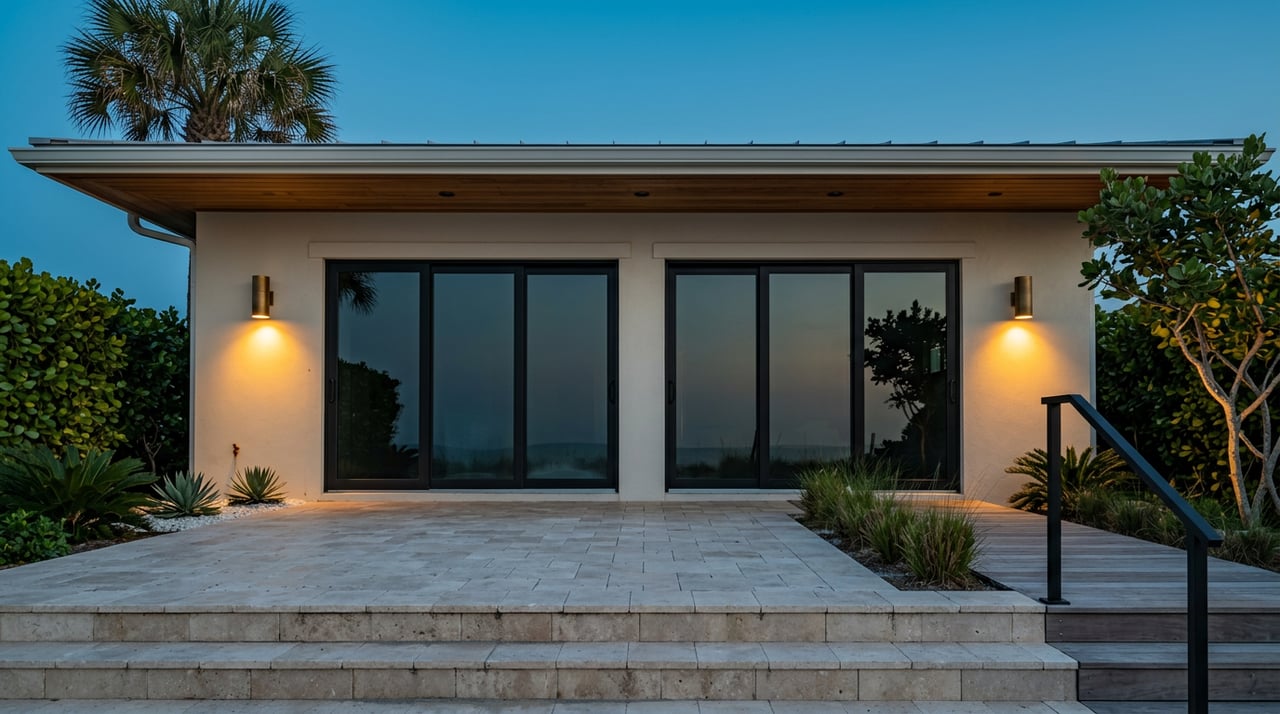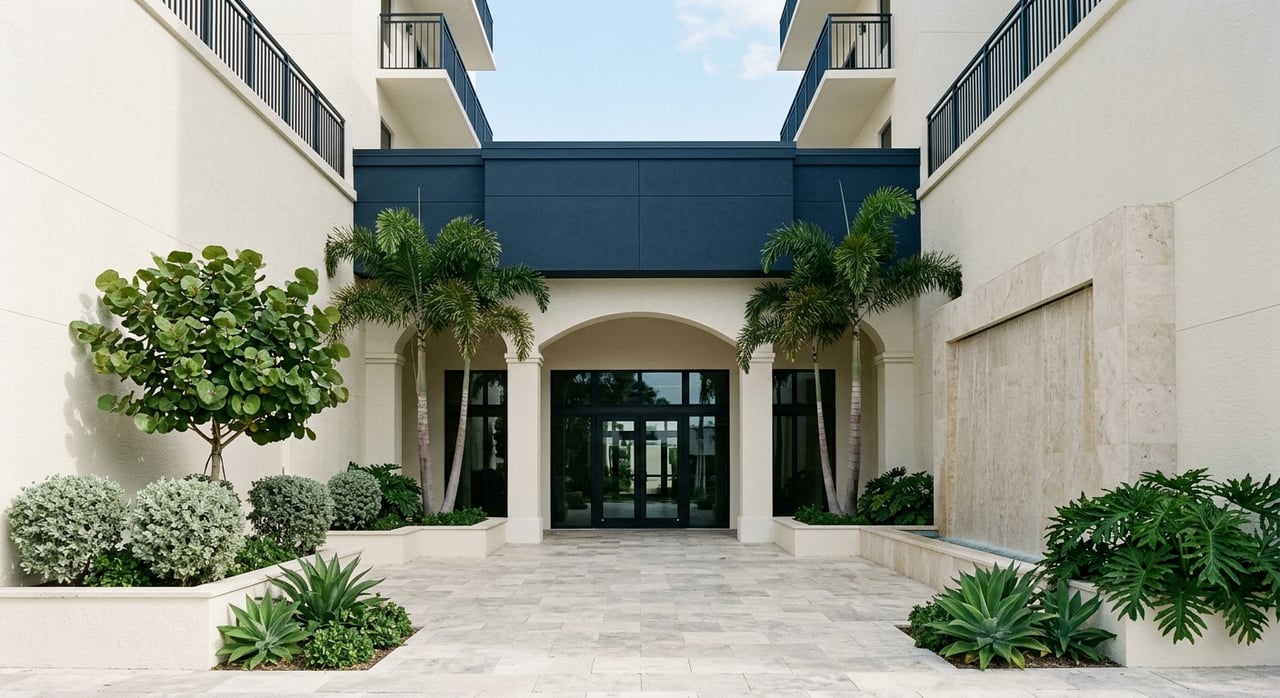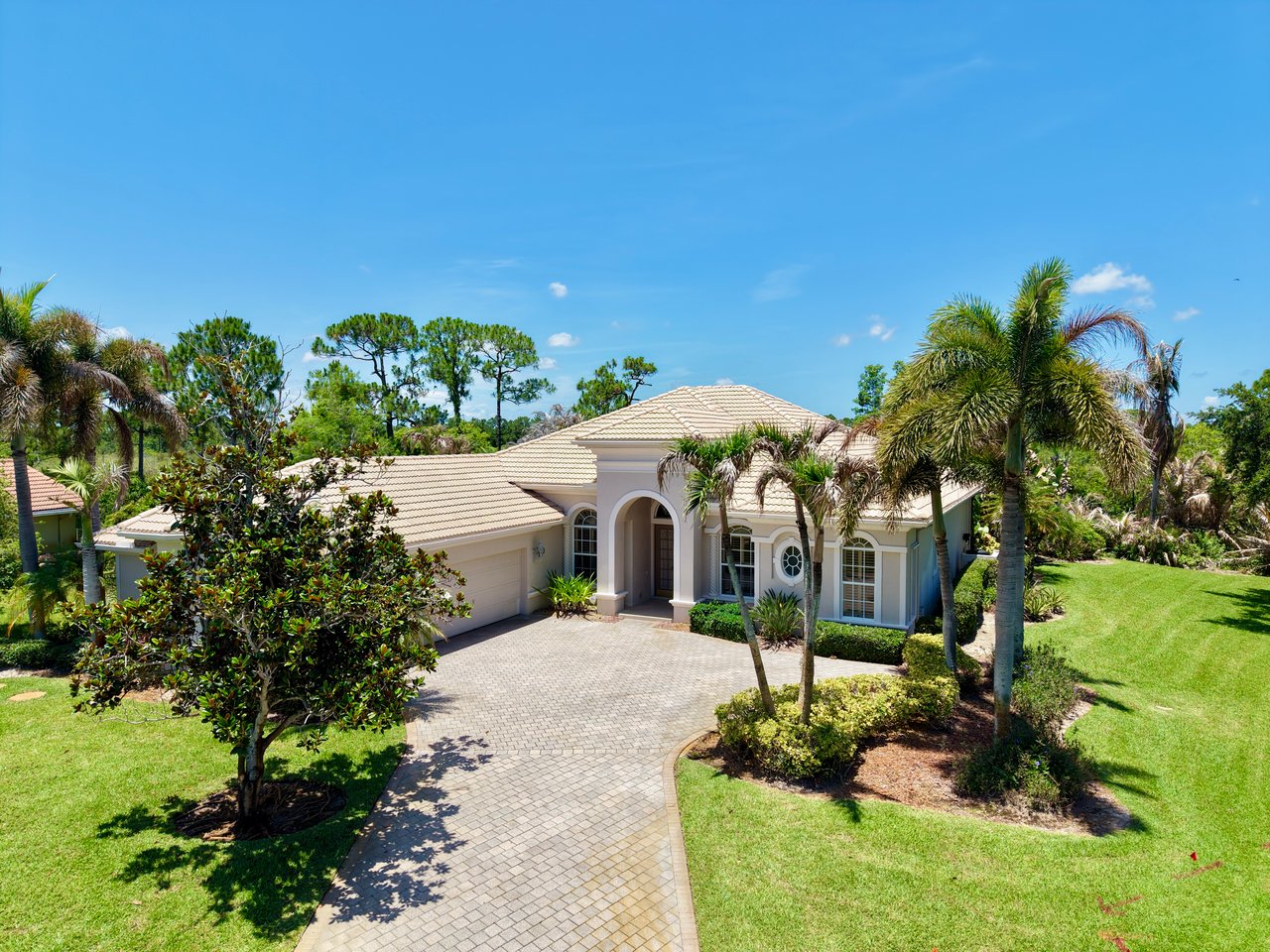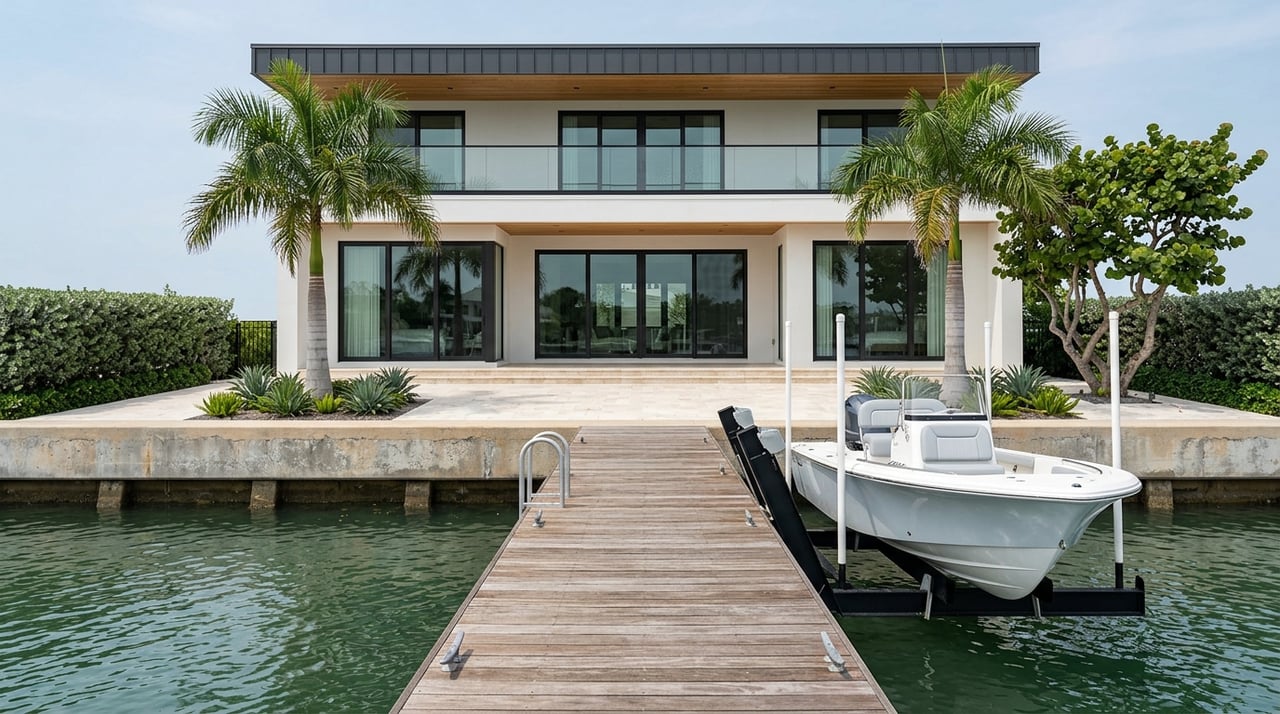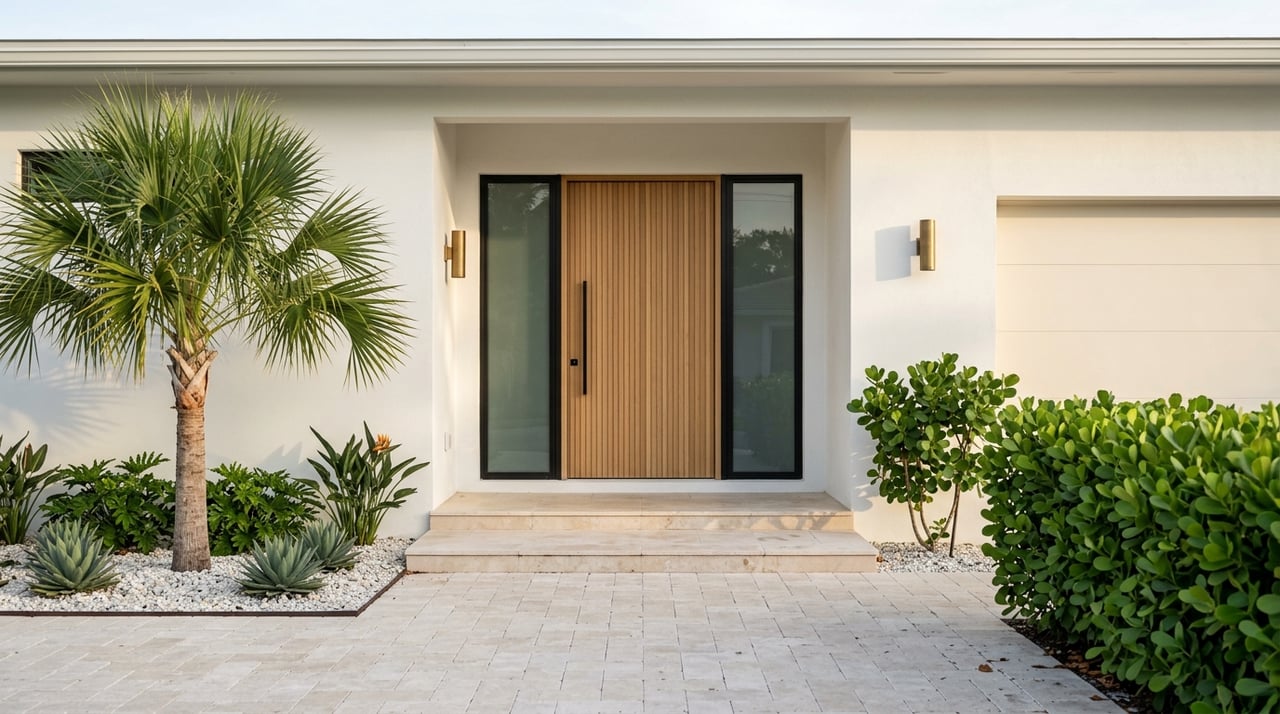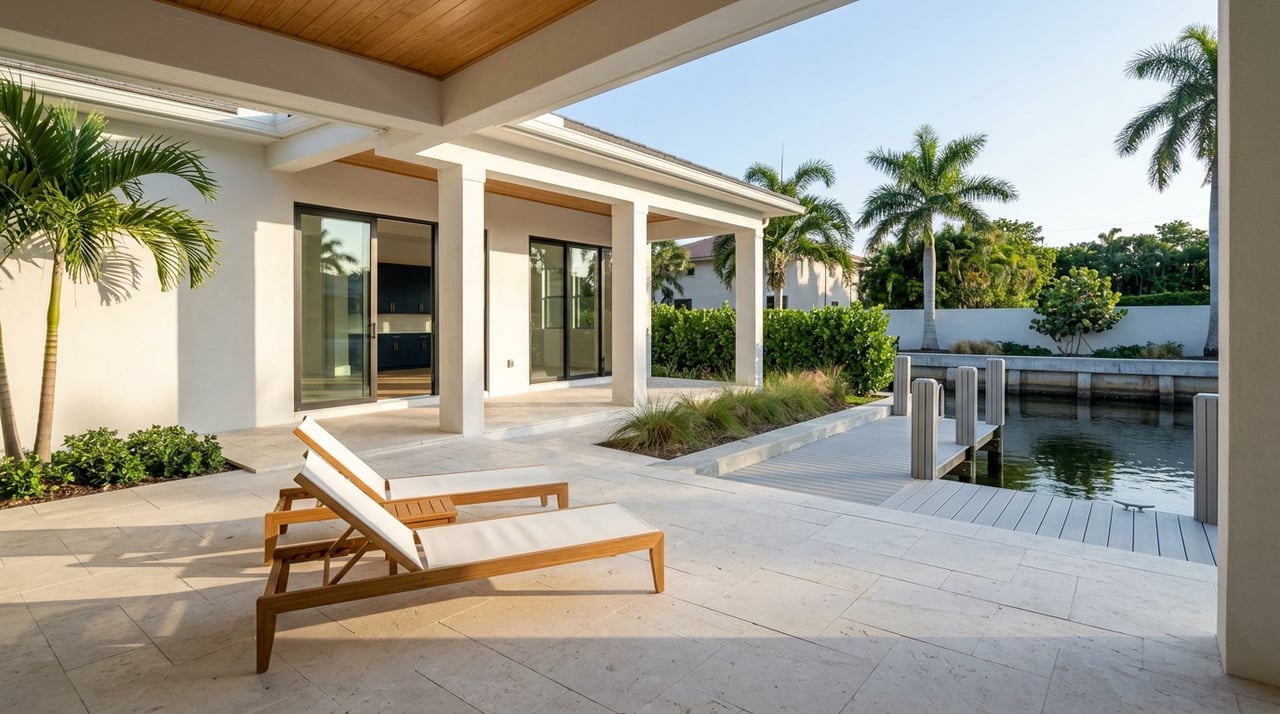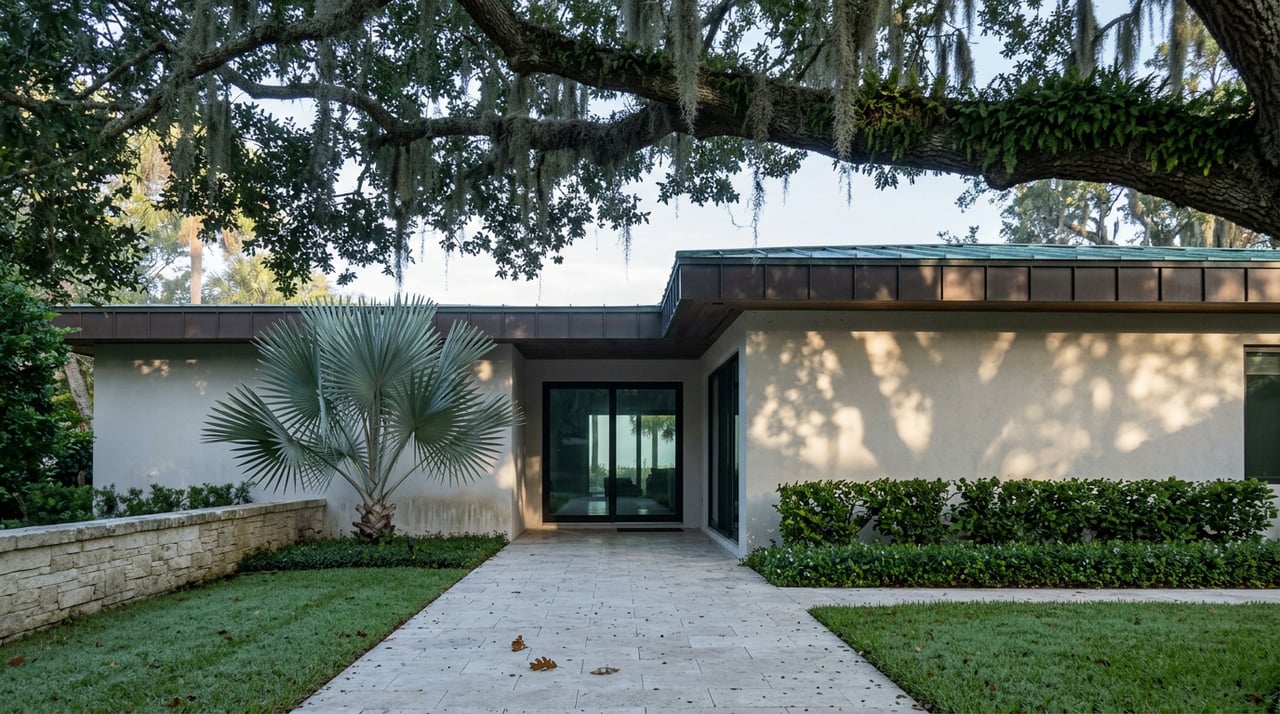
Somewhere on North Sewall's Point Road, the oldest recognized Heritage Tree in town has been standing since before most current residents moved in. It was formally recognized by the Town Commission on April 28, 2015, the first entry in a program built specifically to protect specimens too old, too large, or too tied to local history to treat like ordinary landscaping. That single tree is a useful stand-in for something most people who live here have never fully clocked: the canopy over this peninsula isn't background scenery. It's regulated infrastructure, with a permit process, a legal definition for what counts as ruining a tree, and rules that get least forgiving exactly when residents most want to act on their own.
That timing problem is the part worth understanding, because right now, in late September, Sewall's Point sits in the thick of it.
What Two Inches Actually Means
Sewall's Point has been a nationally recognized Tree City since 1990 and holds Audubon Society Certified Bird Sanctuary status, designations the town lists among its defining civic identity, alongside things like its charter and its police department. Those aren't ceremonial titles. They come with a working rule: any tree with a caliper of two inches or more, measured four feet above the soil, cannot be removed or relocated without a permit from Town Hall.
Two inches sounds like nothing until you picture it. That's not a mature oak. That's a tree that's barely cleared sapling stage, the kind of young growth homeowners elsewhere pull out without a second thought while doing routine yard cleanup. In Sewall's Point, that same tree is already inside the permitting system. The town's own guidance to new residents is direct about the stakes: permit fees are modest, but penalties for skipping the process are severe enough that the newcomer page tells people to stop by the building department before doing any significant tree work at all.
The Word for What You're Not Allowed to Do
The ordinance doesn't stop at removal. It also defines a specific practice most people wouldn't think to name: hat racking, the aggressive over-trimming of a tree until its limbs are stripped down to stubs. Under Sewall's Point code, hat racking is treated as the legal equivalent of removing the tree outright. You can't get around the permit requirement by technically leaving the trunk standing while cutting away everything that made it a tree.
Trimming permits that involve more serious work require the applicant to name a certified arborist who will complete or oversee it, along with proof of that arborist's credentials. Violations get enforced under the town's code as potentially irreparable or irreversible, language pulled straight from the ordinance's enforcement section, which is not the vocabulary of a rule anyone expects to bend on.
None of this exists in isolation from the town's broader identity. Sewall's Point also carries historical markers in Indialucie, High Point, and the town park, documenting a peninsula whose history was written up in detail by local historian Sandra Thurlow. The tree ordinance and the historical markers are doing similar work: both formalize the idea that the physical character of this place, canopy included, is something the town has decided is worth protecting on paper, not just admiring from a car window.
Why the Calendar Works Against You
Here's where the thesis actually lands. Atlantic hurricane season runs from June 1 through November 30, with peak activity concentrated in August, September, and October, which means today, September 24, sits squarely inside the window when trees feel most urgent. That's exactly when a homeowner looks at a limb hanging over the driveway and wants it gone before the next storm watch.
But the arboriculture guidance that circulates through University of Florida extension programs says the opposite. The recommended window for real hurricane tree preparation is months earlier, generally February through May, well before a storm is even named. Waiting until a system is tracking toward Florida and then rushing a big pruning job is considered bad practice, not good defense. Large, hurried cuts made under time pressure heal more slowly and can leave a tree more vulnerable to decay long after the storm has passed. Improper last-minute pruning is a documented contributor to storm damage, not a fix for it.
Lay that guidance next to the Sewall's Point ordinance and something clicks. The rule that feels like an obstacle in September, requiring a permit, requiring a named arborist, banning the quick and drastic hat rack job, is pointing in the same direction as the science. Both systems agree that panicked, reactive tree work in peak season is the wrong move. Most residents only ever experience the ordinance as a delay. Understanding the timing behind it reframes the delay as a prompt to plan tree work before peak season, rather than react during it.
The building department's own advice to newcomers is blunt: talk to them before doing any significant tree work, because the fines for skipping that conversation are heavier than the fees for having it.
What This Actually Means If a Storm Is Already in the Forecast
For a resident standing in the yard right now, a few things follow directly from all of this:
- A permit is required for any tree at or above two inches in caliper, not just large or obviously old ones, so a routine trim of a young tree can already fall inside the rule.
- Hat racking will be treated as removal under the code, so a fast, drastic cut to get ahead of a storm can trigger the same enforcement as taking the tree down without a permit.
- Trimming that requires a certified arborist means confirming that credential before work starts, not after, since the permit process is built around that name being on file.
- If the tree in question sits within one of the areas the Heritage Tree Program has recognized, or looks like a candidate for it given its size or age, that's worth a call to Town Hall before any cut, not after.
- The best time to have already done the serious pruning was months ago. The next best time is after this season, not during a watch.
Two Systems, One Answer
The Heritage Tree Program exists to preserve trees valued for their size, age, or history. The caliper rule exists to keep ordinary trees from disappearing one quiet Saturday at a time. The hat racking ban exists so a technicality doesn't gut the intent of either. All three point toward the same conclusion arborists reach independently: the canopy that makes Sewall's Point Road look the way it does, and that earned the town its Tree City and bird sanctuary status in the first place, survives because of patience applied months in advance, not urgency applied in September.
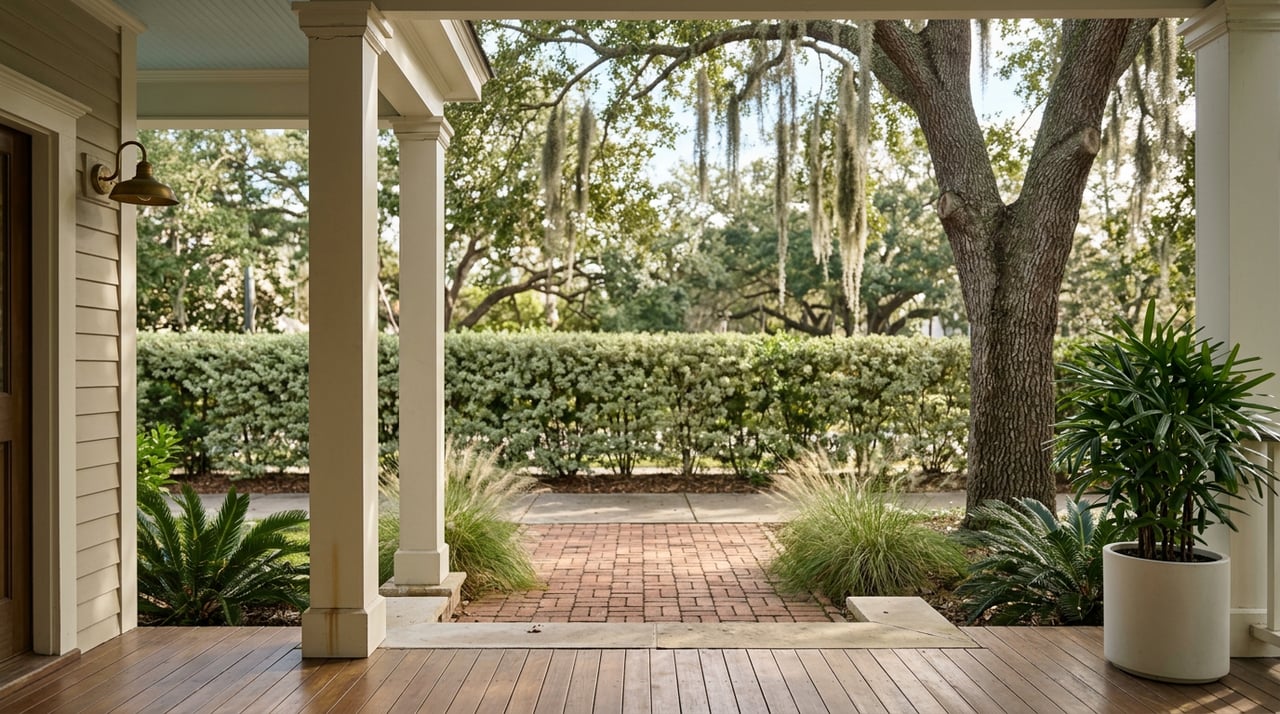
That's the version of this place that doesn't show up in a drive-by. The oaks along the canopy roads aren't just old. They're the product of a town that decided, on paper and in practice, that some things are worth a permit and a phone call before the saw comes out.
If you're weighing a property here, whether it's the tree canopy, the water access, or the small-town rhythm that comes with a two-inch rule on your own yard, The Quinn Group - Anne Warner & Sean Quinn knows this peninsula well enough to talk through the parts that don't show up in a listing photo. Talk to a local waterfront expert before you make your next move on this stretch of the Treasure Coast.
This article is general information, not legal, tax or financial advice. Consult a qualified professional about your situation.