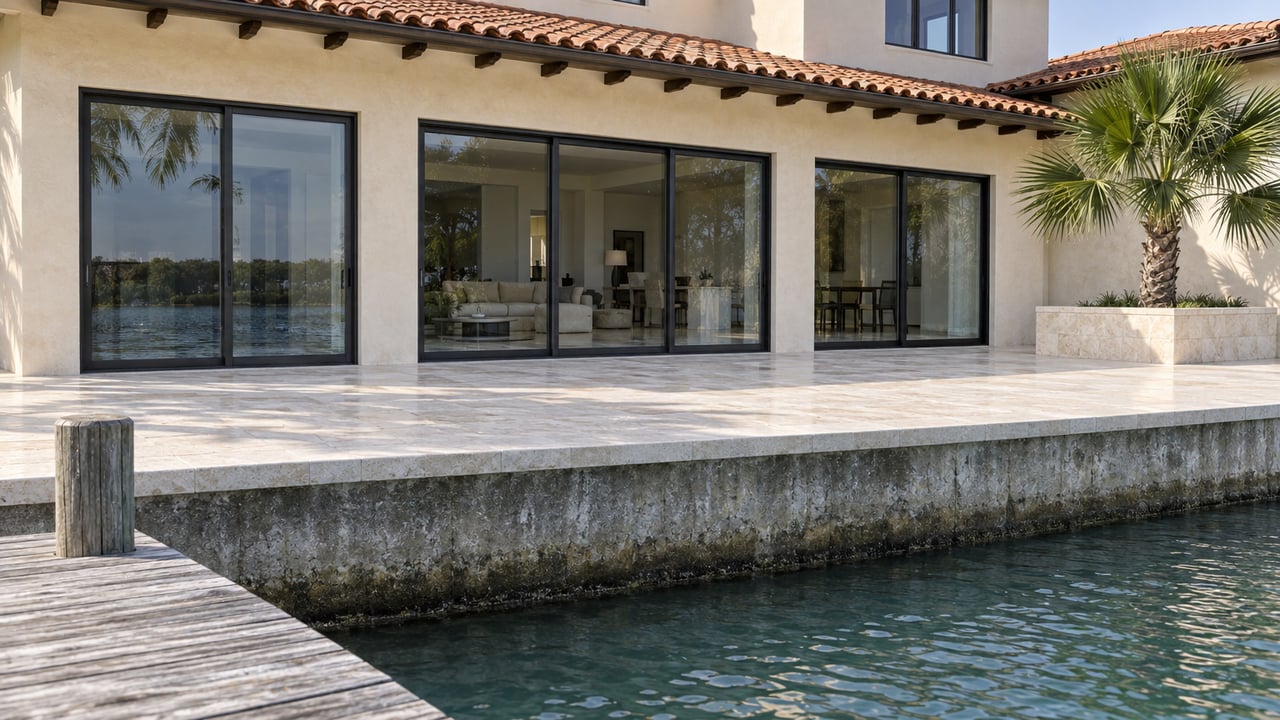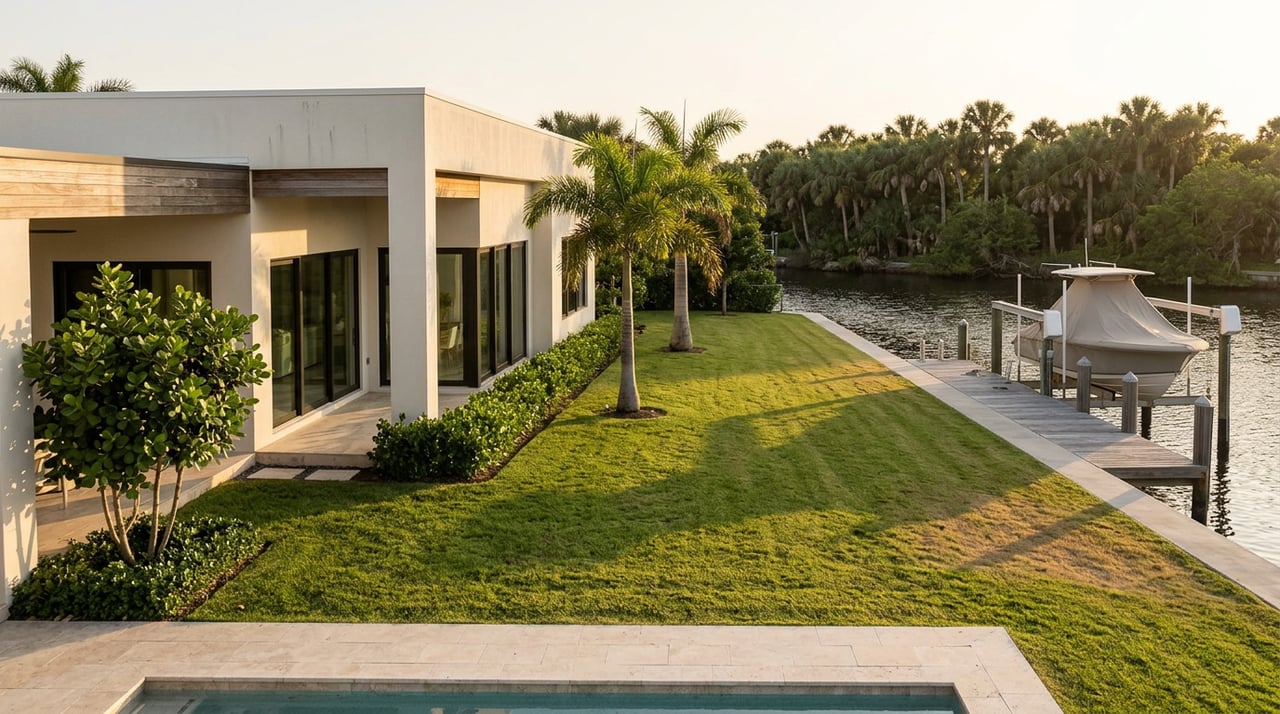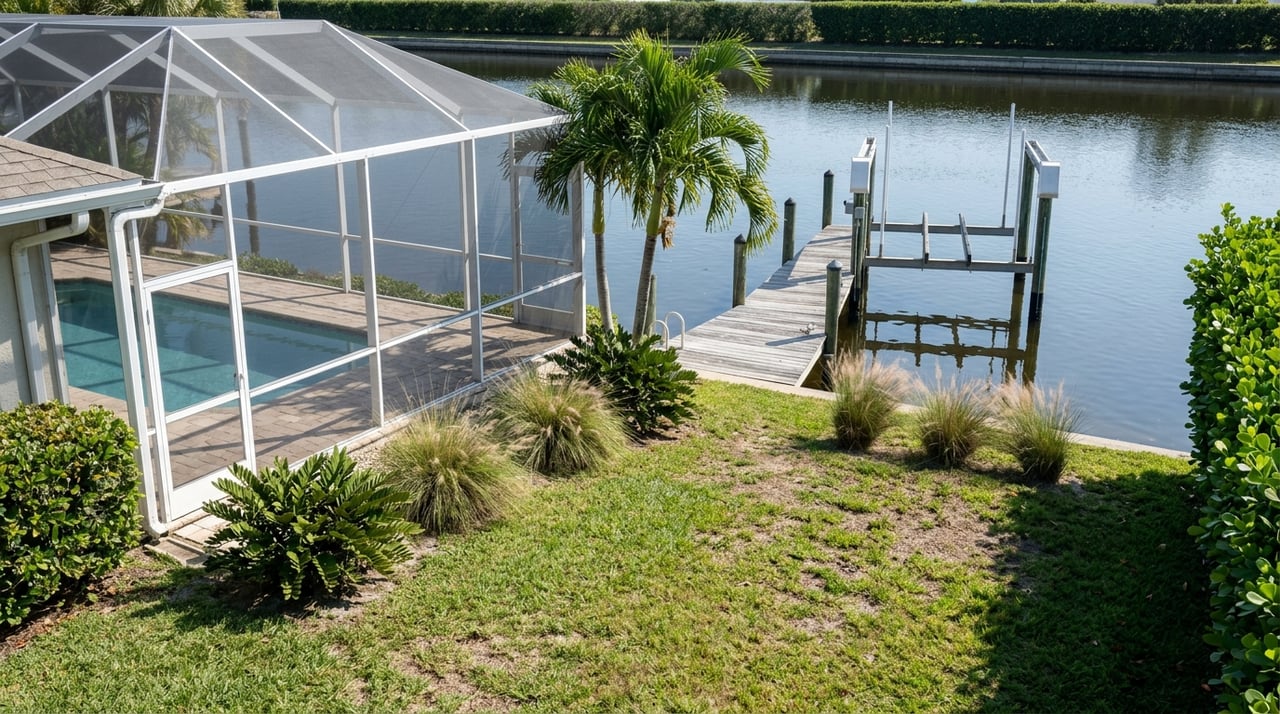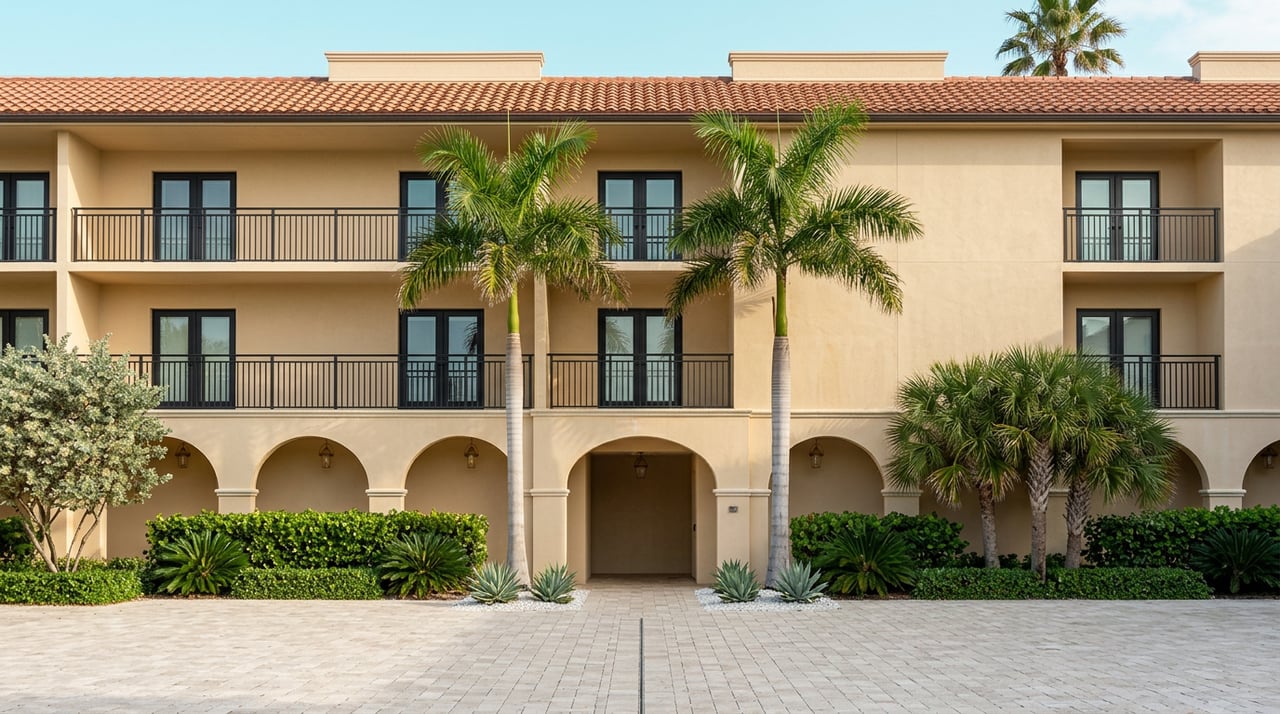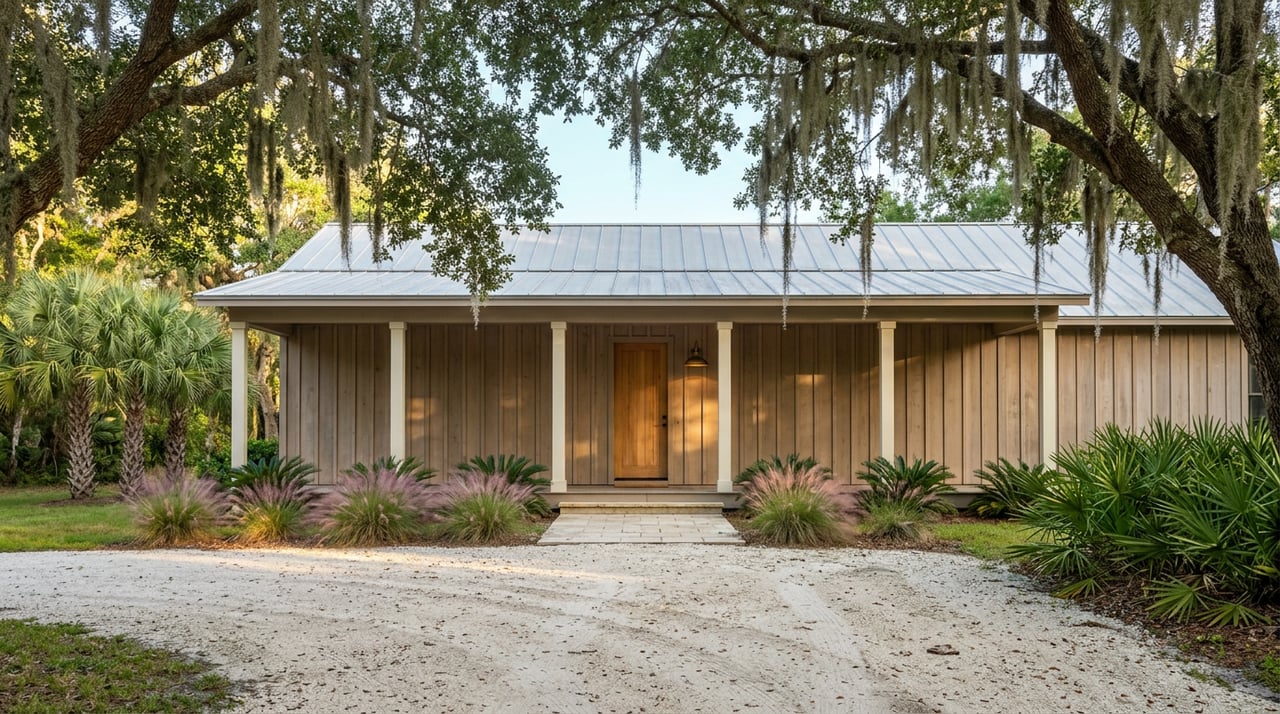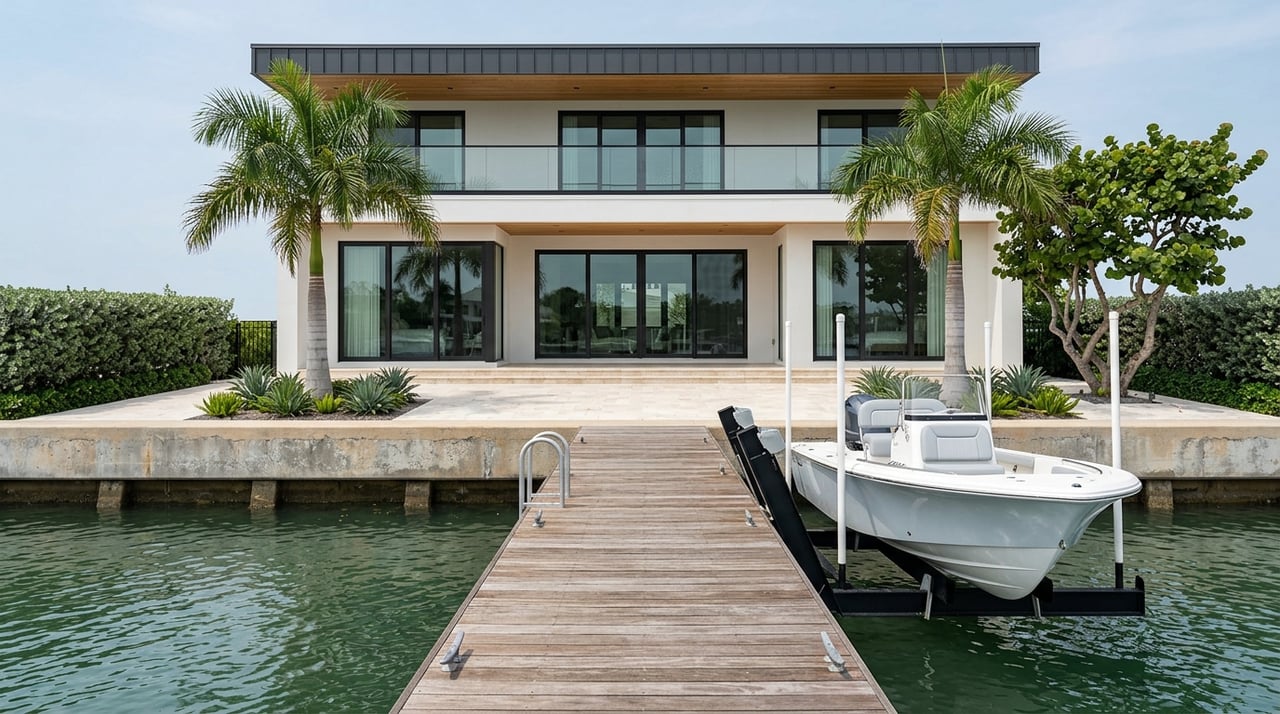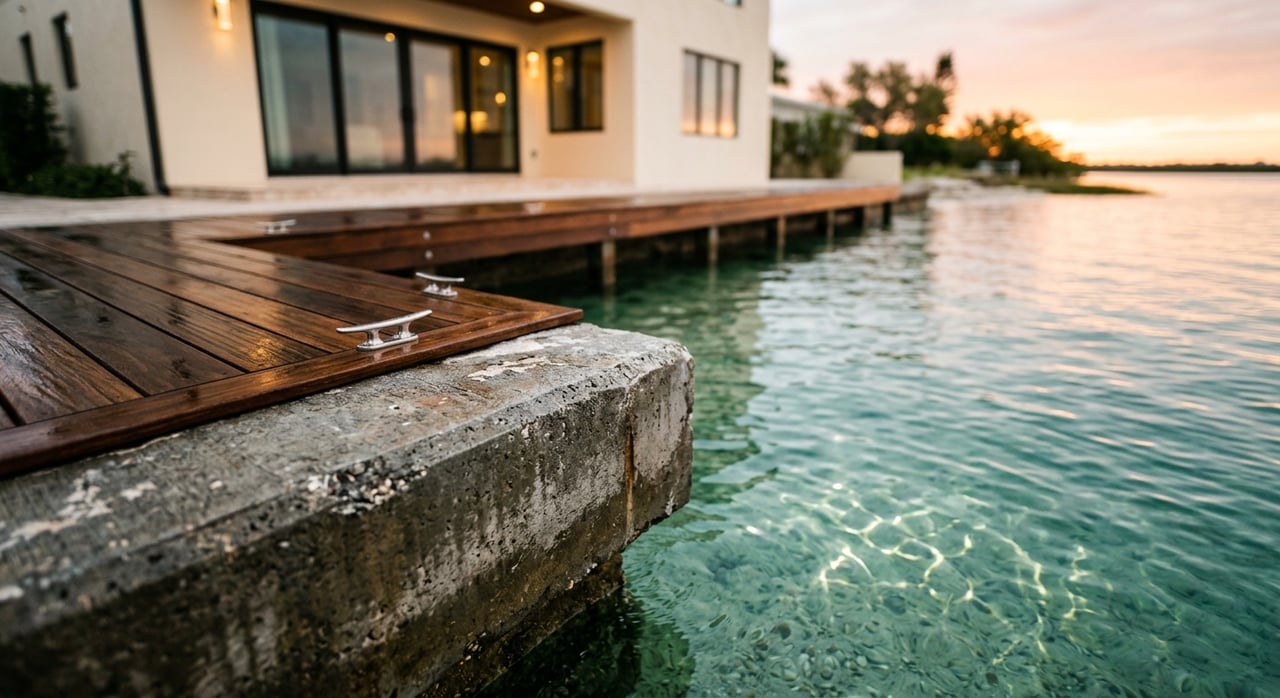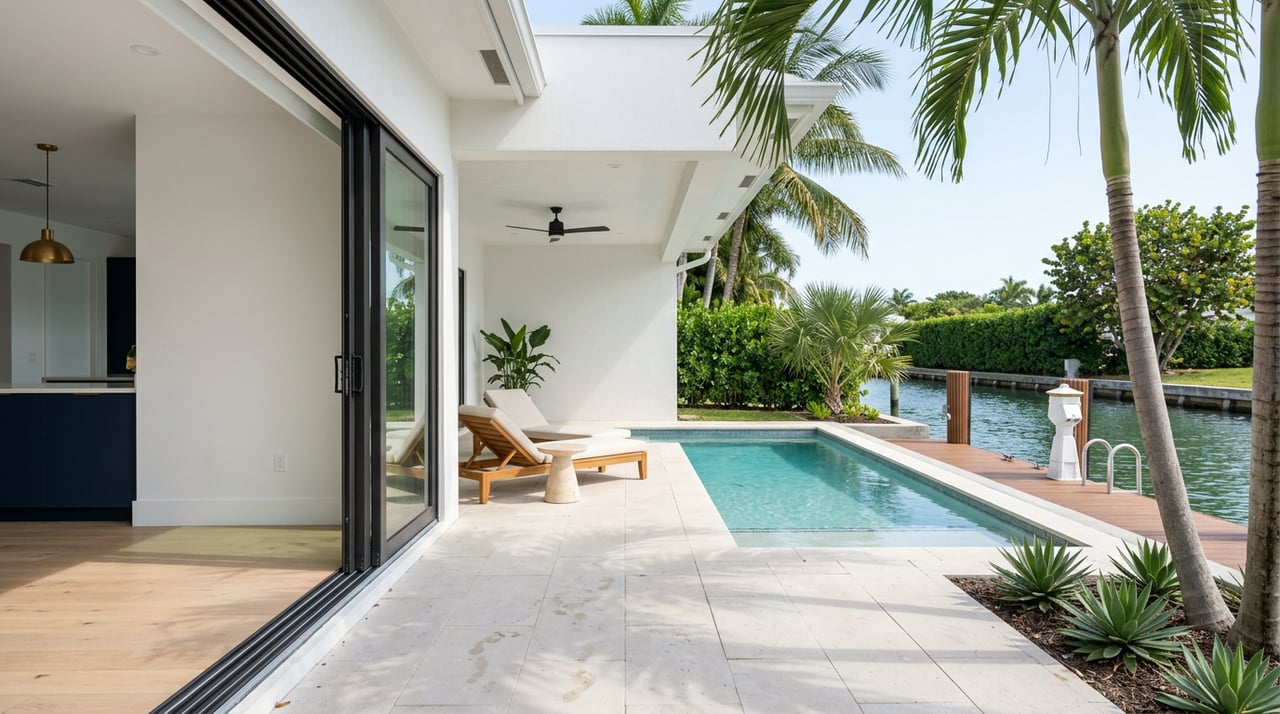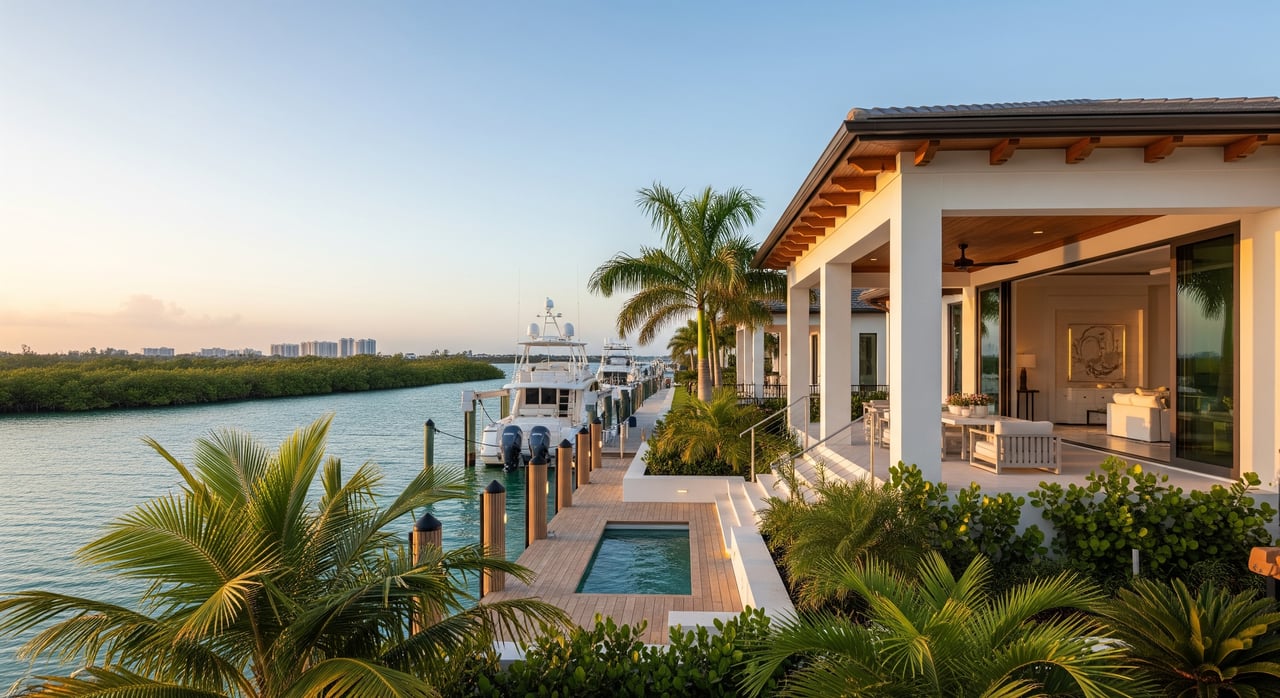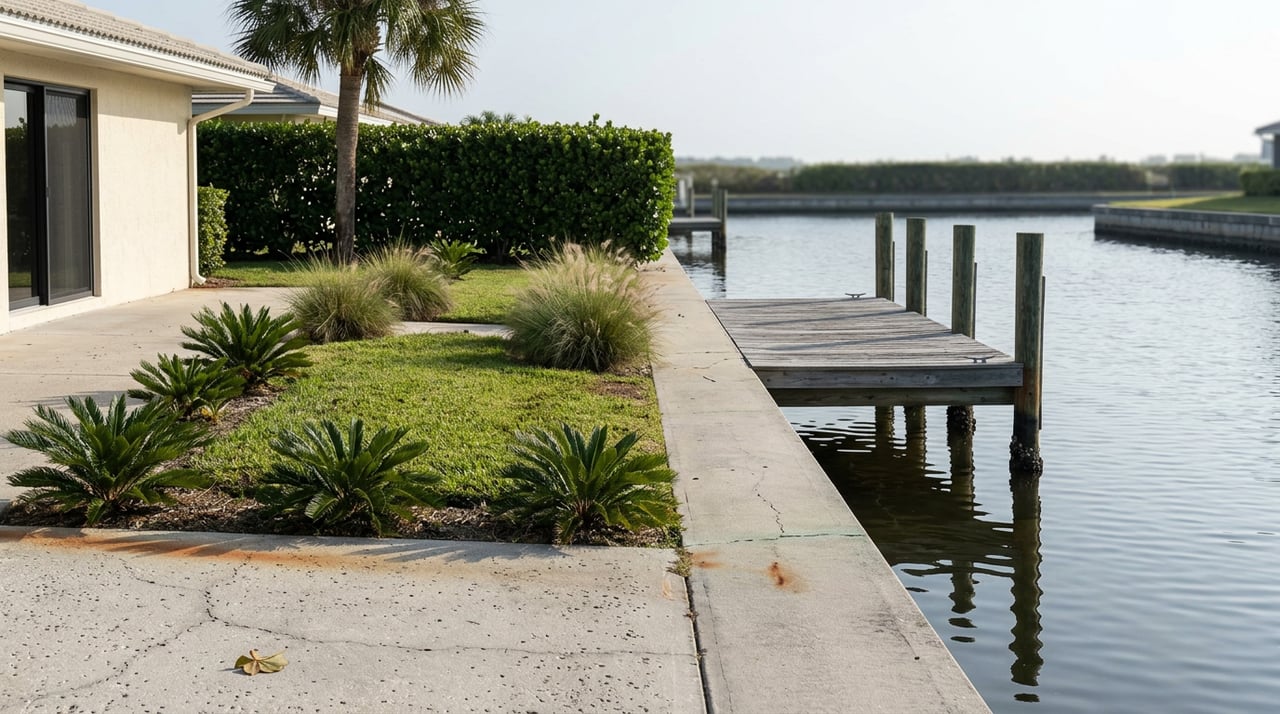
Picture a seller on one of Jensen Beach's canal streets, contract signed, buyer thrilled, closing thirty days out. On day twelve of the standard fifteen-day inspection period, the buyer's engineer calls with two separate findings that turn out to be the same problem wearing different clothes. The seawall has a cracked cap and a section of leaning panel. And the septic system, the one the seller has maintained without issue for a decade, sits two blocks from a street where the county just finished running a new sewer main.
Neither finding is a surprise to Martin County. Both are the predictable result of two programs that have been running in the background of Jensen Beach real estate for years: the county's seawall permitting rules and its Connect to Protect septic-to-sewer conversion. Sellers who treat the seawall and the septic tank as unrelated checklist items are the ones who watch a deal wobble in week two. Sellers who understand that both clocks are already running before they ever list are the ones who close on schedule.
The Fifteen Days Are Not the Real Deadline
Florida's standard AS-IS residential contract gives buyers a defined inspection window, typically fifteen days, to bring in inspectors and decide whether to move forward, renegotiate, or walk. On a canal or river lot in Jensen Beach, that window almost always includes a specialist most inland buyers never think about: a licensed engineer who inspects the seawall and dock, not just the roof and the panel box.
That inspection is not optional in practice. Waterfront lenders and title companies routinely expect it, and buyer's agents know to schedule it in the first week. A Professional Engineer inspection of a seawall typically runs $300 to $800 with a report back in 24 to 48 hours, which sounds manageable until the report comes back with findings.
Here is where the real deadline shows up. Fifteen days is not enough time to discover a failing seawall and also negotiate, permit, and complete a repair before closing. It is barely enough time to get a second opinion. Sellers who wait for the buyer's engineer to be the first person to look at the wall are negotiating from a position they created themselves.
What the Wall Actually Costs
Most of Jensen Beach's older waterfront housing stock, along the canals off South Indian River Drive and the finger canals near Rio, dates to Florida's mid-century development boom, and a lot of those original concrete and wood seawalls have already outlasted their intended service life. Age alone does not mean failure, but it does mean the odds of a clean inspection go down every year a wall goes unchecked.
The cost spread is wide enough that a seller genuinely needs to know which end of it they are on before pricing a listing:
| Scope of work | Typical cost | Typical timeline |
|---|---|---|
| PE seawall inspection | $300–$800 | 24–48 hours |
| Cap repair, tie-back reinforcement | $15,000–$40,000 | Days to a few weeks |
| Full seawall replacement | $800–$1,000 per linear foot | Weeks to months, permit-dependent |
Run that math against a typical 100-foot canal lot and a full replacement lands around $100,000. That is not a repair a buyer absorbs quietly during a fifteen-day window. It is either priced into the offer before it is written, or it becomes the reason the offer disappears.
There is also a permitting layer that catches sellers off guard. Martin County requires a permit to construct or replace a seawall, and the county's approval is contingent on the Florida Department of Environmental Protection issuing its own permit or exemption first. A seller who discovers a failing wall mid-contract is not just paying for construction. They are waiting on two separate government reviews before a contractor can legally start.
A failing seawall is a five- or six-figure problem either way. The only variable a seller controls is whether they find out about it before the sign goes up or after a buyer's engineer does.
The Second Clock: Where Your Property Sits on the Sewer Map
The seawall is the visible risk. The one buyers rarely ask about until their agent tells them to is septic status, and in parts of Jensen Beach that question has a real answer with a real timeline attached.
Martin County's Connect to Protect initiative is systematically converting septic-served neighborhoods along the St. Lucie River and Indian River Lagoon to municipal sewer, precisely because failing septic systems are a documented source of nitrogen and bacteria reaching the waterway. Rio, part of Jensen Beach's Community Redevelopment Area, was the first neighborhood to complete the county's individual grinder sewer program, with homes closest to the St. Lucie River able to begin connecting once that phase wrapped. The rule that matters for a listing: once sewer is available in a zone, the county will not issue a new septic permit if the existing system fails. A homeowner with a fine, functioning septic tank today can find themselves unable to repair that same system in kind a few years from now, because the county's map has already moved past them.
The county is not slowing down. Construction on a vacuum sewer system in Coral Gardens started in March 2026 with a completion target of October 2027, using vacuum technology chosen specifically because it handles Martin County's high groundwater table and flat terrain better than conventional gravity lines. It is the same playbook the county ran in Rio, applied to the next neighborhood on the list. For a Jensen Beach seller, the takeaway is not that septic is doomed everywhere. It is that a property's zone status has an expiration date attached to it, and that date is set by the county, not by the condition of the tank.
What This Actually Means If You Are Listing
If you own waterfront property in Jensen Beach and you are thinking about listing this year, the order of operations matters more than the price you put on the sign.
- Get a PE seawall inspection before you list, not after you get an offer. A $300 to $800 report now is cheaper than losing a buyer in week two of contract.
- Check whether your septic system sits in a zone the county has already targeted for conversion, or one it is likely to target next. Rio's timeline shows how this moves from announcement to construction to mandatory connection over a matter of years, not decades.
- Price the listing with the seawall's actual condition in mind, not its assumed condition. A wall with a clean PE report supports a straightforward negotiation. A wall you have not looked at yet supports a buyer's opening offer, not yours.
- If a repair is warranted, start the Martin County and DEP permit conversation early. Waiting until you are under contract means the fifteen-day clock and the permitting clock are running at the same time, and the permitting clock always wins.
None of this is about scaring a seller out of the market. Jensen Beach waterfront still commands real interest, from the canal cottages off South Indian River Drive to the wide-water lots along the Indian River Lagoon. The sellers who do well are the ones who answer the seawall and septic questions on their own terms, before a buyer's inspector answers them on the buyer's.
A Short FAQ
How often should a Jensen Beach seawall be inspected, even outside of a sale? Most residential seawalls in Florida's saltwater environments hold up to inspection every one to two years, with annual checks recommended for walls that face heavy boat traffic or have already had repairs. A wall approaching or past its original design life warrants a look regardless of whether a sale is on the horizon.
Does a seller have to disclose a known seawall or septic issue? Florida law requires sellers to disclose known material defects that affect a property's value and are not readily observable by a buyer. A seawall crack below the waterline or a septic system already flagged for a sewer conversion falls squarely into that category, which is one more reason to know the answer before a buyer's inspector finds it first.
If you are weighing whether now is the right time to list a canal or river-front home in Jensen Beach, or you want a clear read on where your property sits on the county's seawall and sewer timelines before you price it, My Florida Insider can walk through the specifics with you. Talk to a local waterfront expert before you put a sign in the yard, not after a buyer's engineer calls on day twelve.