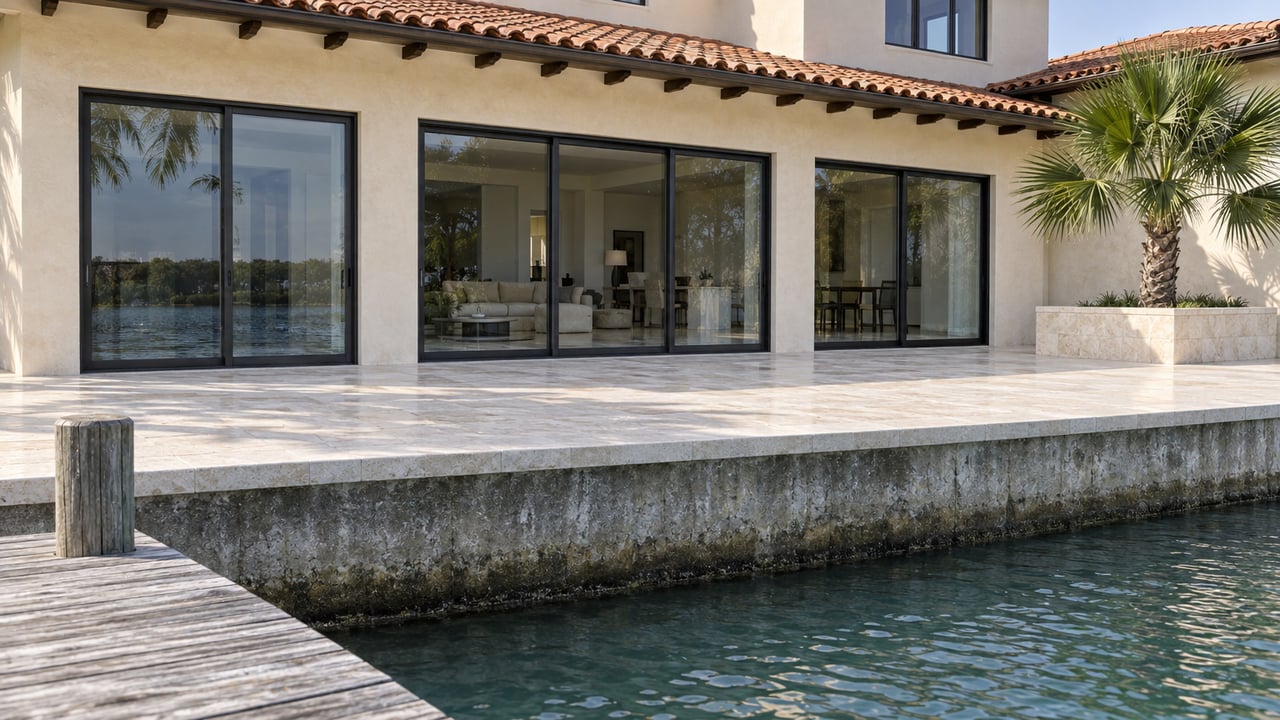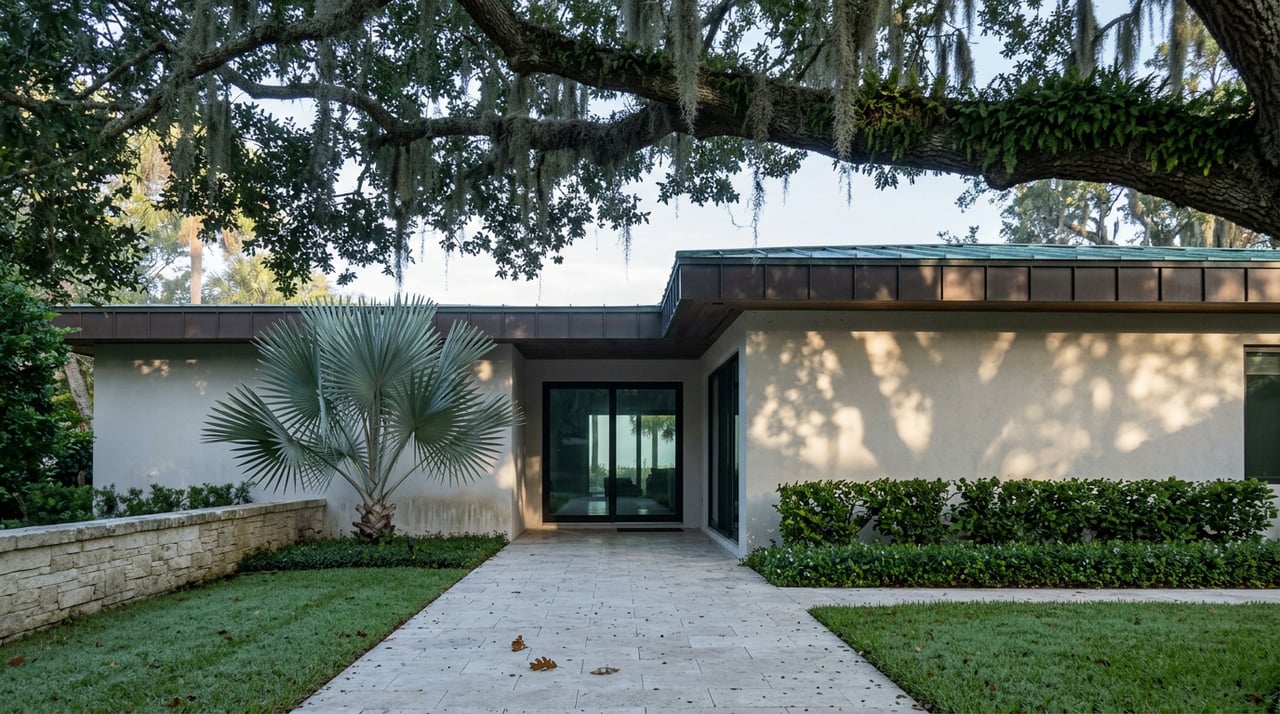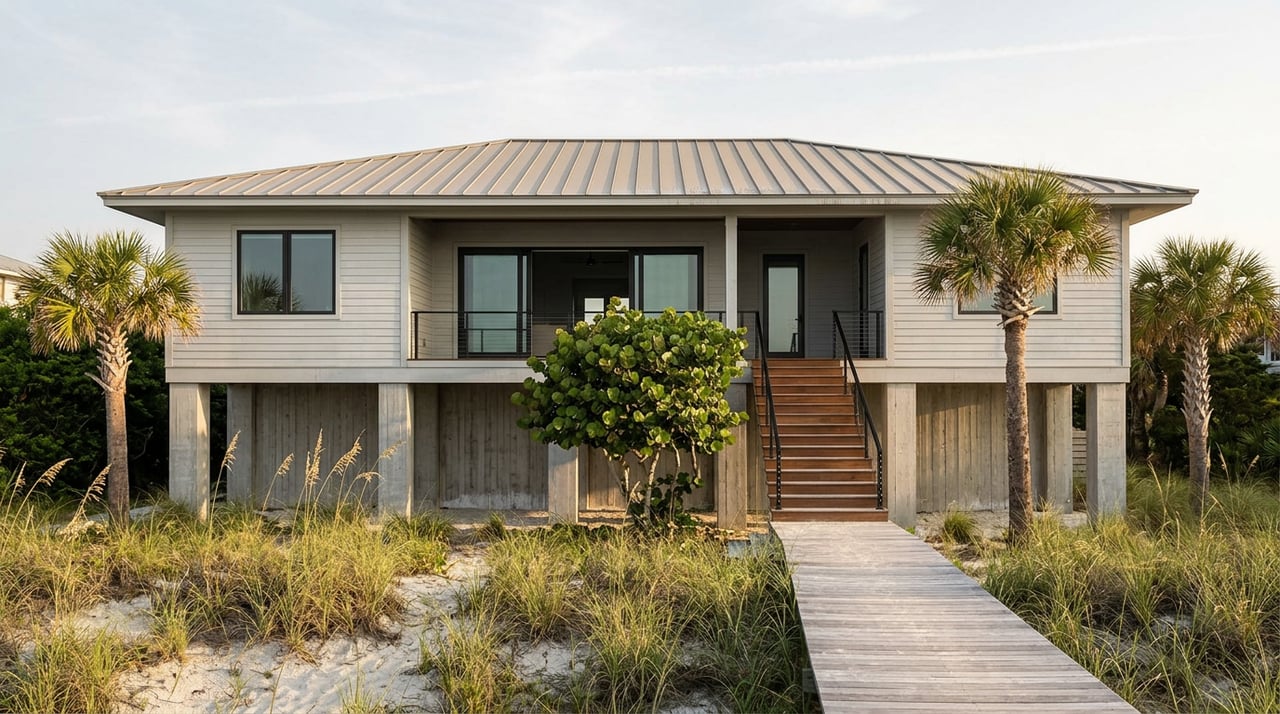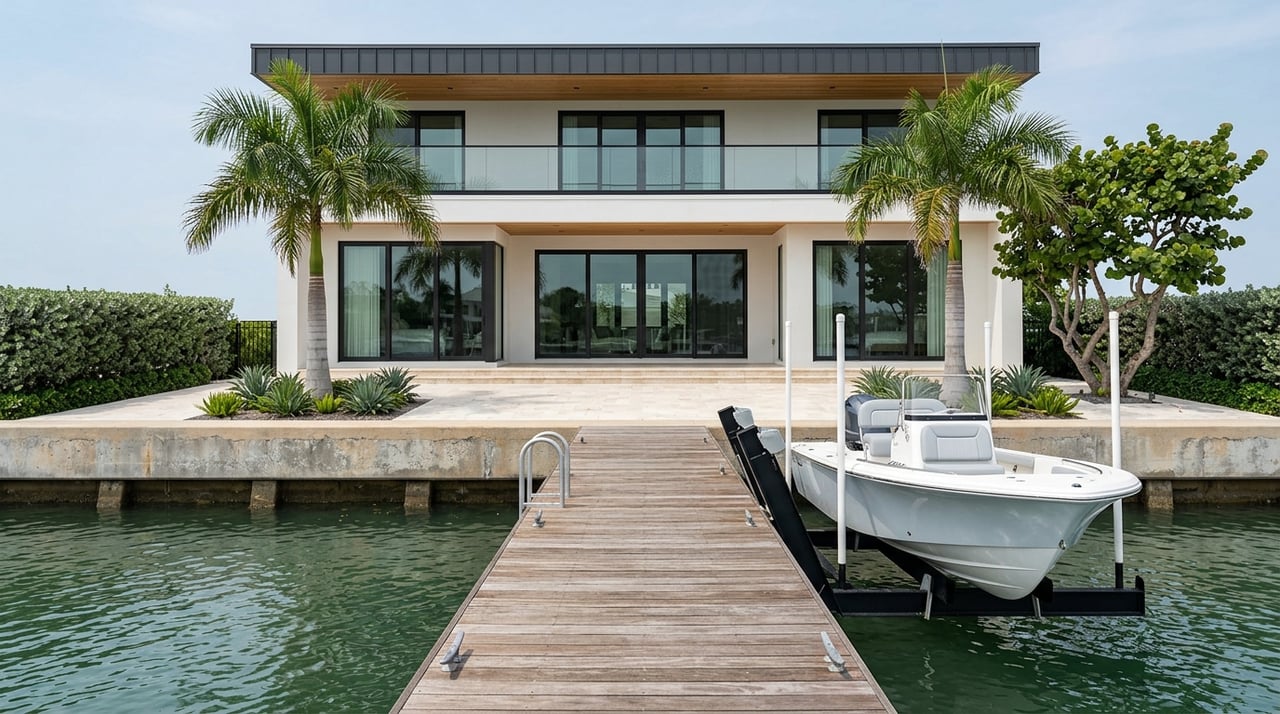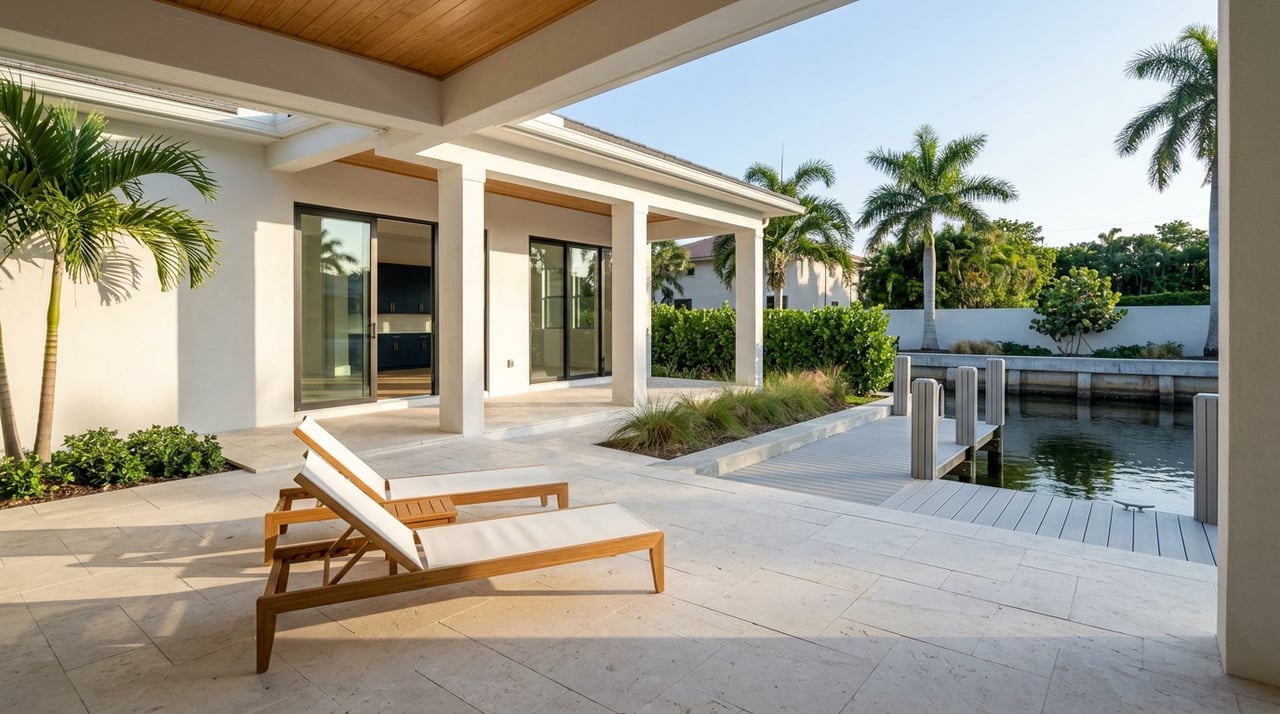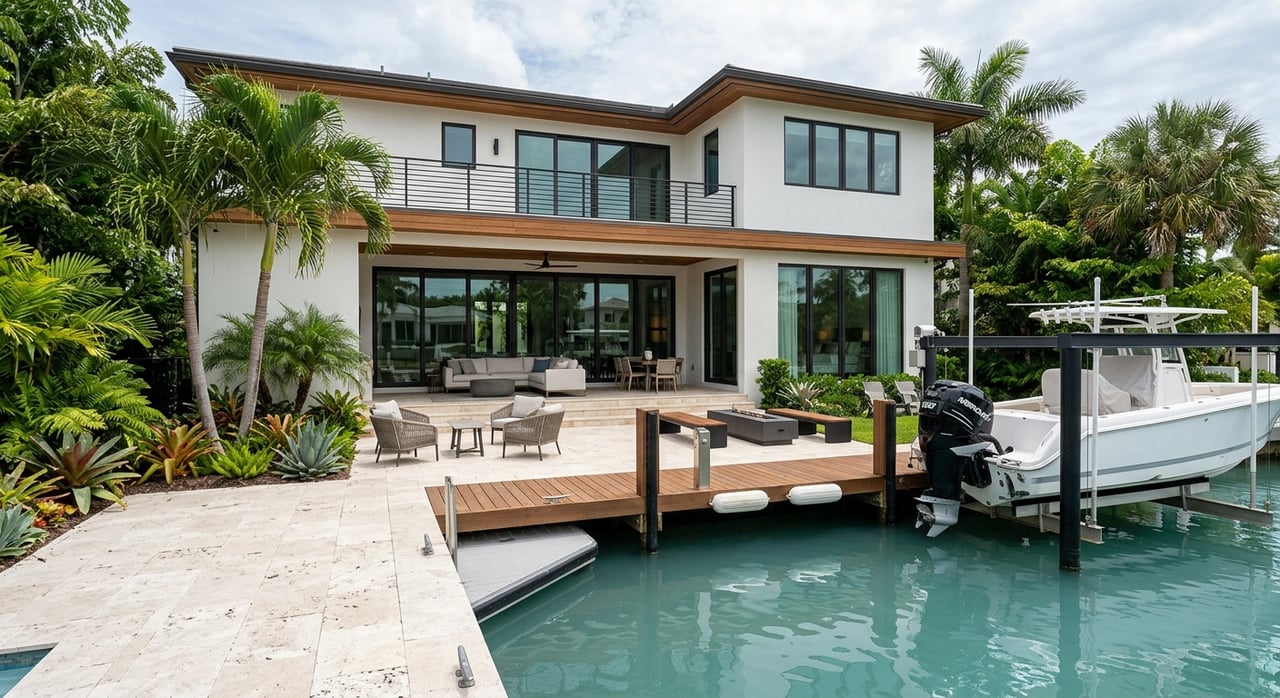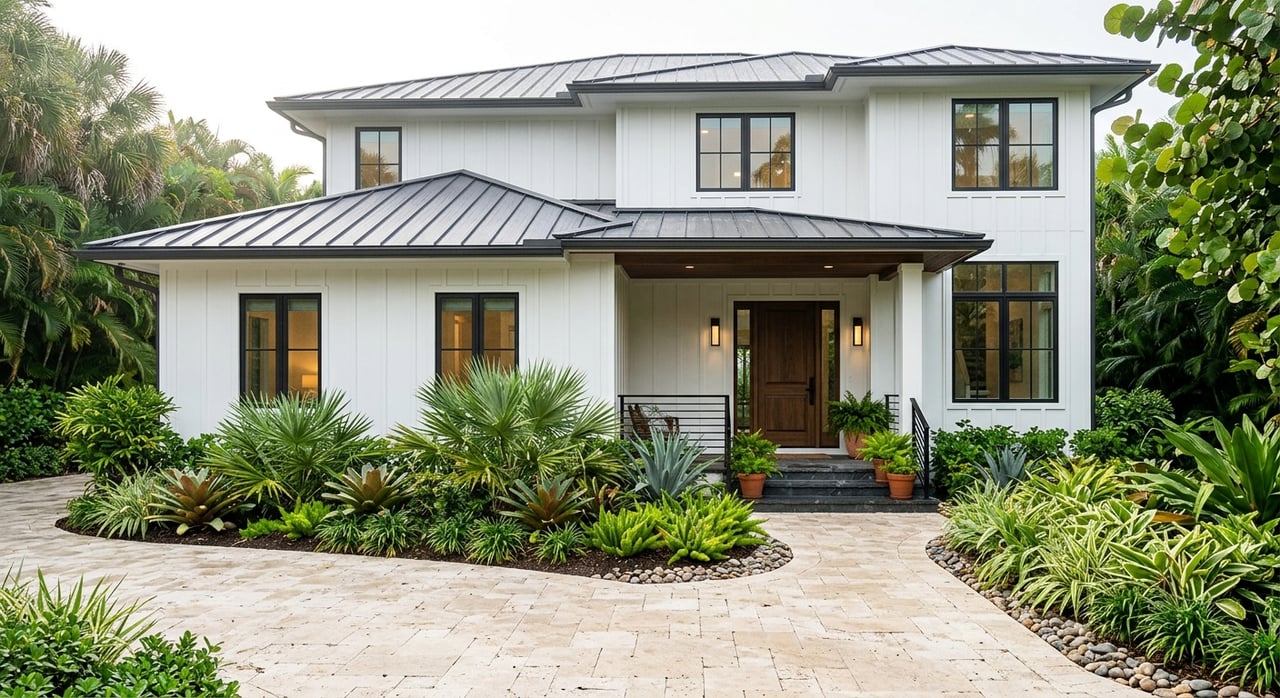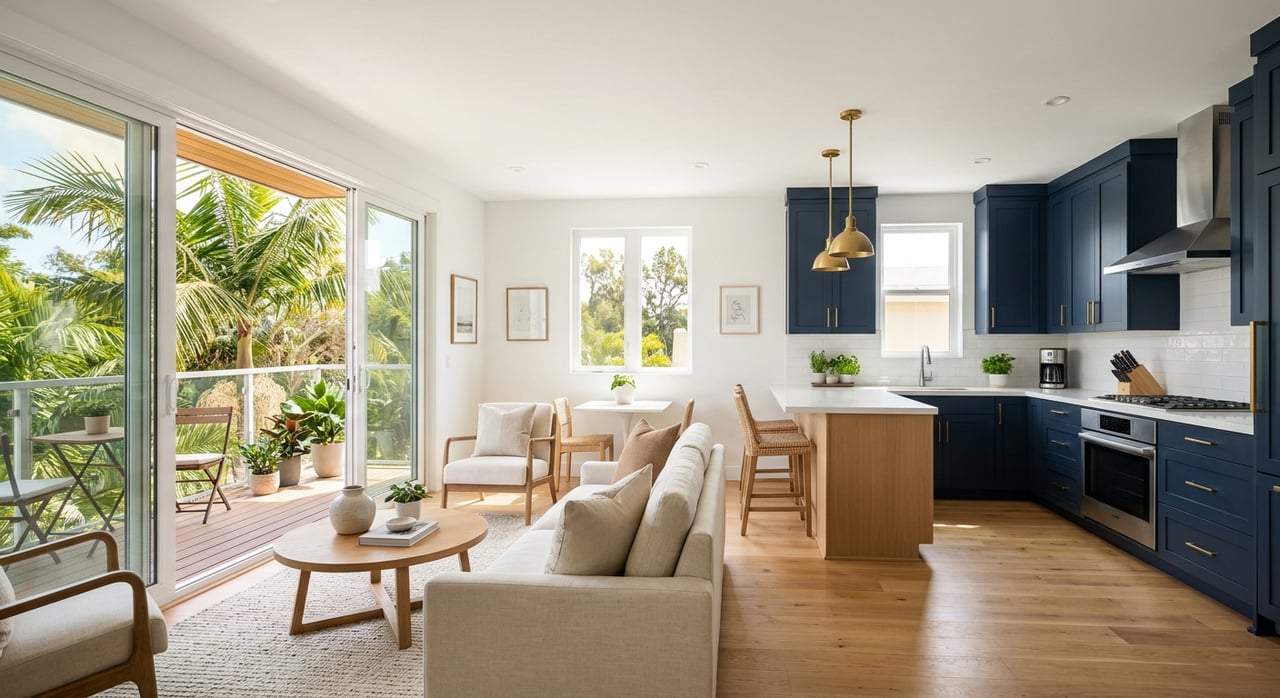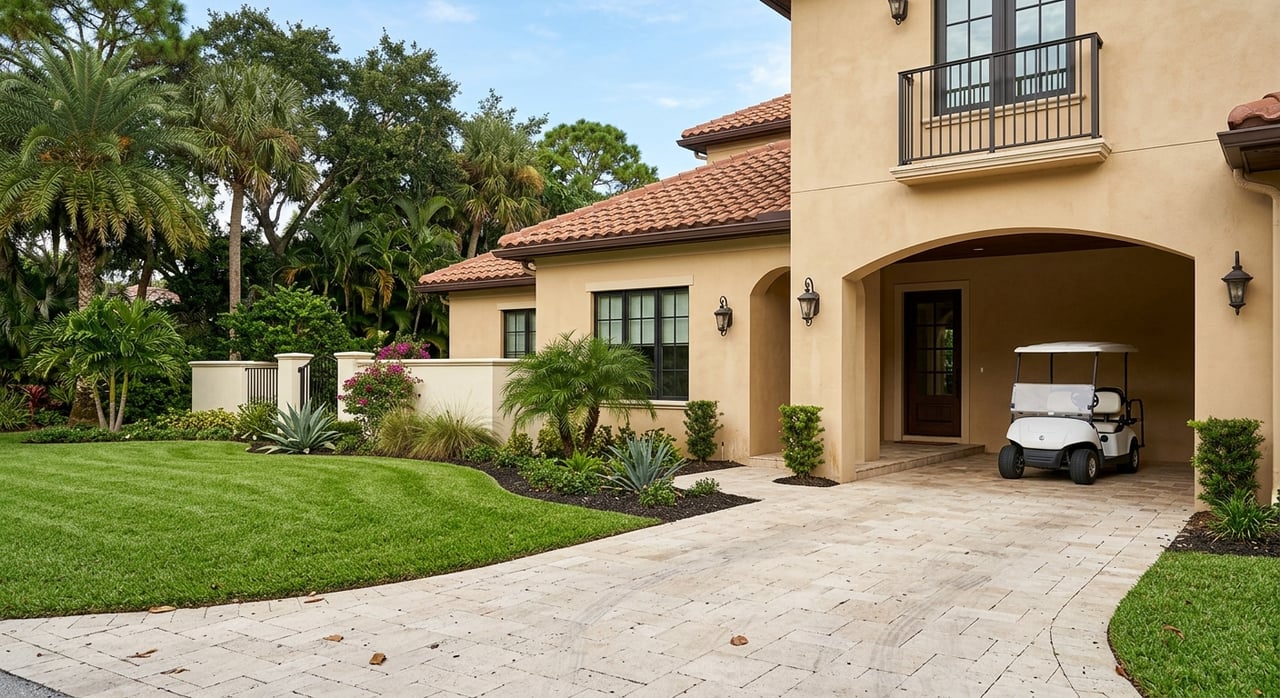
Ever picture stepping from your backyard onto a boat and being on the water in minutes? If you’re shopping waterfront in Stuart, you have choices, and each one changes how you boat, what you maintain, and what you pay. It can feel like alphabet soup at first, with river, canal, and inlet options plus bridge and depth questions. This guide breaks it down so you can match the right property to your boating goals, lifestyle, and budget. Let’s dive in.
Stuart waterfront options at a glance
Inlet and ocean access
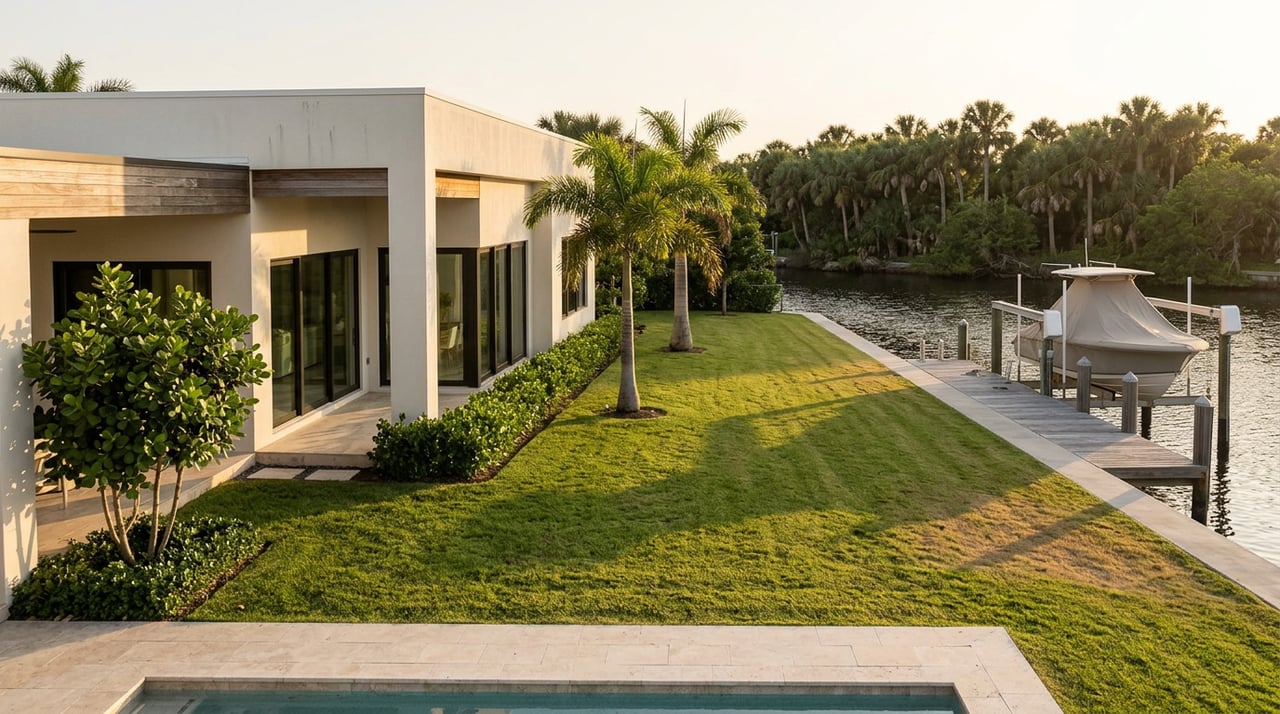
If reaching the Atlantic fast is your priority, look for homes near the St. Lucie Inlet with direct or “no-bridges” routes. You’ll trade some exposure to salt spray and waves for quick offshore runs and typically deeper water at the dock. These properties often sit at the top of the market because access is simple and time to open water is short.
River and Intracoastal
Riverfront along the St. Lucie River and Indian River Lagoon offers great ICW cruising and inshore fishing with more protection than the open ocean. You may have bridges or drawbridges on your route, so you’ll want to confirm bridge types and clearances. Many buyers choose riverfront for a balance of views, calmer conditions, and flexible boating.
Canal-front and creeks
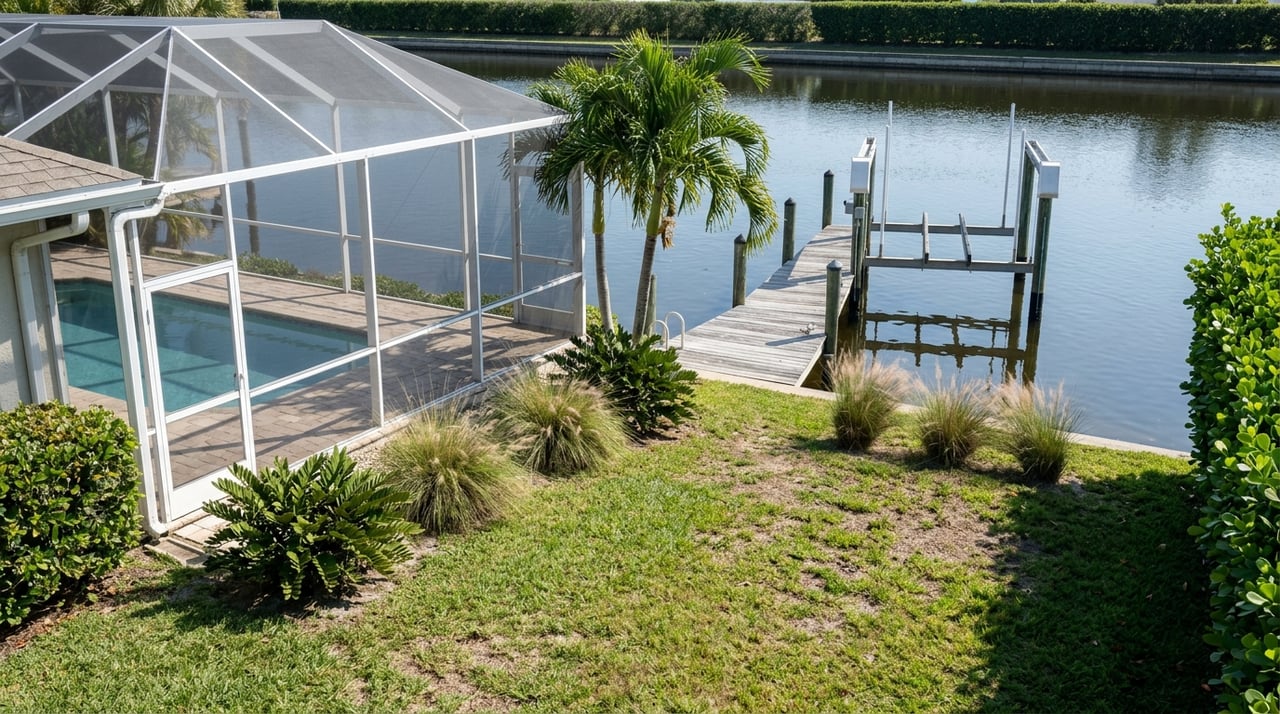
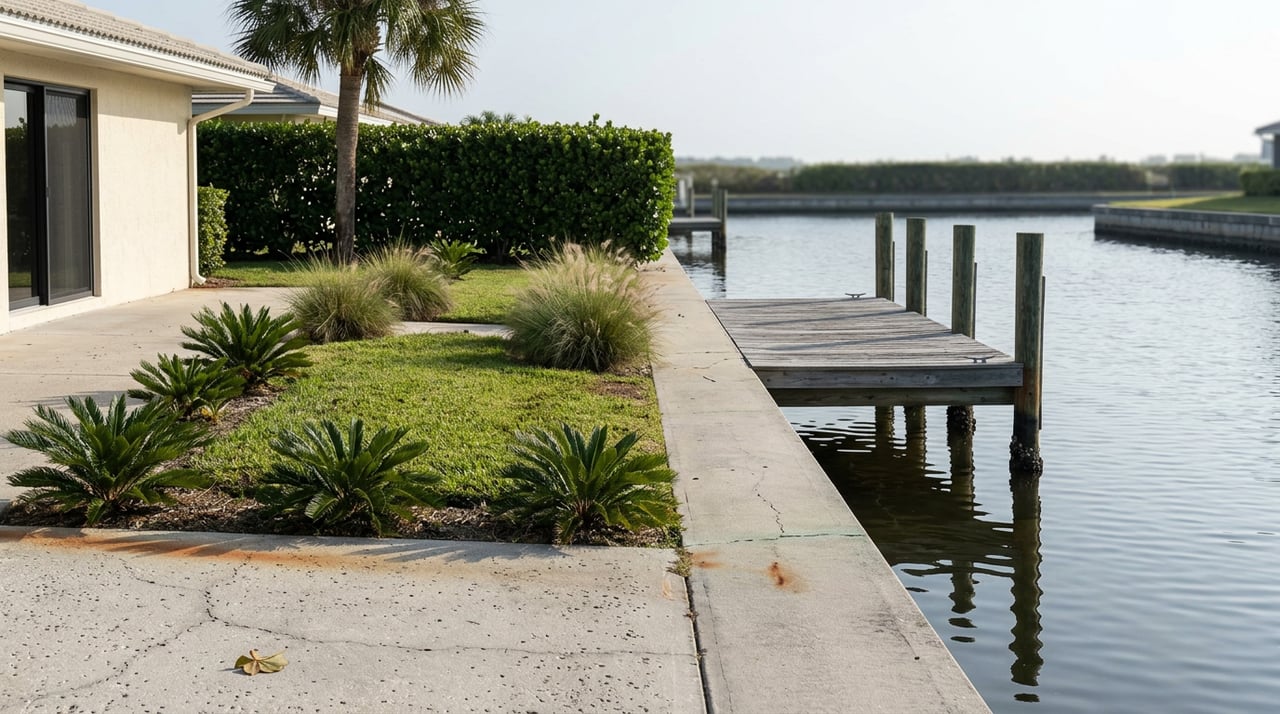
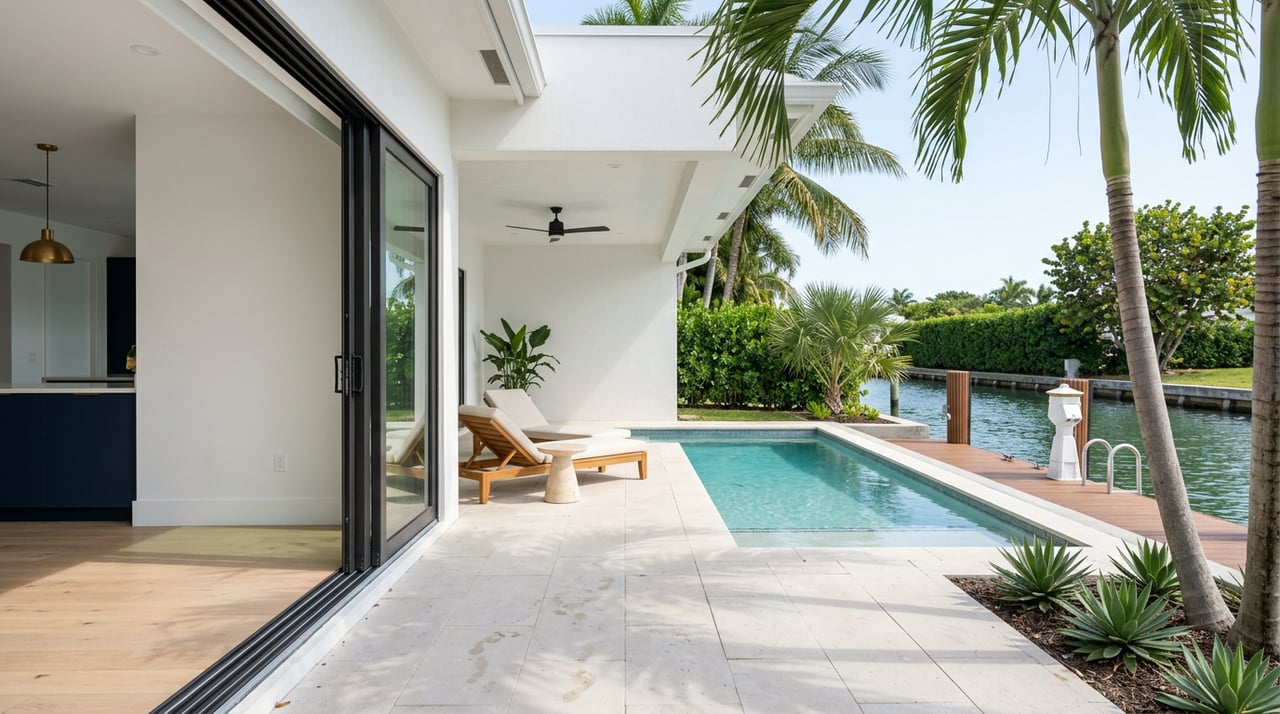
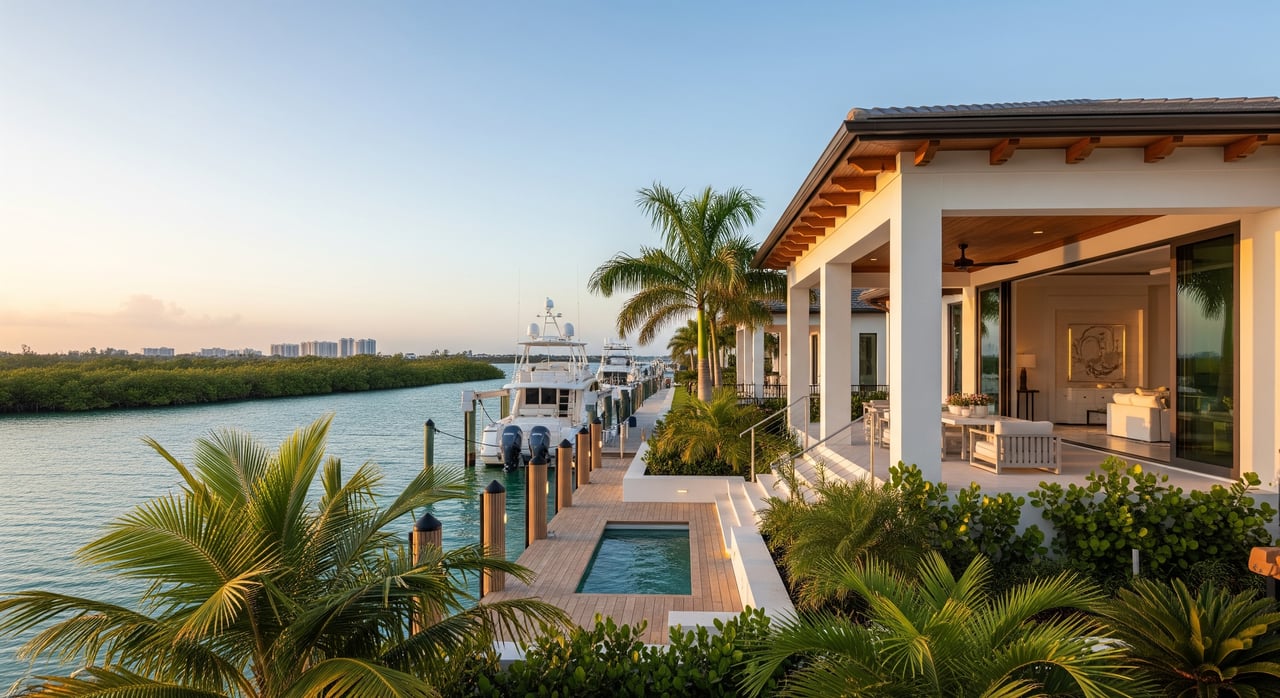
Canal neighborhoods give you calm water, privacy, and easy days on smaller boats, kayaks, and paddleboards. Canals are often shallower and narrower than the river, so large vessels may face depth or maneuvering limits. If you own or plan to own a bigger boat, ask about dredging history and dock depth at low tide.
Community slips and marinas
Some communities include shared marinas, offering a waterfront lifestyle without owning a private dock. This can be a smart pick if a lot is shallow or you prefer lower upkeep. It also opens options in areas where private dock permitting is limited.
Market signals and value tiers
In Stuart, value tends to follow access and depth. Properties with ocean or inlet access and deep water typically command the highest prices. Riverfront often follows, with premiums influenced by view, dockage quality, and the number of bridges to the inlet. Canal-front usually offers a lower entry point compared with inlet and prime riverfront, while still delivering the waterfront lifestyle.
Several features drive the premium you pay:
- Direct route to the inlet and whether there are fixed bridges.
- Depth at the dock and in the connecting channel.
- Private dock versus community marina access.
- Lot frontage on the water and the quality of the view.
- Condition and permitting of seawalls, docks, and pilings.
Inventory can be tight. Waterfront listings are a smaller slice of the market and often show more activity in late fall through spring when seasonal buyers arrive. Deep-water and oceanfront estates may stay on the market longer because they are rarer and higher priced. Canal-front homes, especially those suited for smaller boats, often turn faster. Ask your agent for current MLS medians, price per foot of water frontage, months of supply, and recent comparable sales by waterfront type before you offer.
Boating access checklist
Use this quick list to test whether a property fits your boat and routes:
Route to open water
- Map the run from the dock to your target waters. If you fish offshore, measure time to the St. Lucie Inlet. If you cruise the ICW, plan north-south routes and fuel stops.
Bridges and air draft
- Identify every bridge you must pass. Note fixed versus drawbridge. Confirm vertical clearance at mean high water and ask owners for real-world experience. If you have a tall boat or sailing rig, this is critical.
Depth at the dock and channel
- Verify depth at mean low water and mean high water. The tidal range is modest here, but larger drafts still feel the difference. Ask sellers for recent soundings or a professional survey if available.
Dock and seawall condition
- Request inspection reports on docks, pilings, lifts, and seawalls. Age, material, and exposure to wakes and wind impact life expectancy and cost.
Permits and history
- Confirm permits for docks, lifts, seawalls, and any prior dredging. Ask about permit transfer, as-built drawings, and recorded maintenance.
Slip and maneuvering limits
- Check workable length, beam, and draft. Narrow canals and tight fairways can limit larger boats even when depth is adequate.
Services and hurricane planning
- Locate nearby marinas for fuel, haul-out, yard work, and pump-out. Ask about hurricane haul-out protocols and trailer evacuation routes. Confirm FEMA flood zone, elevation, and flood insurance requirements.
Align property with your boat
Day boating and paddlesports
If your plan is family sandbar days, light fishing, and paddleboarding, protected canal-front or tucked riverfront can be ideal. You’ll enjoy calm water, easy storage for smaller craft, and typically simpler upkeep.
ICW cruising and inshore fishing
If you cruise the Intracoastal regularly, look for riverfront with moderate depth and a reliable route. A drawbridge on your path can be fine when schedules are predictable. Prioritize depth in the channel and at the dock.
Offshore runs and big boats
If you run offshore often or own a larger sportfish or yacht, focus on inlet-adjacent or deep-water riverfront with no fixed bridges on your route. Confirm usable dock depth at low tide, piling condition, and adequate turning room. Close proximity to marinas with fuel and service is a plus.
Sailing and mast clearance
Sailboats need special attention to air draft. Avoid low fixed bridges and verify drawbridge operations on your route. Riverfront or inlet-area docks with sufficient clearance offer the most flexibility for masted vessels.
Lifestyle tradeoffs to weigh
Every waterfront type brings a different day-to-day feel. Consider these tradeoffs as you shop:
Protection versus access
- Canals and inner riverfront are calmer and more private but can add time and bridges to your run. Inlet areas get you offshore fast but are more exposed to wind and wakes.
Maintenance and long-term cost
- Inlet and deep-water properties often have higher purchase prices and upkeep. Hardware, seawalls, and dock components may weather faster in exposed locations. These homes can also attract stronger resale interest.
Noise and traffic
- Areas near marinas, public ramps, or the inlet can have more boat traffic and wake activity. Canals and tucked river coves tend to be quieter.
Insurance and risk
- Flood zones, elevation, and shoreline exposure vary. Inlet-adjacent and beachfront locations can carry higher storm risk and insurance premiums.
Rental potential and rules
- Proximity to downtown Stuart, marinas, and the inlet can draw renters, but local zoning and HOA rules may limit rentals. Always review community policies before you buy.
Utilities and systems
- Ask whether the home is on sewer or septic. Waterfront septic systems may have special rules and maintenance requirements.
Costs and maintenance basics
Plan for the ongoing care that keeps your waterfront safe and usable:
Seawalls and shoreline
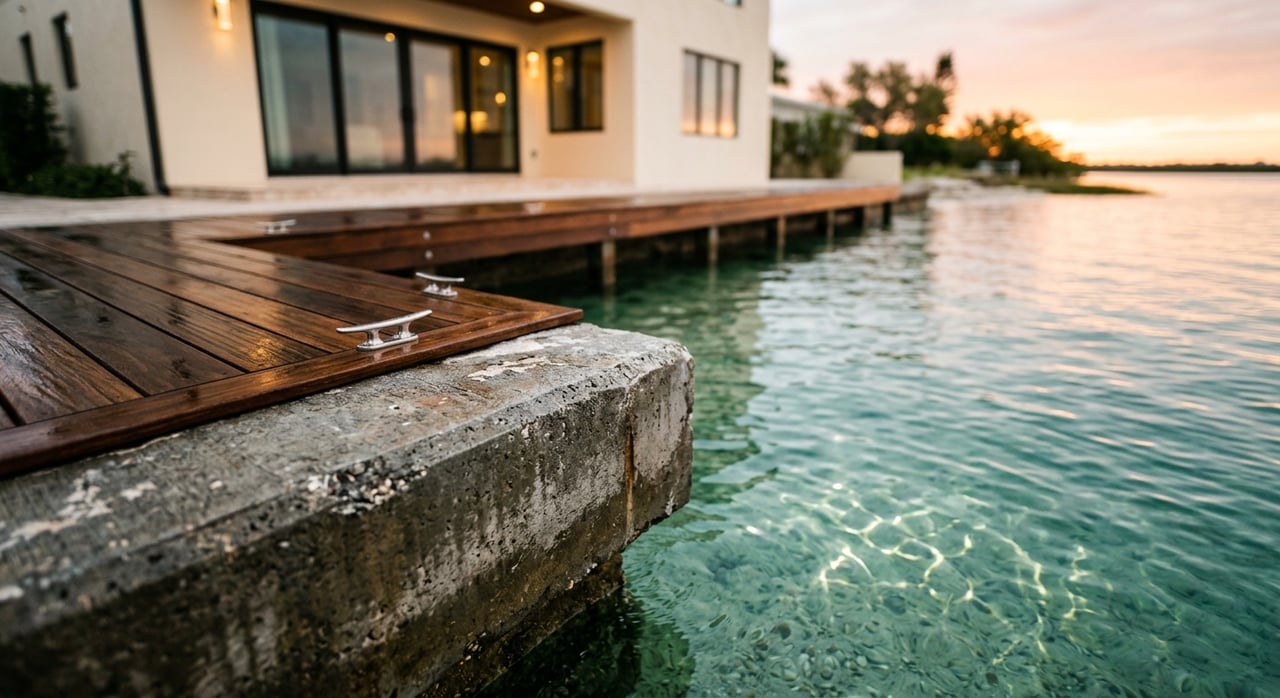
- Materials, age, and exposure determine lifespan and cost. Budget for inspections, patching, cap work, or full replacement over time.
Docks, pilings, and lifts
- Pilings can need replacement or sistering. Decking, hardware, and lifts wear faster in exposed, high-salinity areas. A recent inspection gives you a baseline.
Insurance
- Coastal properties often require both wind and flood coverage. Premiums vary by construction, elevation, and flood zone. Ask for recent quotes on comparable homes as part of your offer planning.
Community and marina fees
- If you use a community slip or nearby marina, factor in slip rent, lift fees, and any assessments for dredging or seawall work.
Smart next steps
Set yourself up for a confident purchase with a simple plan:
Define your boating profile
- Boat size, draft, bridge clearance, typical routes, and how often you go offshore versus ICW cruising.
Get a targeted MLS search
- Ask for separate shortlists for inlet, river, and canal options so you can compare access, views, and price tiers side by side.
Verify access details
- Identify every bridge on your path, confirm clearance at mean high water, and gather any drawbridge schedules relevant to your route.
Confirm depths
- Request recent dock and channel soundings, or plan a professional survey tied to mean low water.
Pull permits and records
- Collect dock, lift, seawall, and any dredging permits, plus as-built drawings and recorded maintenance.
Inspect the waterfront
- Hire a marine surveyor for docks and lifts, and a coastal contractor or engineer for seawalls. Use their reports to plan near-term and long-term costs.
Check flood and insurance
- Review FEMA flood maps, property elevation, and recent wind and flood insurance quotes for similar homes.
Map services and hurricane plan
- Identify nearby marinas with fuel, haul-out, and yard work, and confirm hurricane protocols for your boat.
When you’re ready to compare specific properties, lean on a local, second-generation team that knows the tides, bridges, and neighborhoods. If you want a custom shortlist aligned to your boat and your lifestyle, let’s talk. Reach out to The Quinn Group - Anne Warner & Sean Quinn to start your waterfront search with confidence.
FAQs
What does “no-bridges” access mean in Stuart?
- It means your route from dock to the St. Lucie Inlet does not pass under any fixed bridges, which is important for tall boats and for quick, flexible ocean access.
How deep should my dock be for my boat in Stuart?
- You want usable depth at mean low water that exceeds your draft with a safety margin; confirm with recent soundings or a professional survey before you offer.
Are canal homes good for larger yachts in Stuart?
- Many canals are shallower and narrower, so larger yachts may face depth or maneuvering limits; feasibility depends on specific canal depth and any dredging history.
When is the best time to shop waterfront homes in Stuart?
- You will often see more listings and buyer activity from late fall through spring; plan ahead and watch the MLS for fresh options during that period.
What inspections should I order for a Stuart waterfront home?
- Hire a marine surveyor for docks and lifts, a coastal contractor or engineer for seawalls, and ensure a title review for riparian rights and recorded permits along with a current boundary survey.