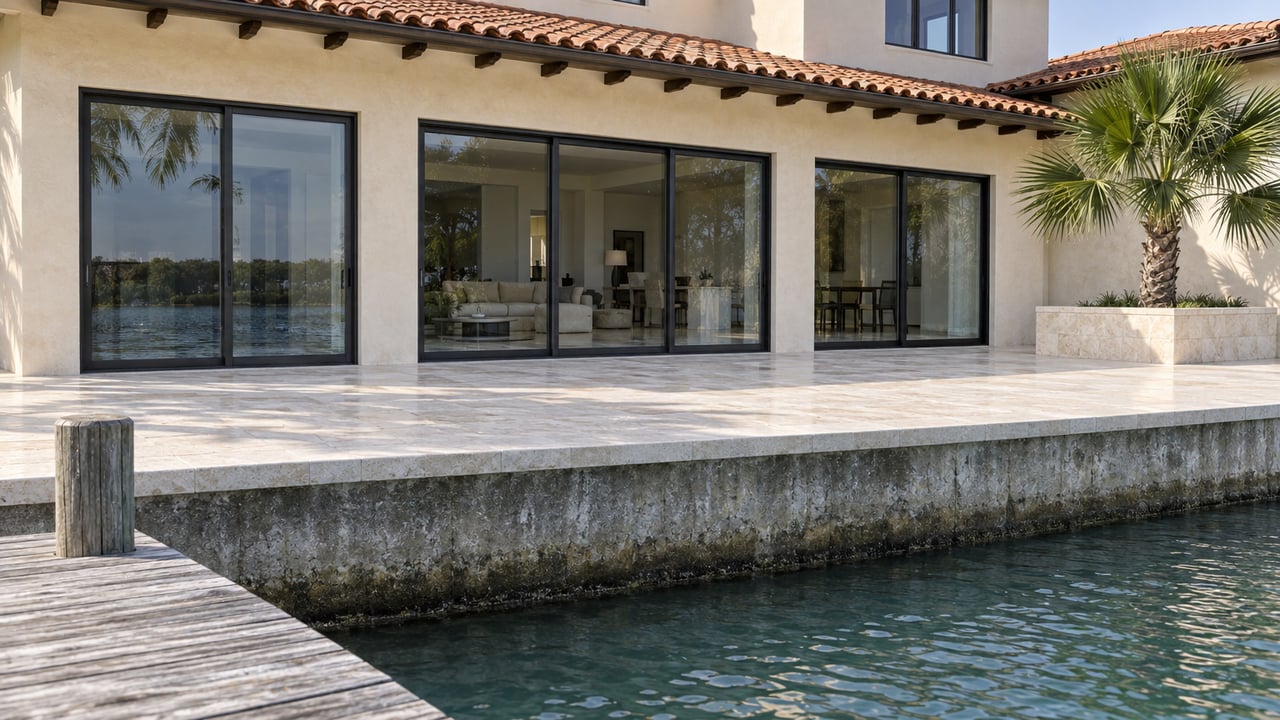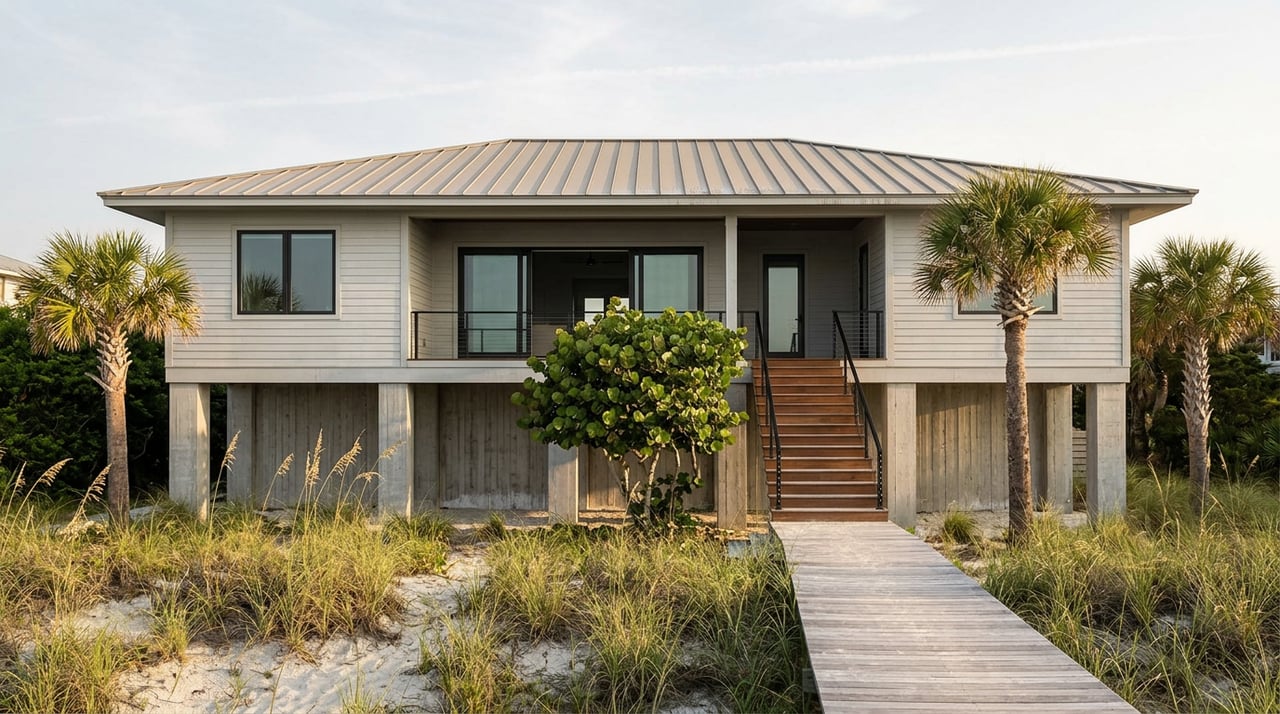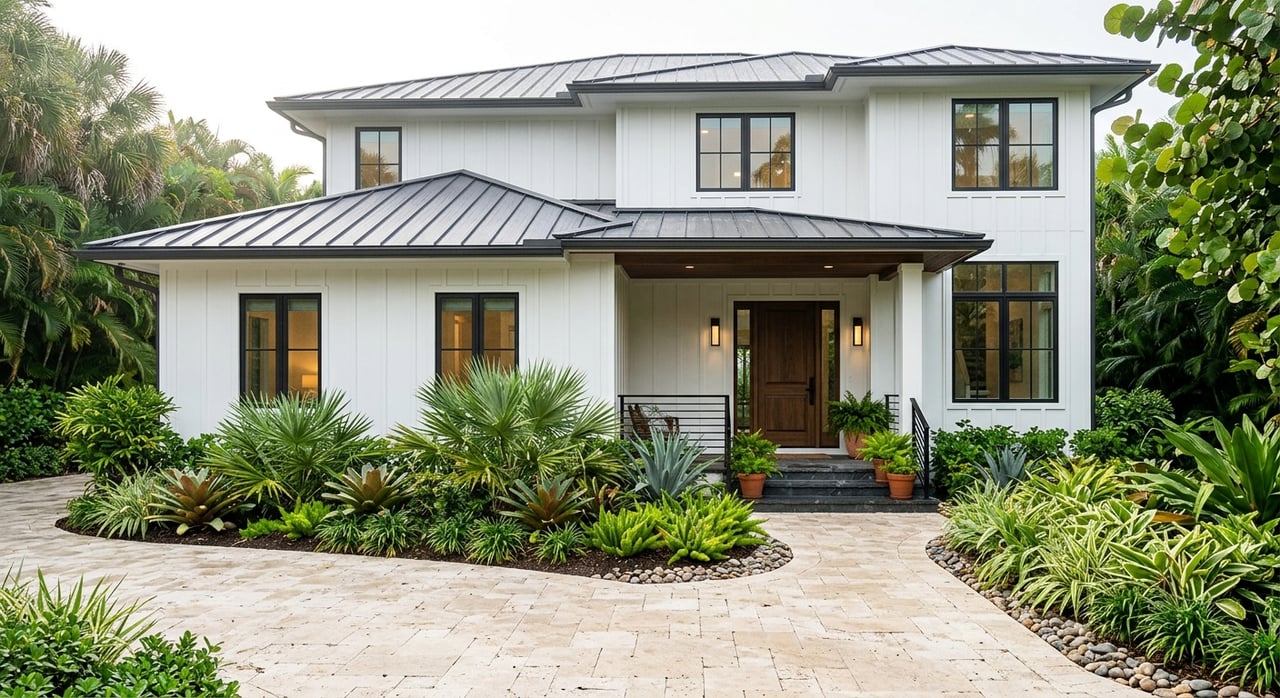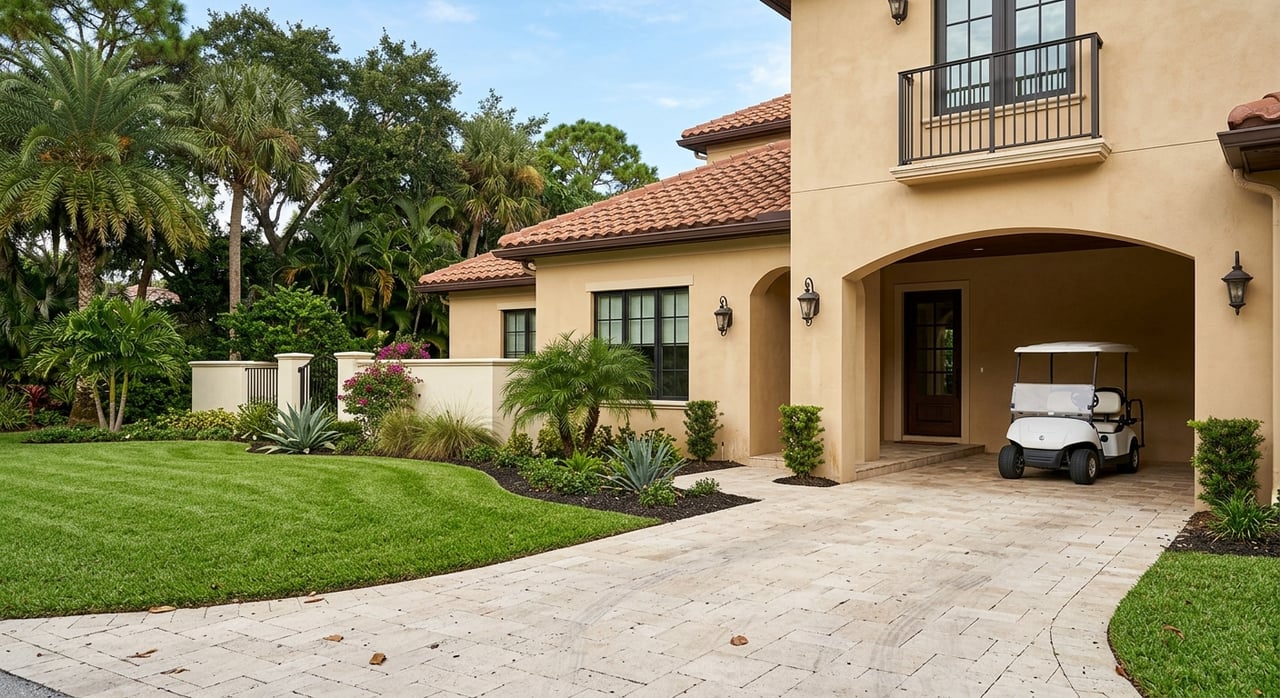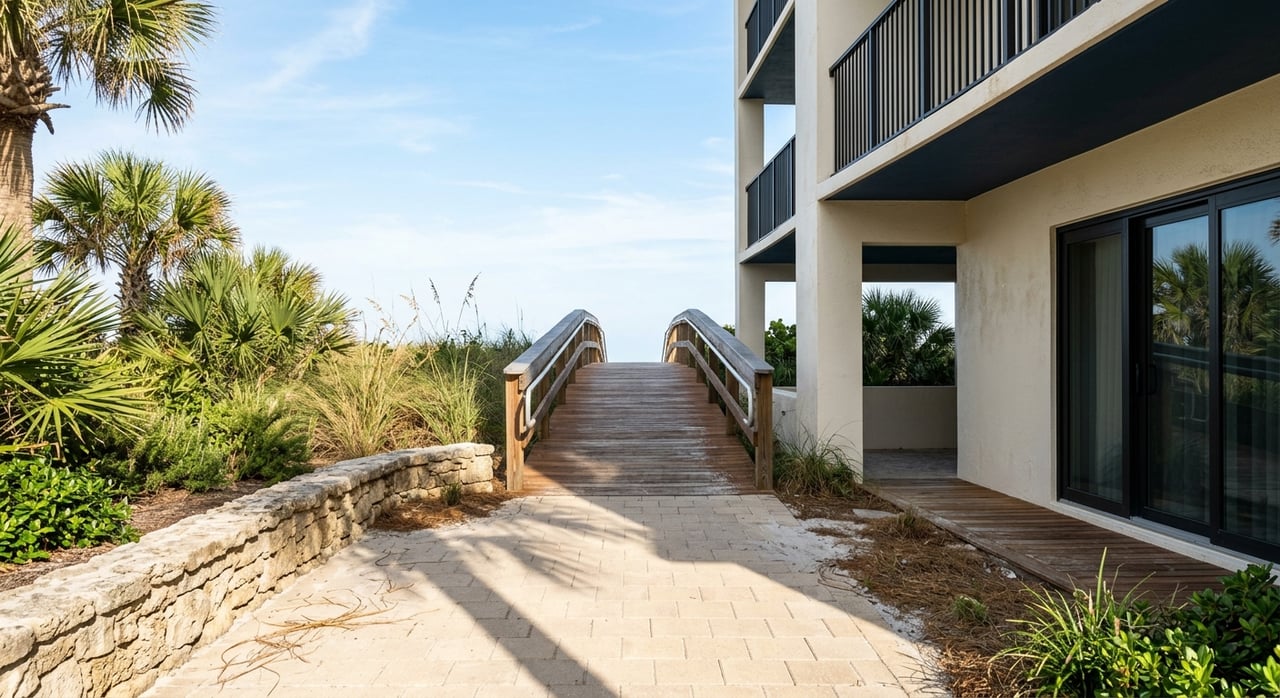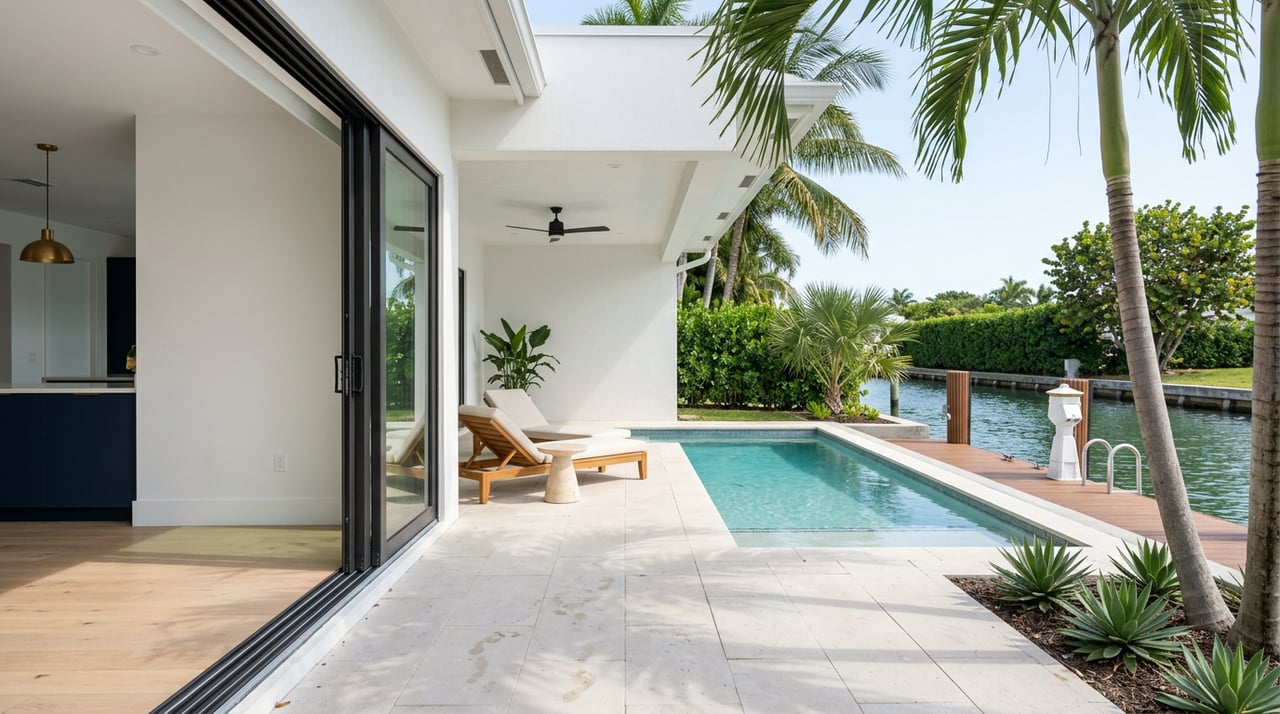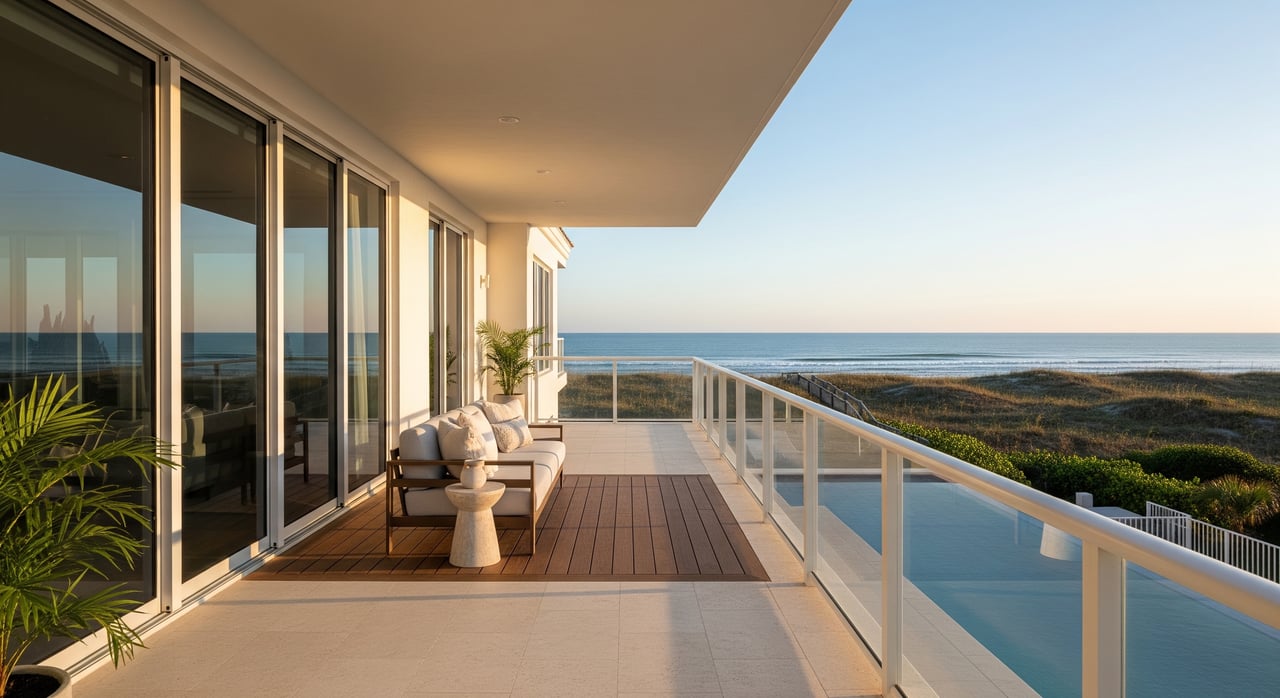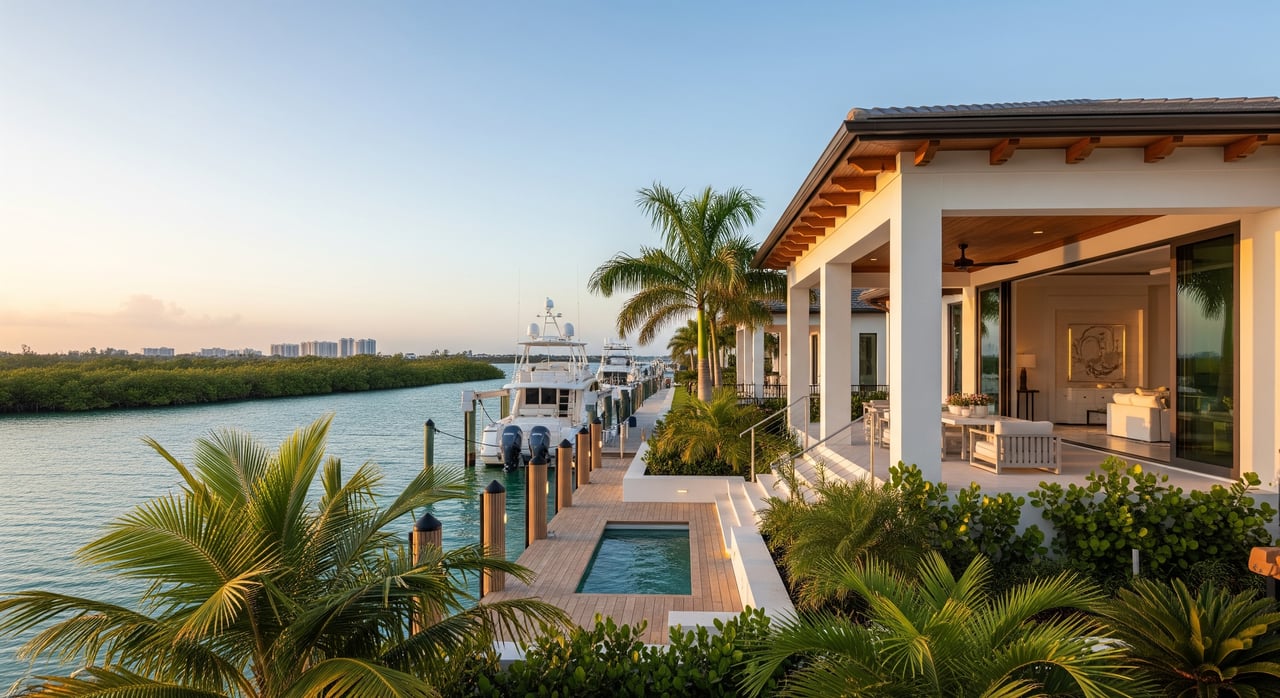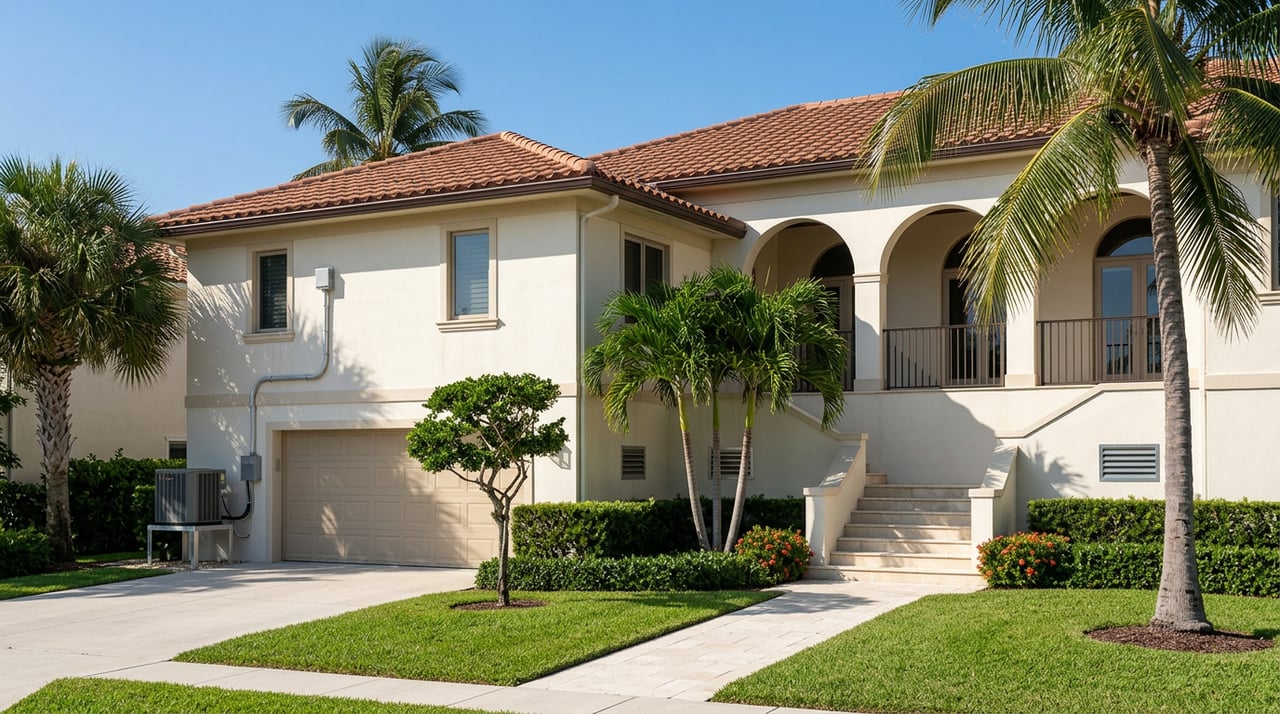
Love the idea of a waterfront lifestyle in Sewall’s Point but unsure how flood zones and elevation affect your costs and resale? You are not alone. In 34996, a few feet of elevation can change your insurance quote, your lender’s requirements, and even your long‑term value story. This guide breaks down what matters most, how to verify a property’s risk, and which steps help you buy with confidence. Let’s dive in.
Sewall’s Point flood basics
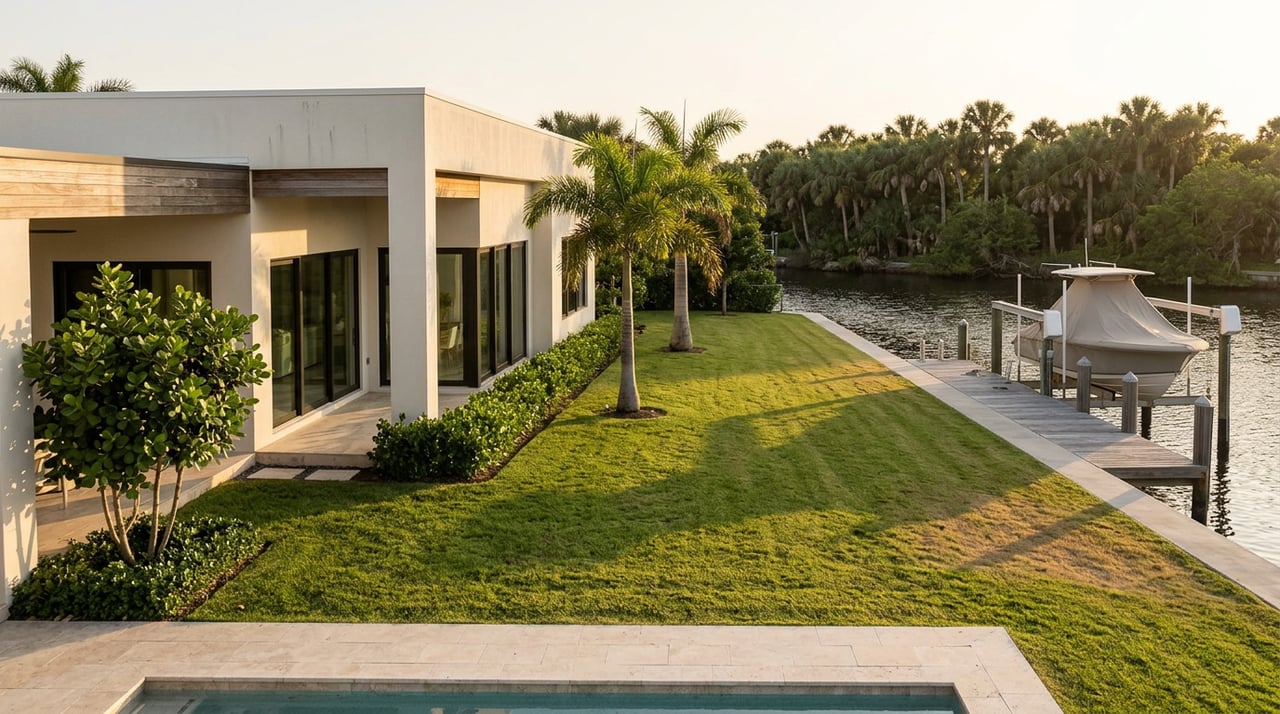
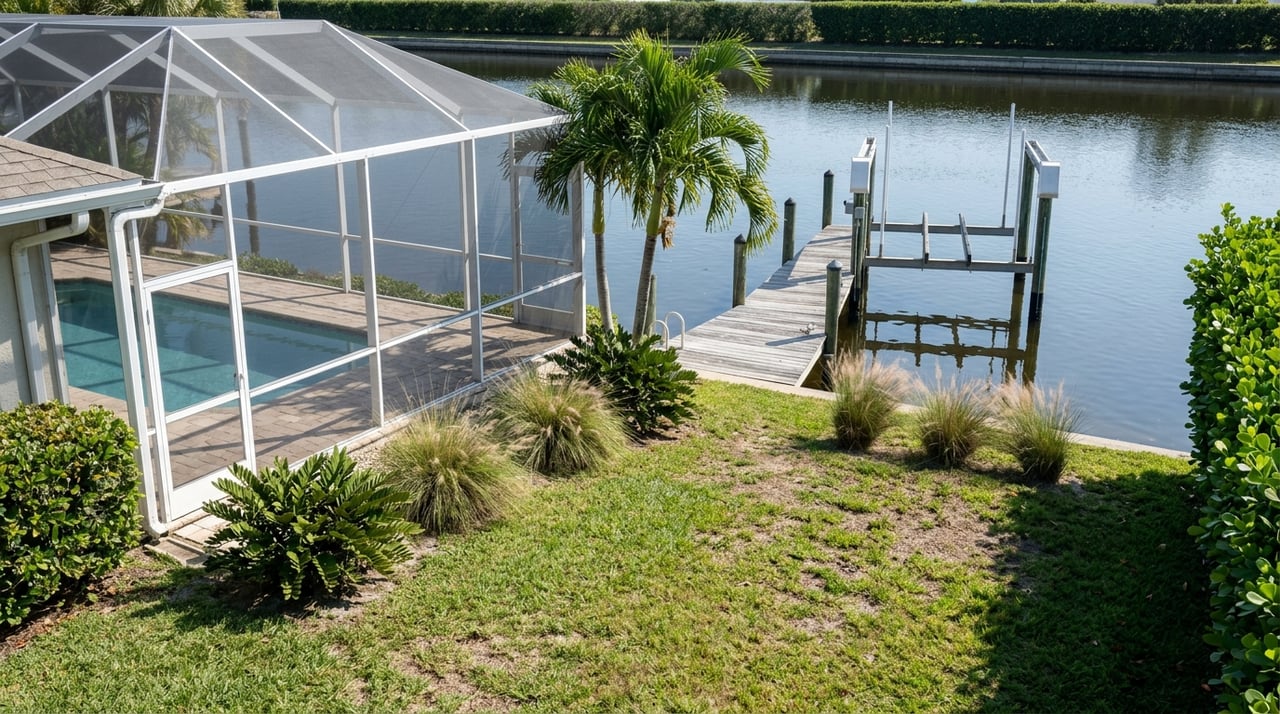
Sewall’s Point sits between the St. Lucie River and the Indian River Lagoon, and many waterfront parcels are mapped inside FEMA Special Flood Hazard Areas. Inland pockets can be in Zone X, while riverfront and canal‑adjacent homes are more often in A or AE zones. The pattern varies block by block, so you need to confirm the zone and Base Flood Elevation for each address.
Start with two authoritative tools. Use the county’s interactive FEMA Flood Zones map to see zones overlaid on parcels and find local guidance on building standards. For the official FEMA panel and Flood Insurance Study, search the property address in the FEMA Map Service Center.
Check your flood zone and elevation
Here is a simple process to verify a property before you make an offer:
- Look up the address on the Martin County FEMA Flood Zones map to see the FEMA zone, nearby waterways, and local requirements.
- Pull the official FIRM panel and BFE for the parcel in the FEMA Map Service Center. Save the map and note the BFE.
- Ask for any Elevation Certificate on file from the seller, Town Hall, or county records. The Town maintains FEMA information and often has documents for qualifying buildings, which you can request via the Sewall’s Point FEMA page or the county’s Elevation Certificate repository.
- If no Elevation Certificate exists, plan to hire a licensed surveyor. An Elevation Certificate is the clearest way to confirm the lowest finished floor relative to the BFE and to support accurate insurance pricing.
- For context on how flood elevations tie to local tides, use NOAA’s Stuart and Sewall’s Point tidal datum pages. These show the conversions surveyors use between NAVD88 and tidal levels, which is helpful when reading certificates and maps. Explore the local datum info on NOAA Tides and Currents.
Why elevation drives premiums
Even a small change in your lowest finished floor can move your premium meaningfully. FEMA’s Risk Rating 2.0 bases NFIP pricing on multiple property‑level inputs, including building elevation relative to flood levels, distance to water, and replacement cost. Two homes on the same street can have different quotes under the new method. Learn how those inputs affect pricing in FEMA’s overview of Risk Rating 2.0.
Local building rules matter too. In Martin County and the Town of Sewall’s Point, new or substantially improved structures in Special Flood Hazard Areas must be built with the lowest finished floor at least 1 foot above the BFE. This BFE + 1 foot “freeboard” requirement both reduces expected damage and can lower premiums. You can review the requirement and local guidance on the county’s Flood Zones resource page.
Insurance in 34996 under Risk Rating 2.0
Under Risk Rating 2.0, your quote reflects the specific risk at your property, not just the lettered zone. That is why the Elevation Certificate and accurate building details are so valuable when you shop coverage. Ask your insurance agent for a written NFIP quote and a rate explanation that shows which inputs drive the premium.
If your property is in a FEMA Special Flood Hazard Area and you have a federally related mortgage, your lender will require flood insurance for the life of the loan. The Town’s FEMA page explains mandatory purchase and why staying insured matters to avoid costly force‑placed coverage. Review lender expectations on the Sewall’s Point FEMA information page.
NFIP vs private flood options
For higher‑value Sewall’s Point homes, NFIP limits may not be enough. Private flood insurers often offer higher limits and additional coverages, such as additional living expense or higher limits for detached structures, although availability and underwriting vary by carrier. If you consider private flood, confirm with your lender that a private policy will satisfy the mandatory requirement. For an overview of coverage differences and market context, see the Congressional Research Service primer on NFIP and private flood insurance.
Community Rating System discounts
Martin County participates in FEMA’s Community Rating System and has achieved a Class 5 rating, which provides a premium discount for qualifying NFIP policyholders in the county. The Town of Sewall’s Point also participates and reports its own efforts, historically around Class 8. CRS participation is worth asking about when you receive quotes because discounts are applied automatically if the community participates. You can find county program details with the local guidance on the Flood Zones page.
Sea level rise planning tools
You can visualize how higher tides might affect the peninsula over time using NOAA’s Sea Level Rise Viewer. This is not a regulatory map, but it is helpful to see how incremental changes could influence nuisance flooding and access during king tides. Explore scenarios in the NOAA Sea Level Rise Viewer.
Resale impacts to factor in
Across many markets, properties in FEMA Special Flood Hazard Areas often sell with a modest risk discount compared to similar homes outside the SFHA. Waterfront and near‑water homes can still command a lifestyle premium, but buyers tend to factor in insurance costs and mitigation. Recent peer‑reviewed work also highlights broader concerns about unpriced future risk in coastal housing. For a research perspective, see the discussion in Nature Climate Change on flood risk and overvaluation.
As of October 1, 2024, Florida requires sellers of residential property to provide a flood disclosure that states whether the property is in a flood zone and whether flood insurance claims or federal flood assistance were made. This added transparency helps you evaluate risk and negotiate with clearer information. You can read a summary of the new requirement on this Florida flood disclosure overview.
Due diligence checklist for buyers
Use this quick checklist when you are serious about a home in 34996.
Ask the seller or listing agent
- Is there an Elevation Certificate on file? If yes, request a copy so your insurer can price the policy accurately. You can also search the county’s Elevation Certificate repository.
- Have any flood insurance claims been filed, or has federal disaster assistance been received? Florida’s new flood disclosure requires a yes or no.
- Has the home been elevated, floodproofed, or substantially improved? Ask for permits and final construction Elevation Certificates where applicable.
Ask your insurance agent
- Can you provide a written NFIP quote using the property address and, if available, the Elevation Certificate? Request a rate breakdown consistent with Risk Rating 2.0 guidance.
- Can you quote comparable limits on a private flood policy and confirm that my lender would accept it? Ask about coverage differences like contents or additional living expense.
- Are any Community Rating System discounts applied automatically, and is Increased Cost of Compliance coverage included where eligible?
Ask your inspector or engineer
- What is the foundation type and the elevation of the lowest usable floor relative to BFE? If no Elevation Certificate exists, request spot elevations or a survey by a licensed professional.
- What is the condition of flood vents or breakaway walls, and how are utilities positioned? Electrical panels, HVAC units, and water heaters should be located above the design flood elevation.
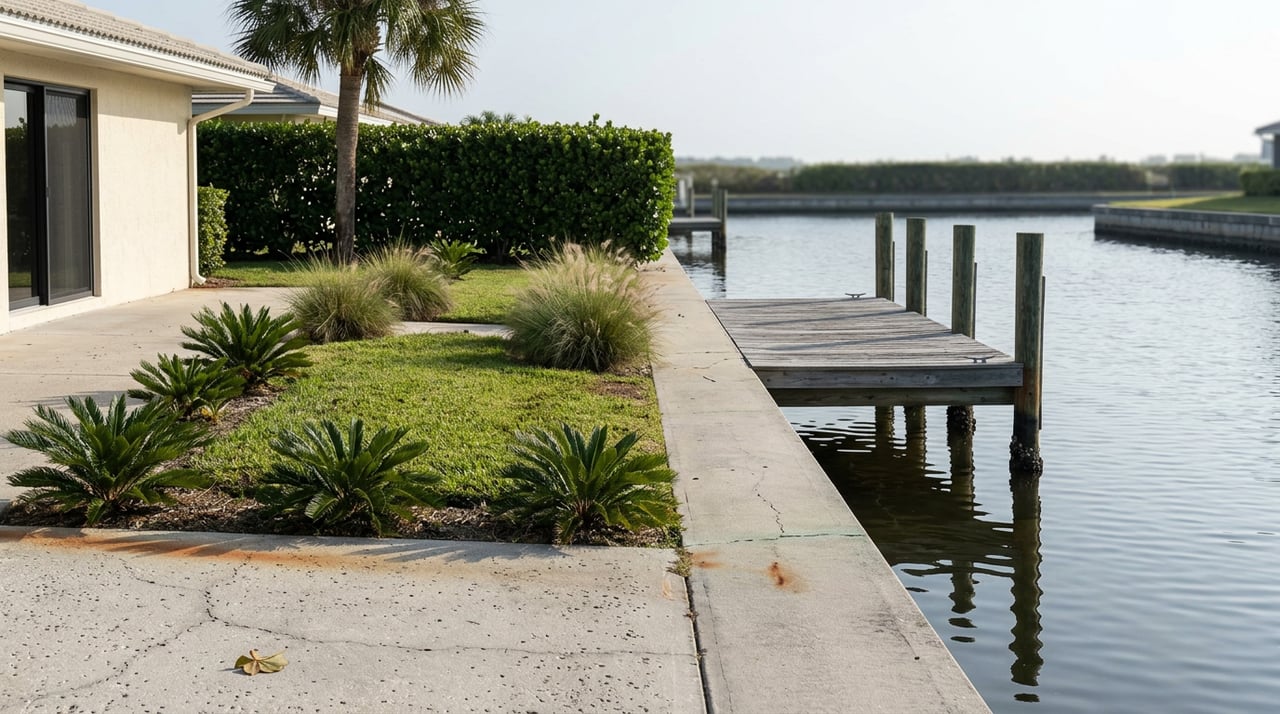
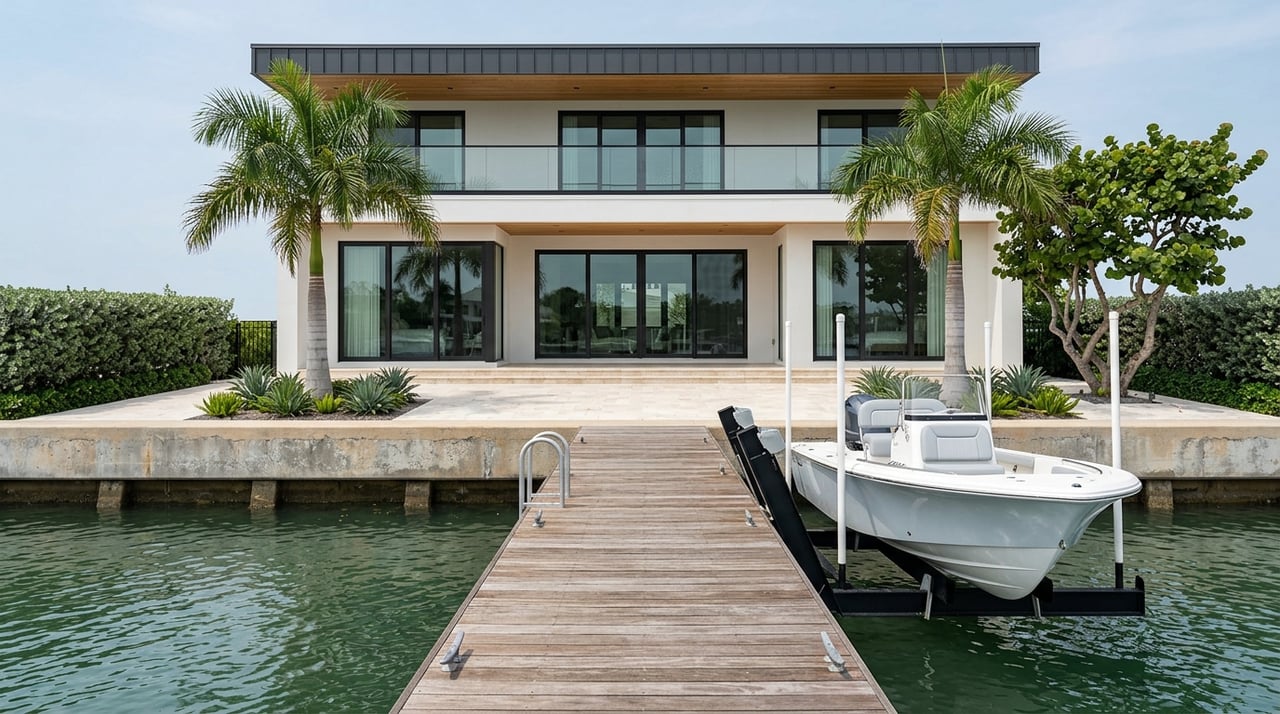
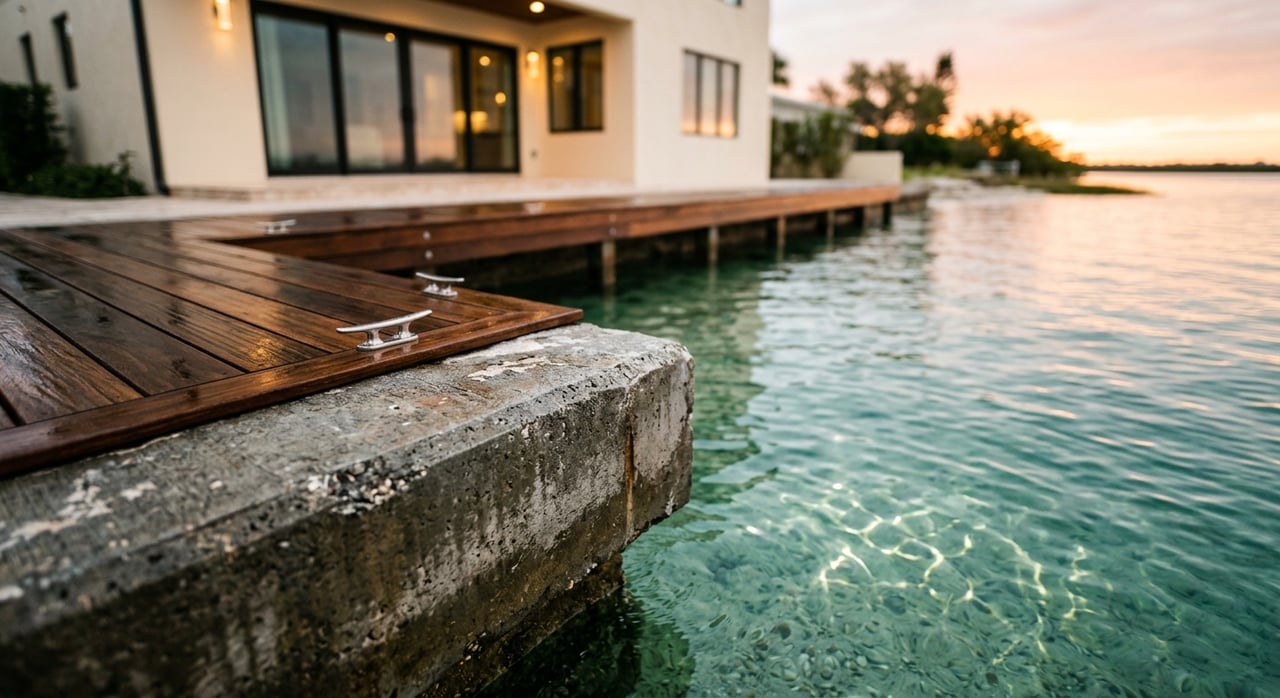
- If waterfront, what is the condition of the seawall or bulkhead and dock pilings, and is there any visible erosion or scour? Repairs can be significant, so get clarity early.
Ask local officials
- What is the current FEMA zone and BFE for the parcel, and are there any pending map updates? Confirm using the FEMA Map Service Center if needed.
- Are there planned mitigation projects or infrastructure repairs that could affect local flooding or access?
Red flags to investigate further
- No Elevation Certificate for a property inside an SFHA, or a lowest finished floor below the BFE without mitigation.
- Large NFIP premium quotes or insurer refusals without clear explanation. Ask for written quotes from both NFIP and private markets.
- Unknown or poor seawall condition on waterfront lots and unresolved bulkhead liabilities.
Ways to reduce risk and cost
You cannot move the water, but you can manage your exposure and premiums.
- Target higher micro‑elevations within the neighborhood and confirm finished‑floor elevation that is above BFE.
- Plan updates that add freeboard, improve drainage away from the foundation, and install or maintain flood vents where appropriate.
- Elevate utilities like HVAC, electrical panels, and water heaters above the design flood elevation, and store valuables above ground level.
- Maintain seawalls and docks, and budget for proactive inspections and repairs if you are waterfront.
- Keep documentation current. Save Elevation Certificates, permits, and photos of mitigation improvements to support better insurance pricing.
The bottom line for 34996 buyers
Buying near the water in Sewall’s Point is about lifestyle and stewardship. When you confirm your zone, understand your elevation, and price coverage correctly, you set yourself up for a smoother purchase and stronger resale story. With the right checks, you can enjoy the waterfront while managing risk like a pro.
Ready to evaluate a specific property or compare neighborhoods by elevation and insurance expectations? Talk with a local advisor who lives this every day. Contact The Quinn Group - Anne Warner & Sean Quinn for personal guidance on Sewall’s Point and the Treasure Coast.
FAQs
What does FEMA’s Risk Rating 2.0 mean for Sewall’s Point insurance costs?
- NFIP pricing now uses property‑level inputs like elevation, distance to water, and replacement cost, so two nearby homes can have different premiums even in the same zone, as outlined in FEMA’s Risk Rating 2.0 overview.
How do I find the Base Flood Elevation for a 34996 property?
- Look up the address in the FEMA Map Service Center and confirm details with the county’s FEMA Flood Zones map or an Elevation Certificate from the seller, Town Hall, or a licensed surveyor.
Do new builds in Sewall’s Point need to be above BFE?
- Yes, new or substantially improved structures in Special Flood Hazard Areas must have the lowest finished floor at least 1 foot above the BFE under local rules, which you can review on the county’s Flood Zones page.
Will my lender require flood insurance if the home is in an SFHA?
- If your mortgage is federally related and the property is in a FEMA Special Flood Hazard Area, the lender will require flood insurance for the life of the loan, as noted on the Sewall’s Point FEMA page.
Can I use private flood insurance instead of NFIP in 34996?
- Often yes, but lender acceptance varies, so confirm in writing; private policies can offer higher limits and added coverages, as explained in the CRS report on NFIP and private flood insurance.
What should sellers disclose about flooding in Florida now?
- As of October 1, 2024, sellers must provide a flood disclosure stating zone status and any flood claims or federal flood assistance, summarized in this Florida flood disclosure overview.