Wondering whether a downtown Stuart condo or a waterfront condo is the better fit for your lifestyle? It is a smart question, especially in a market where both options can offer low-maintenance living but feel very different day to day. If you are weighing walkability, boating access, views, upkeep, and long-term condo health, this guide will help you compare the tradeoffs with confidence. Let’s dive in.
Stuart condo living at a glance
Stuart offers a mix of condominiums and modern townhomes, with the city set along the St. Lucie River just west of the Indian River Lagoon. In practical terms, many buyers end up choosing between two lifestyle paths: living close to the compact downtown core or choosing a condo oriented around the river, inlet, or marina.
Downtown Stuart has been revitalized into a lively district with boutique shops, restaurants, entertainment, and a riverwalk boardwalk. That creates a very different daily experience from a waterfront setting, where the focus is often on views, boating, fishing access, and time spent on the water.
Downtown Stuart condos
Why buyers like downtown
If you want a more walkable routine, downtown Stuart condos often stand out first. The downtown historic district is compact and river-bounded, which helps create a concentrated area where dining, events, and public spaces are close together.
For many buyers, that means less driving and easier access to the places they enjoy most. Seasonal owners, downsizers, and anyone who values convenience often gravitate to this type of setting.
Everyday convenience downtown
The city’s Downtown Loop TRAM connects City Hall, the Riverwalk, the Lyric Theatre, and public parking, and it runs seven days a week. That kind of local service can make a downtown condo feel especially practical if you prefer a car-light lifestyle.
The City Docks also add to downtown access. Daytime docking is available at no charge, and from the docks you can make a short walk to the Riverwalk, downtown restaurants and stores, Flagler Park, and the tram stop.
Downtown lifestyle and activities
Downtown Stuart is not just about errands and dining. It also offers a steady rhythm of public events and outdoor spaces that can shape how you use your condo.
Rock’n Riverwalk is a free Sunday concert series held at the Riverwalk Stage, with access by car or boat and free shuttle parking. Flagler Park adds nearby waterfront open space with picnic facilities, a playground, a basketball court, and other outdoor amenities.
Best fit for downtown condos
A downtown condo may be the stronger choice if you want:
- Walkable access to restaurants, shops, and events
- A lower-maintenance lifestyle centered on convenience
- Easy access to public gathering spaces and the Riverwalk
- A condo that works well for seasonal use or downsizing
In many cases, the tradeoff is that you may prioritize location and convenience over private outdoor space or direct boating features.
Waterfront Stuart condos
What makes waterfront different
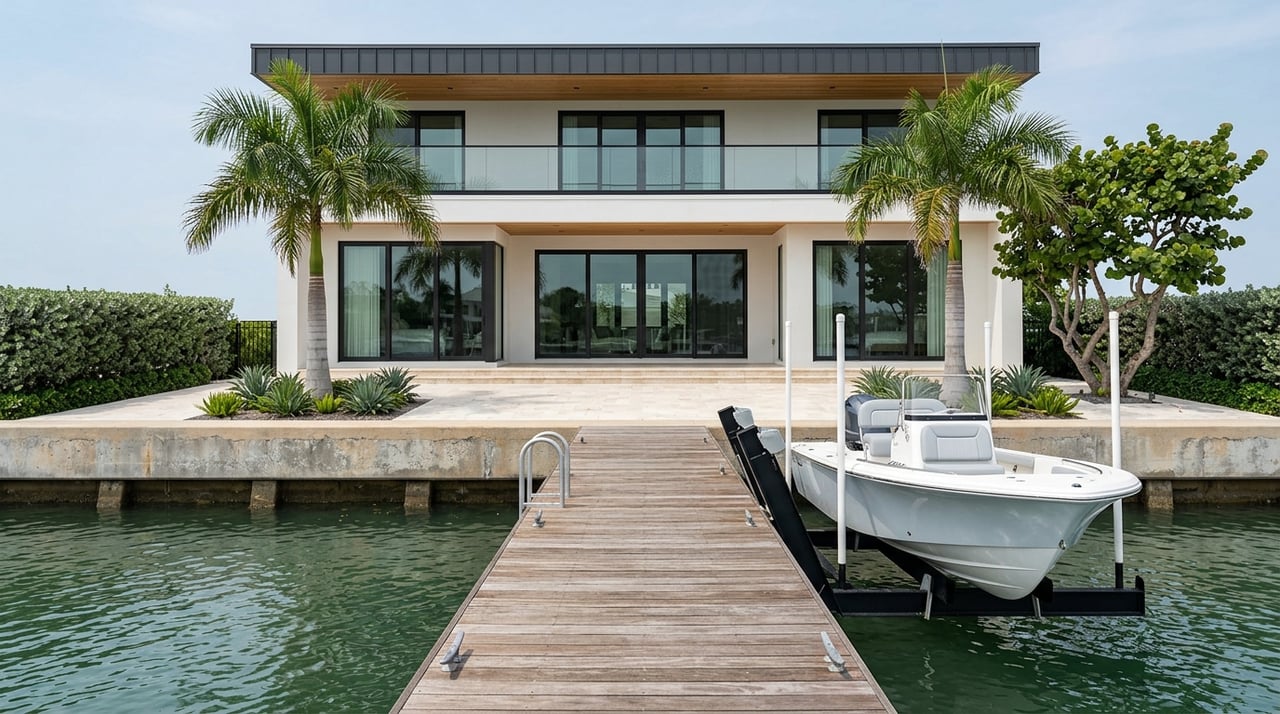
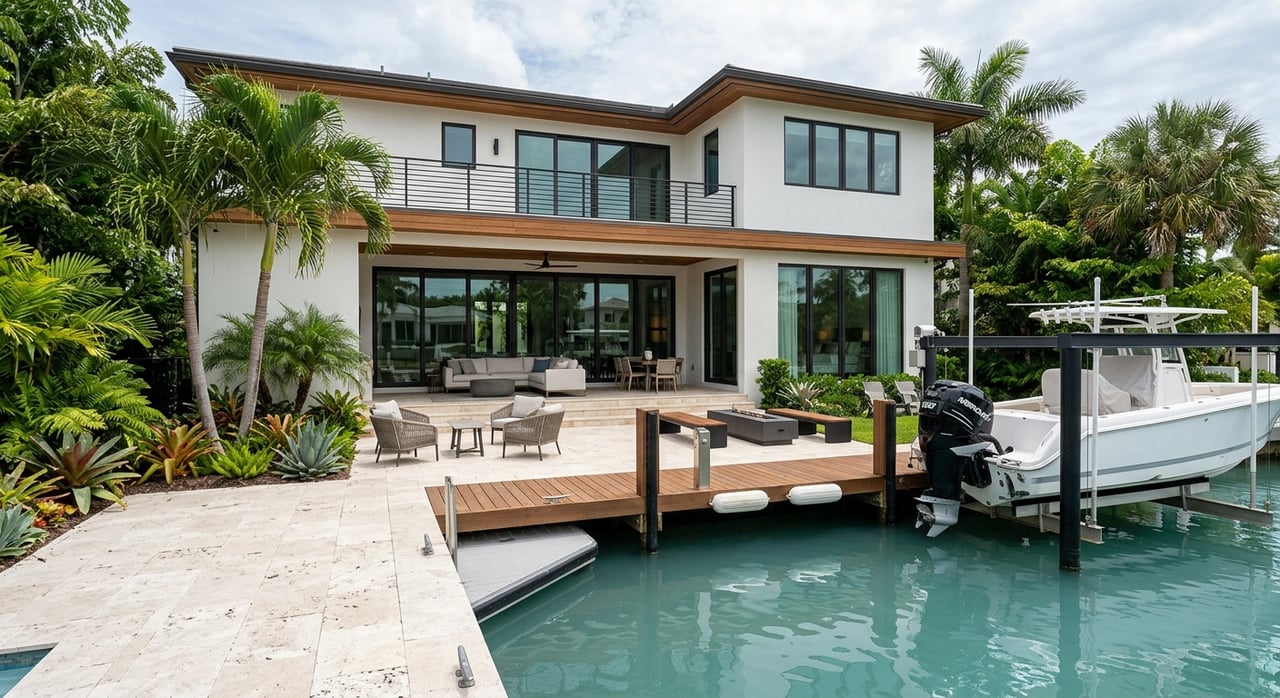
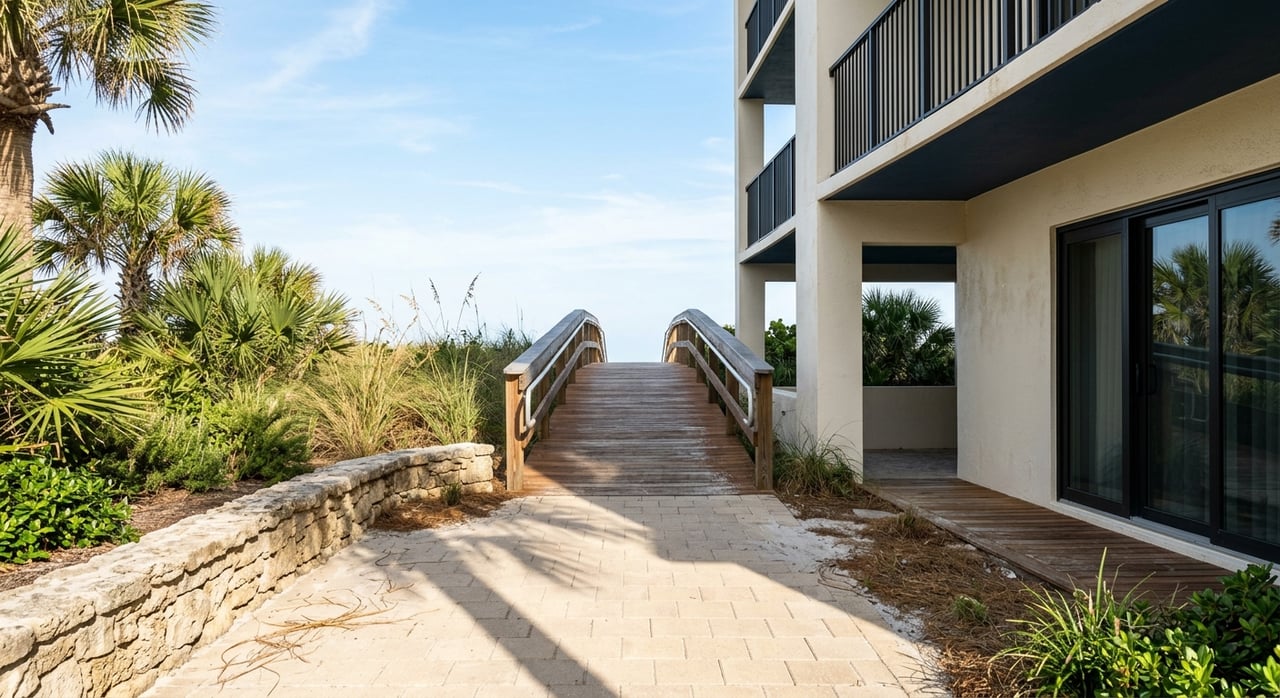
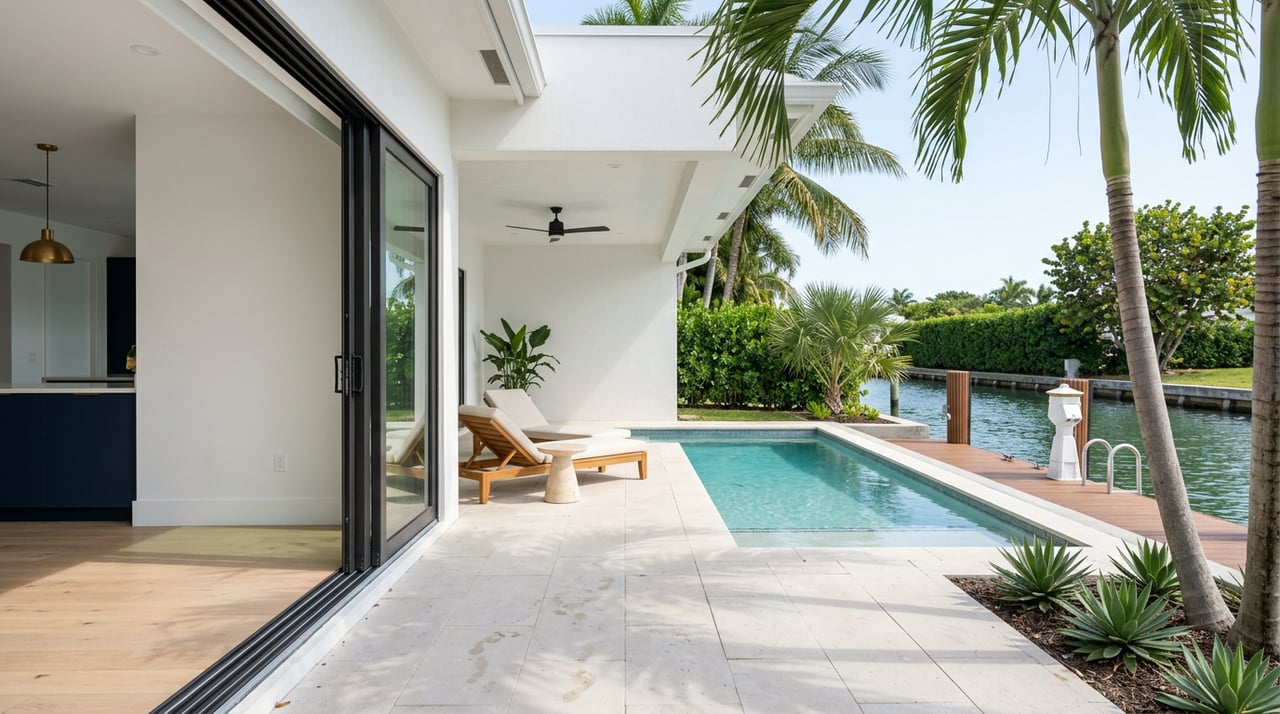
Stuart’s waterfront identity is built around the river, inlet, and marinas. If you picture mornings with water views, afternoons on a boat, or quick access to fishing and paddling, a waterfront condo may feel more aligned with how you want to live.
The city notes that the north and south forks of the St. Lucie River are well suited for cruises, paddling, and wildlife viewing. Martin County also identifies the St. Lucie Inlet as important to commercial, sport, and recreational fishing.
Water access matters
For buyers focused on boating, the right condo search goes beyond the view. You will want to understand what kind of access exists nearby, whether that means marina slips, moorings, a dinghy dock, or public launch options.
Martin County’s Manatee Pocket Mooring Field gives a good example of the boating infrastructure that matters in this area. It includes 36 moorings, vessel capacity up to 40 feet in the north field and 30 feet in the south field, restrooms, a dinghy dock, weekly pump-out service, vehicle parking, and nearby boat-ramp access.
Boating details to review
Not every waterfront condo offers the same rights or responsibilities. Some buyers assume that being on the water automatically means simple dock access, but that is not always the case.
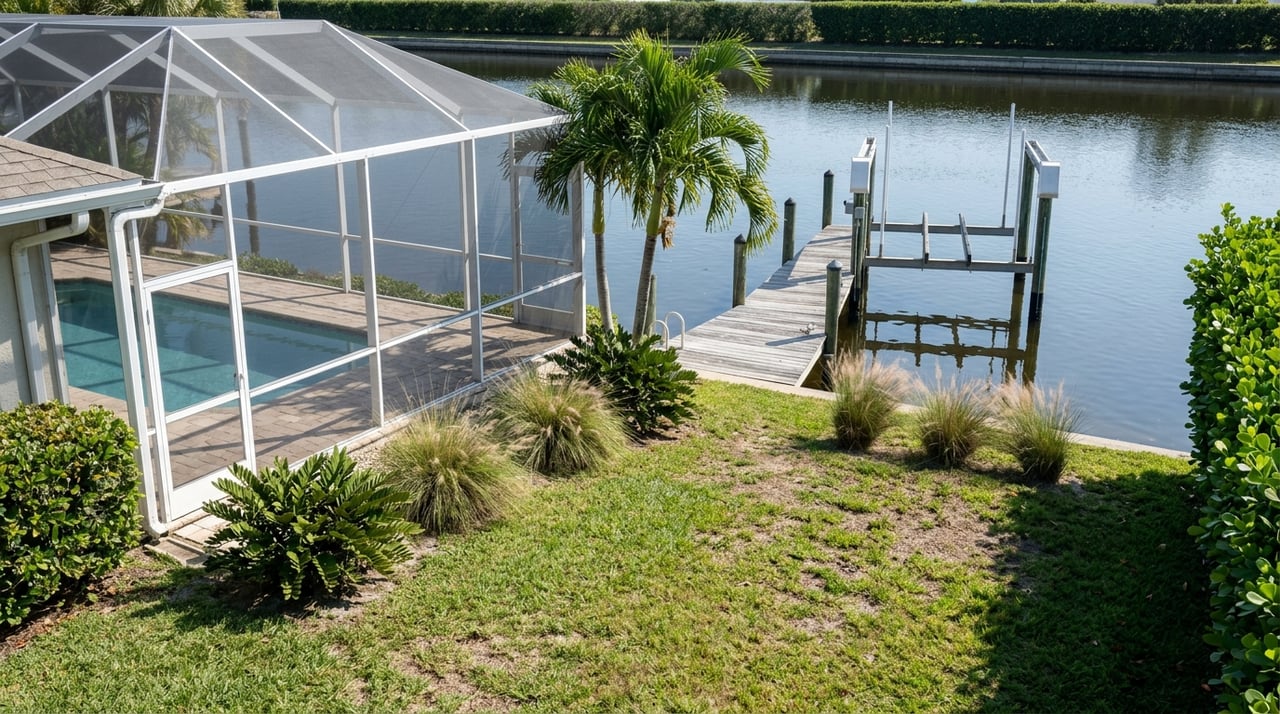
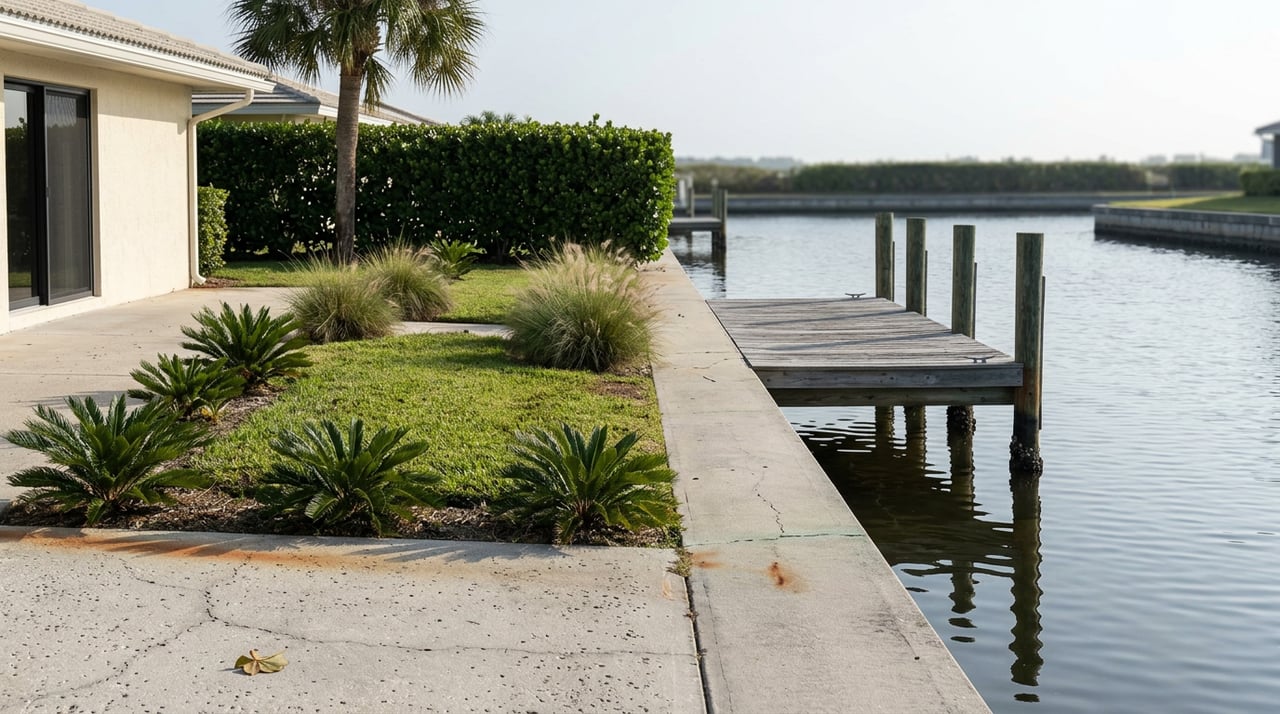
Martin County requires permits to construct docks or boatlifts. That is one reason waterfront condo buyers should look closely at dock rights, use rules, seawall responsibility, and the association’s approach to maintenance.
Beaches and waterfront access
Choosing a waterfront condo does not always mean you need a private dock to enjoy the coastal lifestyle. The city says the Evans Crary Bridge provides access to public beaches, and Martin County identifies Stuart Beach and Bathtub Beach as guarded beach locations.
That broader access can be appealing if you want the feel of water-oriented living without making private boating the center of your search.
Best fit for waterfront condos
A waterfront condo may be the better choice if you want:
- Water views as part of your daily routine
- Easier access to boating, fishing, or paddling
- Proximity to marinas, moorings, or waterfront recreation
- A lifestyle centered more on the river or inlet than downtown events
The tradeoff is that these properties often require more careful review of water-related maintenance and association planning.
Downtown vs waterfront comparison
Here is a simple way to compare the two condo paths in Stuart:
| Priority | Downtown Condo | Waterfront Condo |
|---|---|---|
| Daily lifestyle | Walkable, event-friendly, car-light | Water-focused, view-driven, boating-oriented |
| Nearby features | Riverwalk, restaurants, shops, TRAM, City Docks | River, inlet, marinas, moorings, fishing access |
| Best for | Downsizers, seasonal owners, convenience seekers | Boaters, anglers, view-focused buyers |
| Main due diligence | Building governance, reserves, rules | Dock rights, seawalls, reserves, water-related upkeep |
| Typical tradeoff | Less emphasis on private outdoor space | More complex maintenance questions |
A third option: low-maintenance beyond the core
Not every buyer wants to be right in downtown or directly on the water. Stuart also offers modern townhomes and condominiums outside those two core lifestyle categories.
For some buyers, these communities are the middle-ground choice. You can still get low-maintenance ownership without making walkability or boating the main driver of your decision.
Condo due diligence in Stuart
Review the association records
Before you buy any condo in Stuart, ask for the association’s key records. Florida condo buyers should review the declaration, bylaws, rules, budgets, reserve schedules, and recent meeting minutes.
These records can tell you how the building is run, how money is being managed, and whether future costs may be coming. They are especially important if you are comparing an older building with a newer one, or a waterfront property with more complex maintenance needs.
Understand access to records
The Florida Department of Business and Professional Regulation says owners must generally be given access to official records within 10 working days after a proper written request. That helps support a more informed review process when you are evaluating a condo association.
DBPR also says special-assessment handling depends on the governing documents and meeting notice requirements. In other words, the details matter, and they are building-specific.
Know who maintains what
Under Florida law, the association is responsible for maintaining common elements unless the declaration shifts limited common-element responsibility to owners. That is a key distinction for condo buyers because it affects both expectations and potential costs.
In a waterfront setting, this can be especially important when features like seawalls or shared access areas are involved. In a downtown building, the focus may be more on elevators, parking, or shared amenities.
Pay attention to reserves and inspections
Current Florida law requires milestone inspections and structural integrity reserve studies for many condominium buildings. According to DBPR, residential condominium and cooperative buildings that are three or more habitable stories are subject to milestone-inspection rules at the age thresholds set by law.
The reserve study must identify each visually inspected item, its remaining useful life, its replacement cost or deferred-maintenance expense, and a reserve funding schedule. For buyers, that makes reserve planning more than just a line item on a budget.
Why this matters in Stuart
For older or taller Stuart condo buildings, the reserve-study framework can be especially important. The law’s item list includes elevators, HVAC systems, pools and spas, seawalls, parking areas, drainage systems, and irrigation systems.
That means your review should match the type of condo you want. Downtown buildings should be judged on walkability and building governance, while waterfront buildings should be judged on water access, dock rules, and the health of the association’s reserves.
How to choose the right Stuart condo
If you are deciding between downtown and waterfront, start with how you want your days to feel. Do you want to walk to dinner, concerts, and the Riverwalk, or do you want to look out at the water and keep boating access top of mind?
Then move from lifestyle to due diligence. Once you narrow your preferred setting, compare each building’s rules, reserves, maintenance history, and practical access features so your condo choice fits both your goals and your comfort level.
If you want help comparing Stuart condo options with a local, waterfront-savvy perspective, The Quinn Group - Anne Warner & Sean Quinn can help you sort through the lifestyle details, building differences, and next steps with confidence.
FAQs
What is the main difference between downtown and waterfront condos in Stuart?
- Downtown condos generally offer easier access to shops, restaurants, the Riverwalk, events, and the TRAM, while waterfront condos are more focused on views, boating access, and river or marina living.
Are downtown Stuart condos good for seasonal living?
- They can be a strong fit for seasonal owners because downtown offers a compact, convenient setting with walkable amenities and local transportation through the Downtown Loop TRAM.
What should buyers review before buying a waterfront condo in Stuart?
- You should closely review dock rights, seawall responsibility, association rules, reserve funding, budgets, and recent meeting minutes, along with any water-access features that matter to your lifestyle.
Do Stuart waterfront buyers need private dock access to enjoy the area?
- Not necessarily. Stuart also offers public water-oriented access, including City Docks for daytime docking and public beach access via Evans Crary Bridge, with Stuart Beach and Bathtub Beach identified by Martin County as guarded beaches.
What condo documents should buyers request in Stuart, Florida?
- Buyers should ask for the declaration, bylaws, rules, budgets, reserve schedules, and recent association meeting minutes as part of their condo due diligence.
Why do condo reserves matter when comparing Stuart buildings?
- Reserve studies and building records can help you understand future repair planning and potential costs for items such as elevators, HVAC systems, pools, seawalls, parking areas, drainage systems, and irrigation systems.