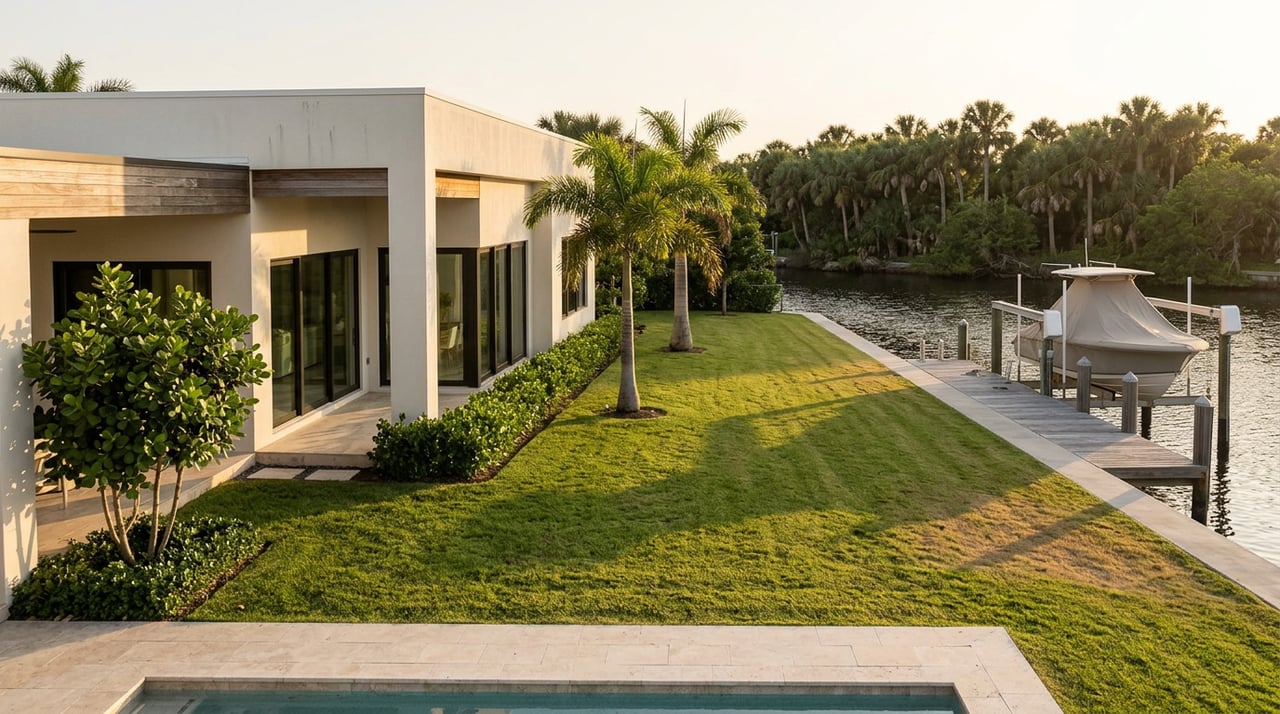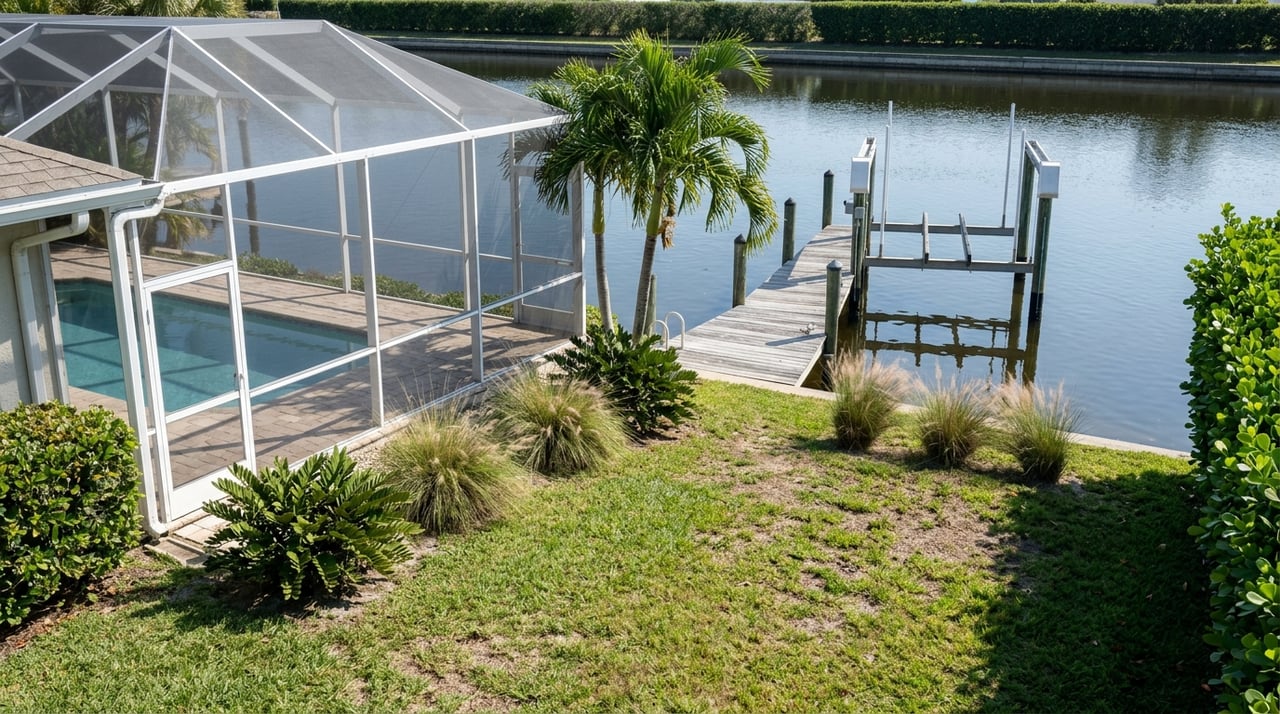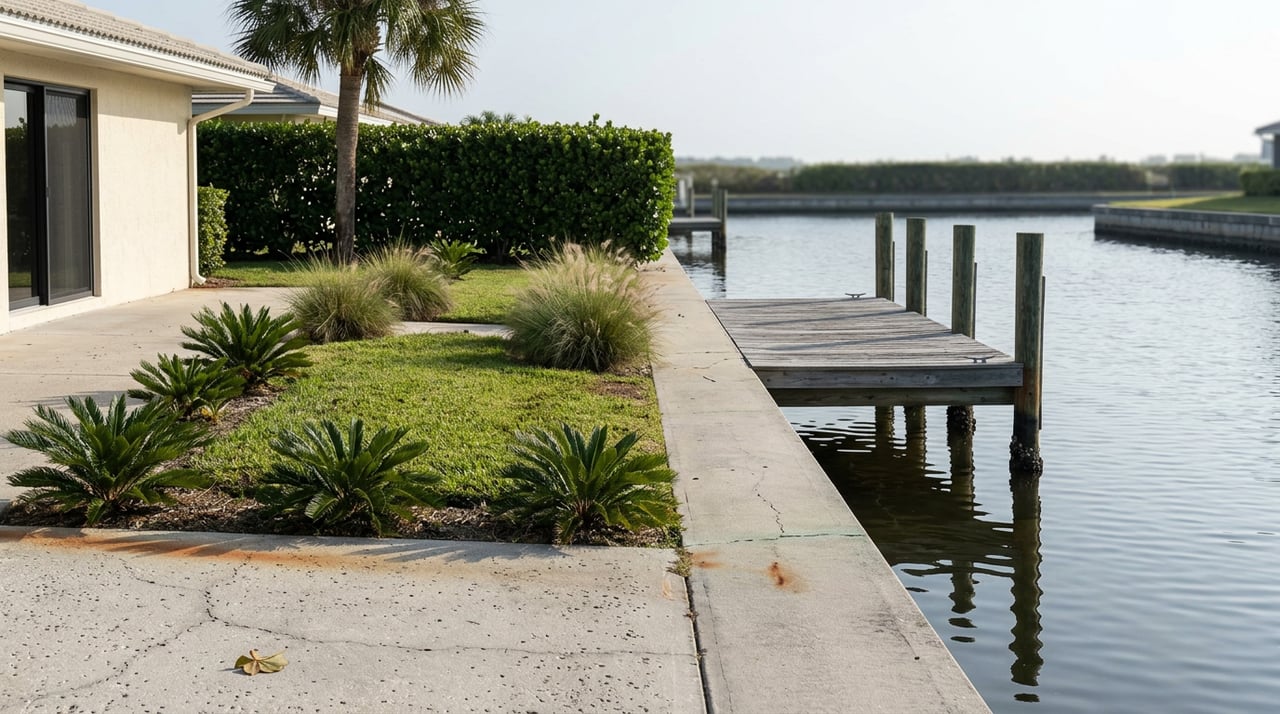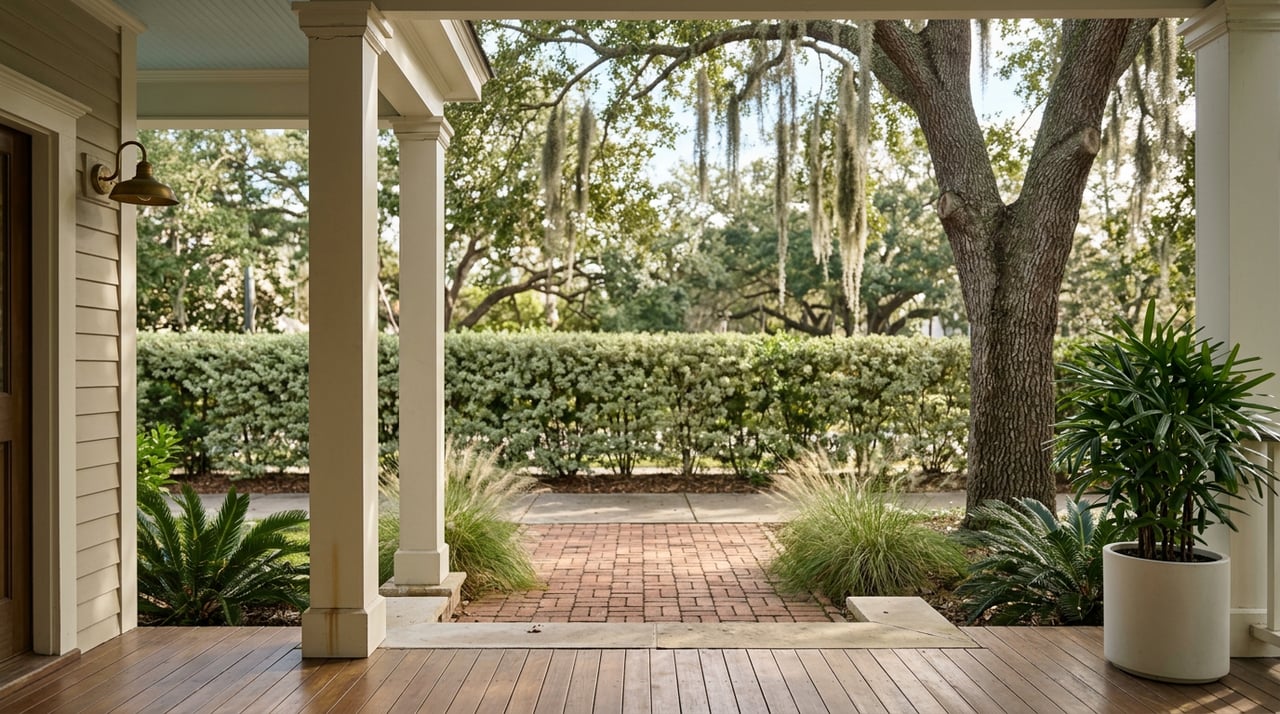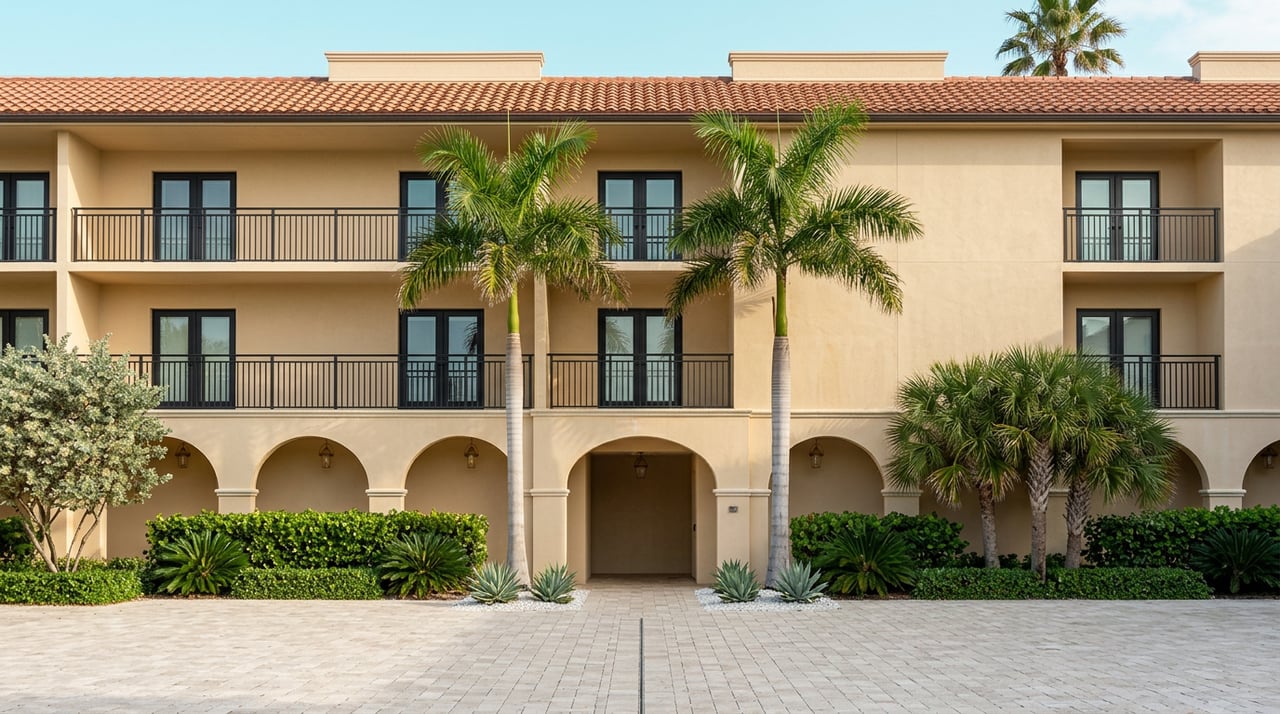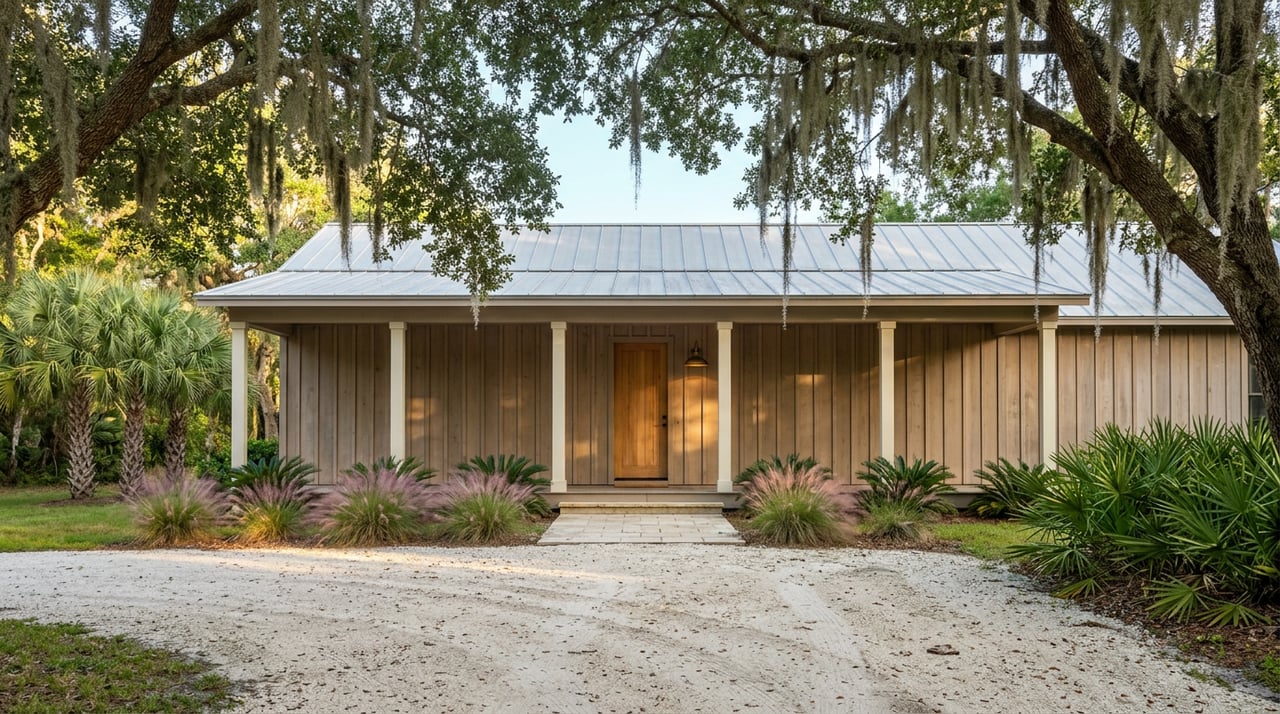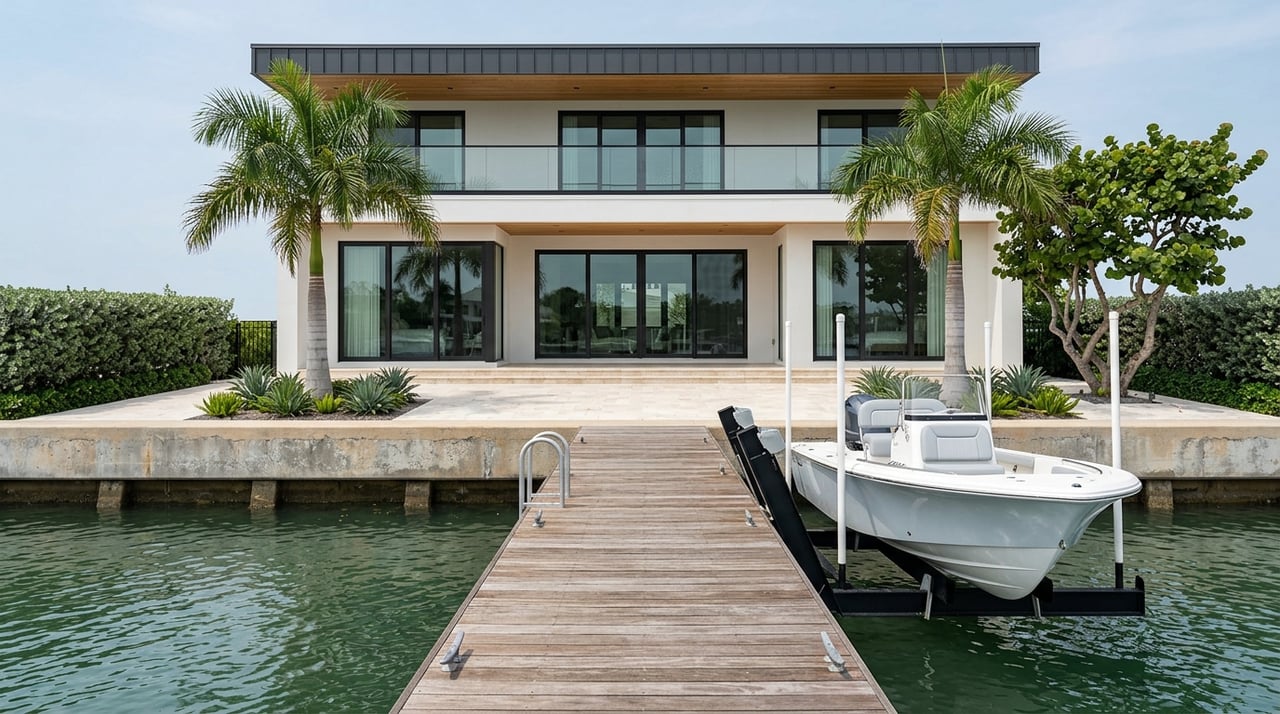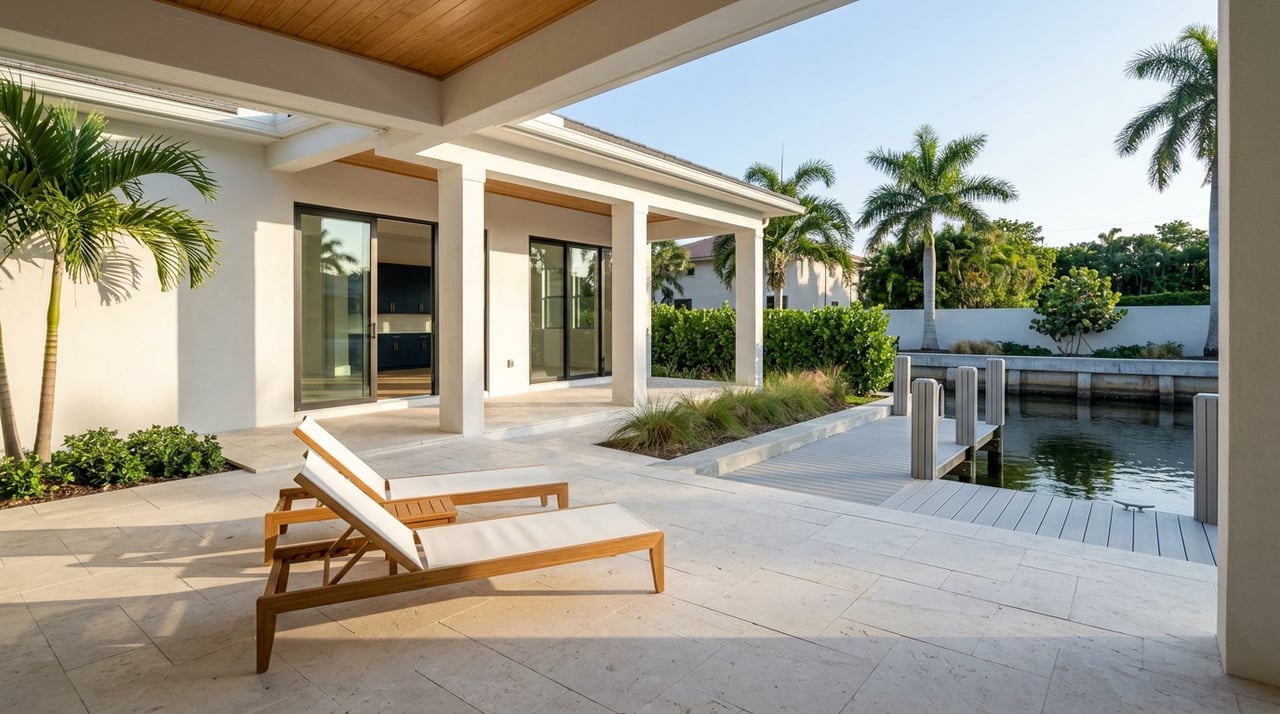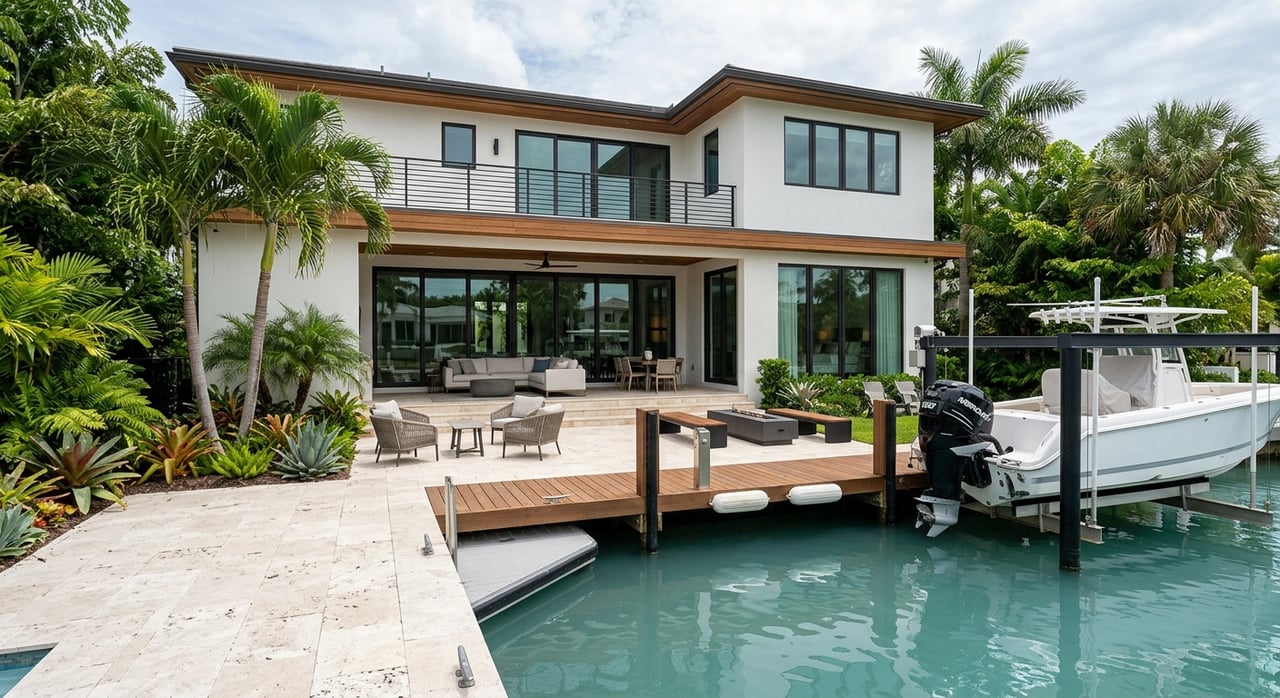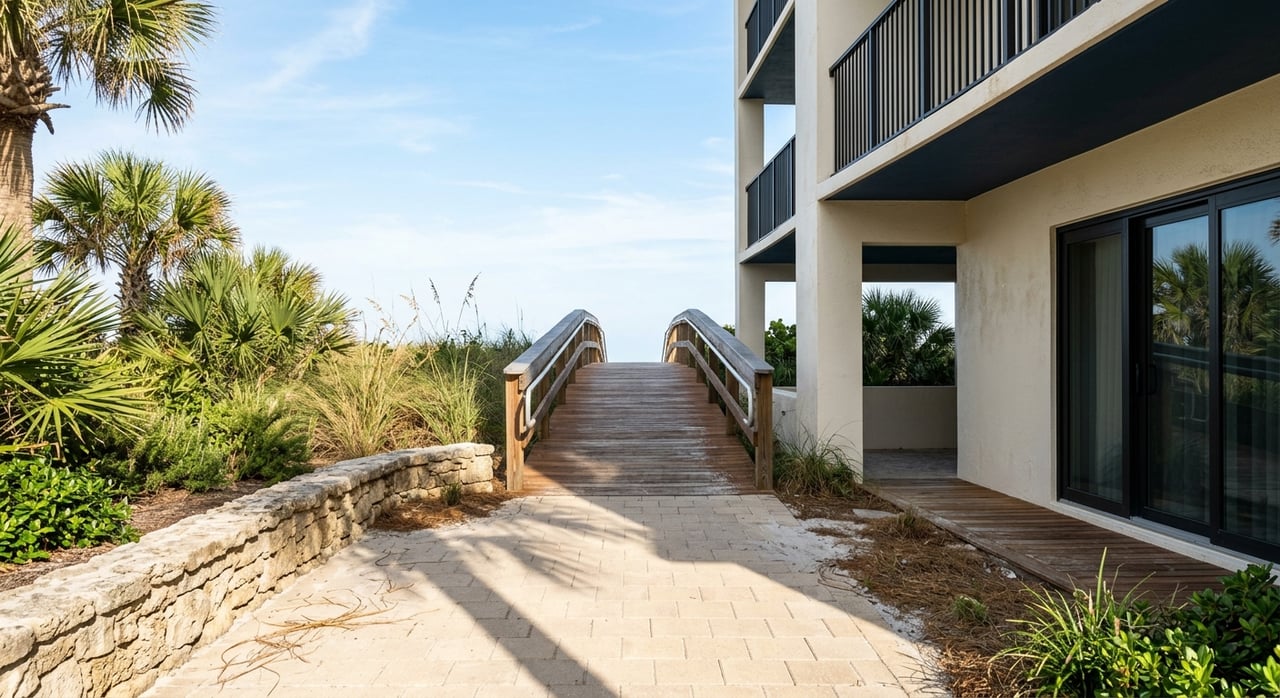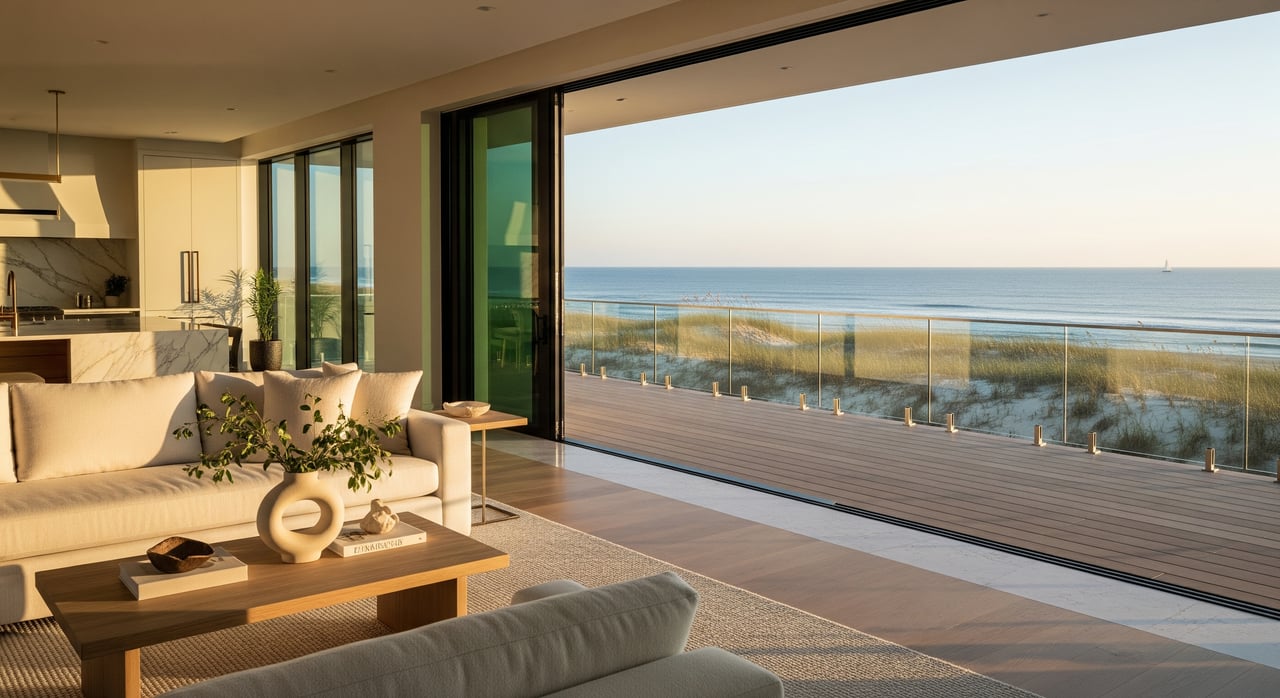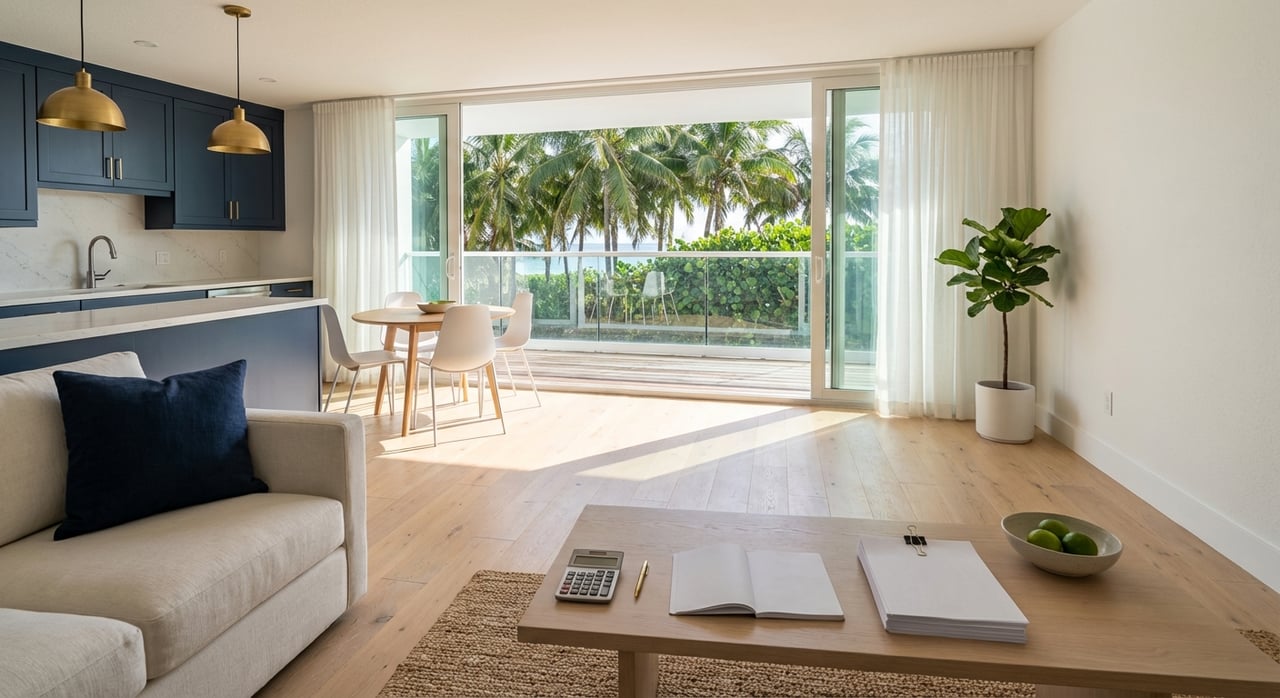
Picture your winter mornings on quiet beaches, then letting your condo earn when you head home. If you are eyeing Hutchinson Island for seasonal living and part‑time rental, you are in good company. This barrier‑island market rewards smart planning: buildings often favor monthly stays, winter demand is strong, and county and state rules shape how you operate. In this guide, you will learn the rules that matter, what to ask an association, how to model cash flow, and management options that fit your lifestyle. Let’s dive in.
Why Hutchinson Island works seasonally
Hutchinson Island sees its busiest rental season in winter and early spring, roughly December through April. That is when “snowbird” demand heats up and monthly rates rise. Outside that window, summer and early fall are slower due to weather and storm season.
Many island condo associations set minimum rental terms of 30 to 90 days and require lease applications and approval. You will see listings that clearly state 30–60 day minimums and association approval steps, which signals a monthly or seasonal model rather than nightly stays. For example, a representative island listing highlights a 30‑day minimum with association approval, which is common on the island. You can view a sample statement of this minimum‑stay approach on a local vacation listing portal that cites 28–30 day minimums and approval steps. This monthly focus shapes how you price, market, and schedule your own use.
To set expectations, use a seasonal model. Winter rates often command a premium, while off‑season months see reduced pricing and more flexible terms. When you compare options, avoid a single flat nightly average. Look at multi‑month seasonal comps and pair them with a realistic occupancy plan.
Know the rules first
Association rental terms and approvals
Before you fall in love with the view, confirm the building’s rental policy. Many associations require a minimum lease length, cap the number of leases per year, or require a formal lease application with fees and timelines. Some island complexes explicitly set 30–60 day minimums and require association approval before each lease, which is consistent with a seasonal, monthly rental rhythm. Verify all of this in the recorded declaration, rules, and recent amendments.
Florida’s protection on new rental limits
Florida’s Condominium Act limits how new rental restrictions apply to current owners. If an association adopts an amendment that changes the rental term or limits the number of rentals, it generally applies only to owners who consent or to buyers who take title after the amendment date. See the statute’s language on amendments that affect rentals in Section 718.110. This is why you should ask whether any rental‑related amendments were adopted recently and whether they bind current owners or only future buyers. If rental flexibility matters to you, prioritize buildings that already permit monthly stays or short minimums in their governing documents.
Review Florida’s statute on condo document amendments that affect rentals.
Taxes and registrations for short‑term stays
If you rent for six months or less in St. Lucie County, you must collect and remit the 5 percent Tourist Development Tax in addition to state sales and discretionary taxes. Owners are required to register with the County Tax Collector’s TouristExpress system and file returns. Some platforms do not remit the county bed tax for you, so confirm how your platform handles local taxes and set up remittance correctly. Start with the county’s official overview and registration.
- St. Lucie County Tourist Development Tax rules and registration
- Florida Department of Revenue overview of local transient rental taxes
Building health and reserves matter
Milestone inspections and SIRS
Florida now requires milestone structural inspections for multi‑story condo buildings as they hit age milestones, followed by inspections every 10 years. Associations must also perform Structural Integrity Reserve Studies and disclose results. These reports can reveal significant repair needs and lead to special assessments or financing plans. For buildings in the 25–40 year range, ask whether the milestone inspection and SIRS are complete, what Phase 2 found if applicable, and what the reserve funding plan looks like.
See Florida’s recent changes on inspections and reserve studies.
Ask for meeting minutes, budgets, and SIRS summaries. Missing or expensive repairs can change cash flow and resale, so build this into your due diligence and numbers.
Insurance and flood basics
Associations must carry master property insurance and fidelity bonding, but standard language leaves many interior items to you. Floor and wall coverings, built‑ins, appliances, and personal property usually fall under your HO‑6 policy. Coastal buildings also have separate wind or hurricane deductibles, and many units sit in higher flood risk zones. Confirm master policy limits, wind and flood coverage, and association deductibles. Then get an HO‑6 quote and, if needed, flood insurance for your specific unit.
- Owner vs association insurance responsibilities under Florida law
- Check flood zones on FEMA’s Flood Map Service Center
Financing and resale considerations
Loan options and buyer demand can hinge on your building’s “warrantability.” Fannie Mae, Freddie Mac, and FHA have project‑level standards that cover owner‑occupancy ratios, reserves, insurance, delinquencies, and litigation. If a project is non‑warrantable, buyers may need portfolio or jumbo loans at higher rates or costs. That affects both your purchase path and future resale pool. Before you commit, ask your lender to review the project against conventional standards and confirm likely paths for financing.
Learn how Fannie Mae evaluates condo projects.
Model your numbers the island way
A monthly seasonal model fits Hutchinson Island. Build your analysis around winter premium months and slower off‑season pricing. Plan for occupancy in a 35 to 70 percent annual range depending on your personal use and building rules. Vacation markets across Florida often show average occupancy in the mid‑40s to mid‑60s, with higher spikes in peak months.
See typical vacation rental occupancy ranges.
Start with these steps:
- Pull building‑level comps. Gather monthly rates for January through April plus off‑season months from current listings in the same building or immediate area. Many owners focus on multi‑month stays in Jan–Apr and reduce rates outside those months.
- Set your calendar. Block your personal dates and confirm association minimums that may limit the number of leases per year.
- Price peak and off‑peak separately. Do not average across the whole year.
- Add operating costs. Include HOA dues, insurance, property taxes, utilities, cleaning, management fees, and reserves.
- Add taxes. Budget for state sales tax and the county’s 5 percent tourist tax on all taxable rental receipts.
Example only, for a 2‑bed ocean‑view condo using representative island comps:
- Peak months (Jan–Apr): $6,000 per month × 4 = $24,000
- Off‑season (May–Dec): $3,000 per month × 8 = $24,000
- Gross annual rental revenue: $48,000
Estimated annual expenses to plug into your model:
- Management fee: 20–30 percent of gross revenue, depending on service level
- Cleaning and supplies: varies by turnover count
- HOA dues: building specific and highly variable
- Owner insurance and property taxes: unit specific
- Sales and tourist taxes: collected and remitted on short stays
Below is a simple three‑scenario view. Replace the numbers with your building’s comps, dues, and quotes.
| Scenario | Months rented | Peak monthly | Off‑peak monthly | Gross revenue | Mgmt fee | Cleaning | HOA dues | Est. taxes/ins. | Net before debt |
|---|---|---|---|---|---|---|---|---|---|
| Conservative | 6 | $5,500 | $2,700 | $30,600 | 30% = $9,180 | $1,800 | $12,000 | $6,000 | $1,620 |
| Mid | 8 | $6,000 | $3,000 | $42,000 | 25% = $10,500 | $2,400 | $14,000 | $6,000 | $9,100 |
| Aggressive | 10 | $6,500 | $3,500 | $56,000 | 20% = $11,200 | $3,200 | $16,000 | $6,000 | $19,600 |
Notes:
- Cleaning reflects more turns in higher‑occupancy scenarios.
- HOA dues vary widely by building and amenities.
- Insurance and property taxes are placeholders; always obtain real quotes and the current tax bill.
- Net before debt does not include mortgage payments or capital reserves for future upgrades.
Management options and costs
You can self‑manage or hire a full‑service manager. Self‑managing reduces fees but increases your time commitment for guest messaging, cleanings, maintenance, and compliance. Many seasonal owners block their personal months, then rent the balance to minimize turnovers.
Full‑service vacation rental managers typically charge about 20 to 35 percent of gross revenue in beach markets and include listing optimization, guest support, cleaning coordination, and local oversight. Compare what is included, any guest‑paid fees, and your net payout.
- Typical full‑service vacation rental management fees
- Example of a local St. Lucie County management provider
Buyer due diligence checklist
Use this list to reduce surprises before you go under contract or during your inspection period.
- Governing documents. Get the recorded declaration, bylaws, rules, rental policy, lease application, any rental‑related amendments, and the owner‑consent history. Florida law explains how new rental limits apply to current owners. See Section 718.110.
- HOA financials and minutes. Request the current budget, latest reserve study or SIRS, recent meeting minutes describing planned projects or assessments, and the current delinquency rate. Review them for reserve gaps and upcoming repairs. Read more on Florida’s inspection and reserve changes.
- Insurance. Obtain the association’s master policy with wind and flood details, deductibles, and proof of coverage. Get your own quotes for HO‑6, wind/hurricane, and flood if needed. Owner vs association responsibilities under 718.111.
- Taxes and registrations. Confirm that short‑term rentals require county tourist tax registration and set up collection correctly. Ask the seller for recent tax remittances if they have rented before. St. Lucie County Tourist Development Tax and state guidance on local transient taxes.
- Warrantability and lending. Ask whether the project meets conventional standards or appears on any eligibility lists. Get your lender’s view early so you know your financing options for purchase and for future buyers. Fannie Mae condo project standards.
- Flood zone and elevation. Check the parcel’s flood zone and consider getting an elevation certificate; this can affect insurance pricing and lender requirements. FEMA Flood Map Service Center.
Putting it all together
Hutchinson Island is ideal if you want a winter haven that can also help carry its weight. The key is a monthly, seasonal mindset paired with careful due diligence. Confirm the association’s minimum lease rules and approval process. Review building health through milestone inspections, SIRS, and minutes. Price your peak and off‑peak months separately, then layer in realistic management fees, HOA dues, and taxes. With the right plan, you can enjoy the island lifestyle and protect your investment for years to come.
When you are ready to explore buildings that fit your goals, reach out to a local team that knows Hutchinson Island condos inside and out. Talk to The Quinn Group - Anne Warner & Sean Quinn for tailored guidance on seasonal use, rental strategy, and the due diligence that makes your purchase smooth and confident.
FAQs
What are typical condo minimum rental terms on Hutchinson Island?
- Many associations set 30 to 90 day minimum lease terms and require association approval, which aligns the market toward monthly or seasonal rentals rather than nightly stays.
Do I need to collect taxes on monthly or seasonal rentals in St. Lucie County?
- Yes, rentals of six months or less require the 5 percent Tourist Development Tax in addition to state sales tax, and you must register and remit through the county’s system.
How do milestone inspections and SIRS affect my purchase?
- These reports can identify major repairs and lead to special assessments, so review them with the budget and minutes to understand future costs before you buy.
What insurance do I need as a condo owner near the coast?
- The association’s master policy covers the building structure, but you typically need an HO‑6 for interiors and personal property, plus wind and flood coverage as required.
What is a non‑warrantable condo, and why does it matter?
- If a project fails conventional lending standards, buyers may need portfolio loans at higher cost, which can affect your financing today and your resale pool later.
How many months can I expect to rent my island condo each year?
- Plan for 35 to 70 percent annual occupancy depending on your personal use, building rules, and pricing; winter months usually see the highest demand and rates.