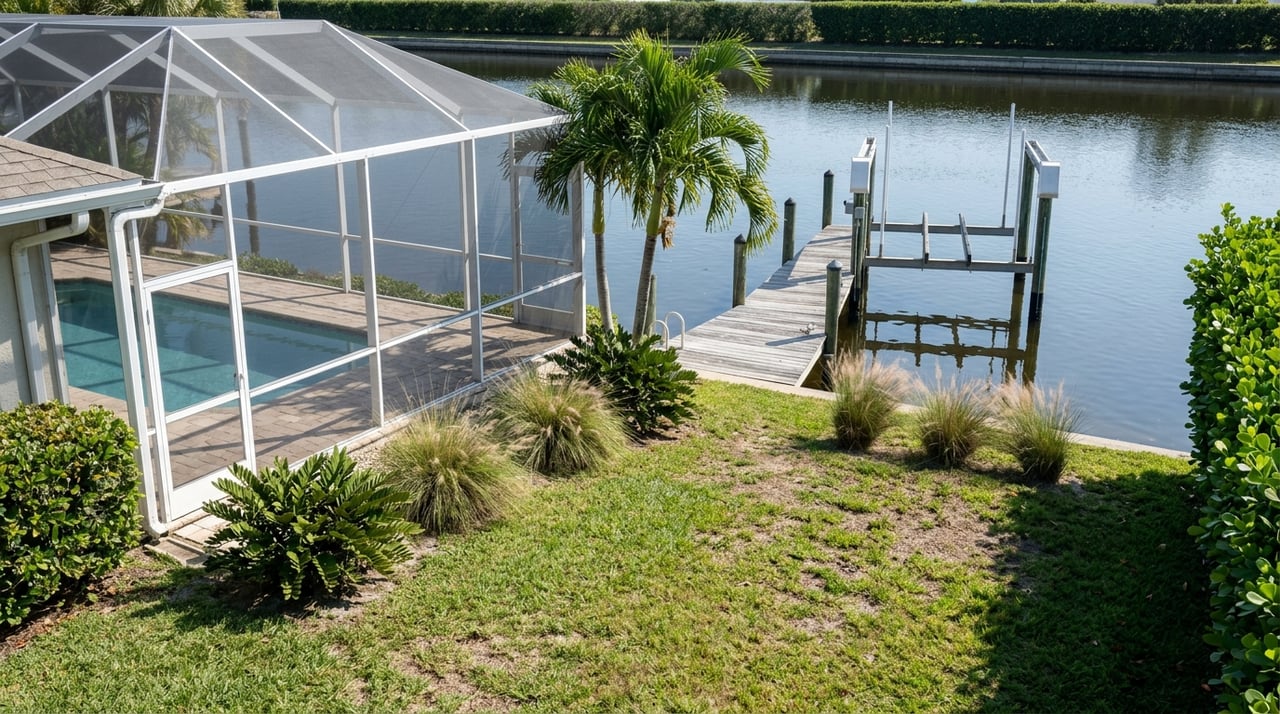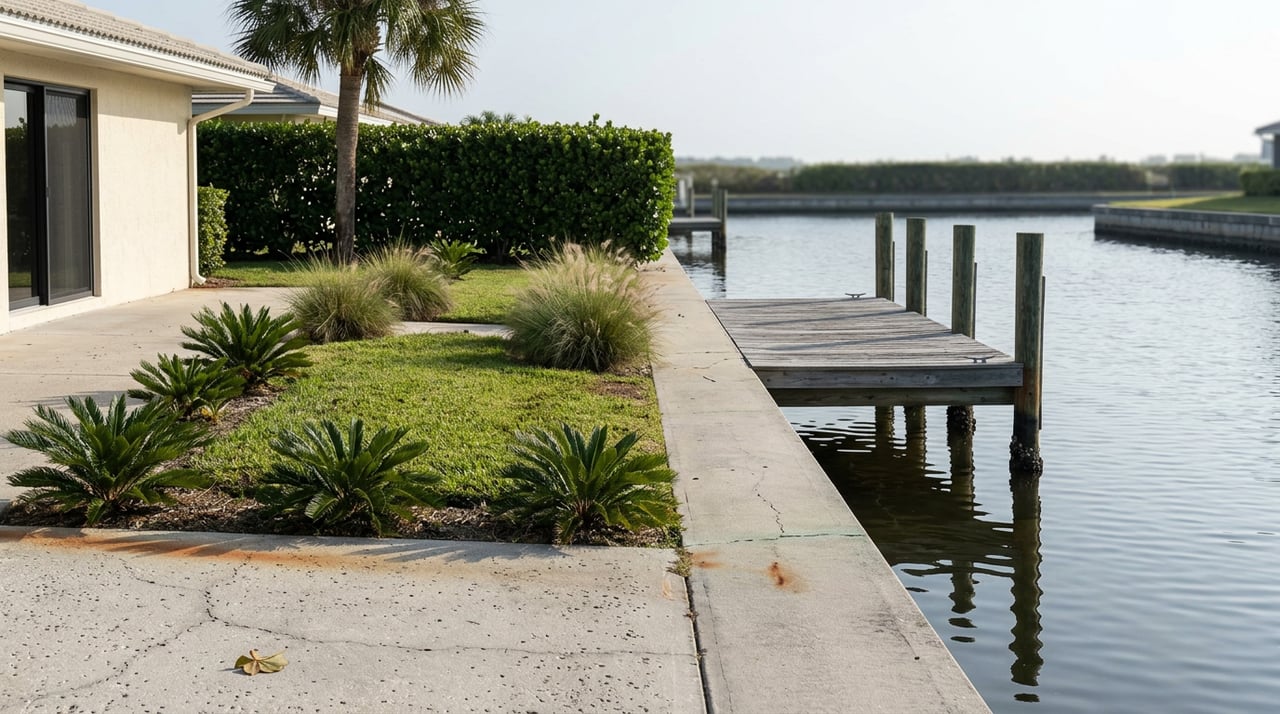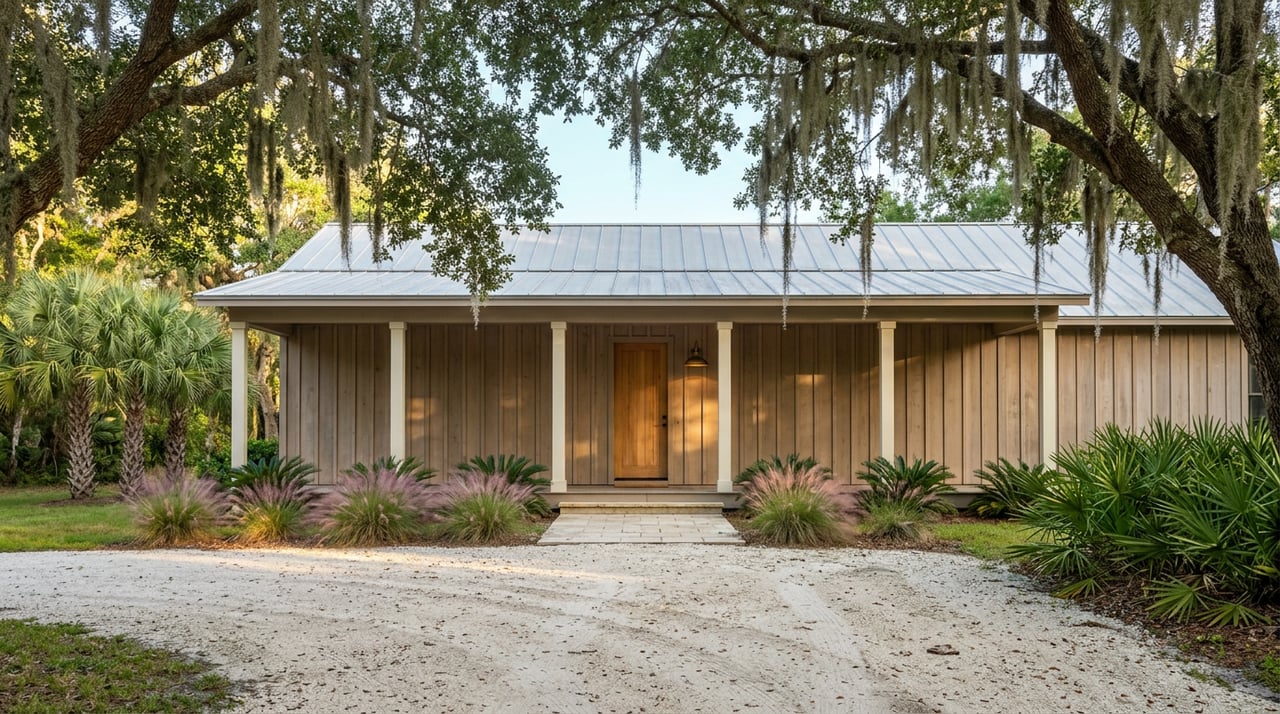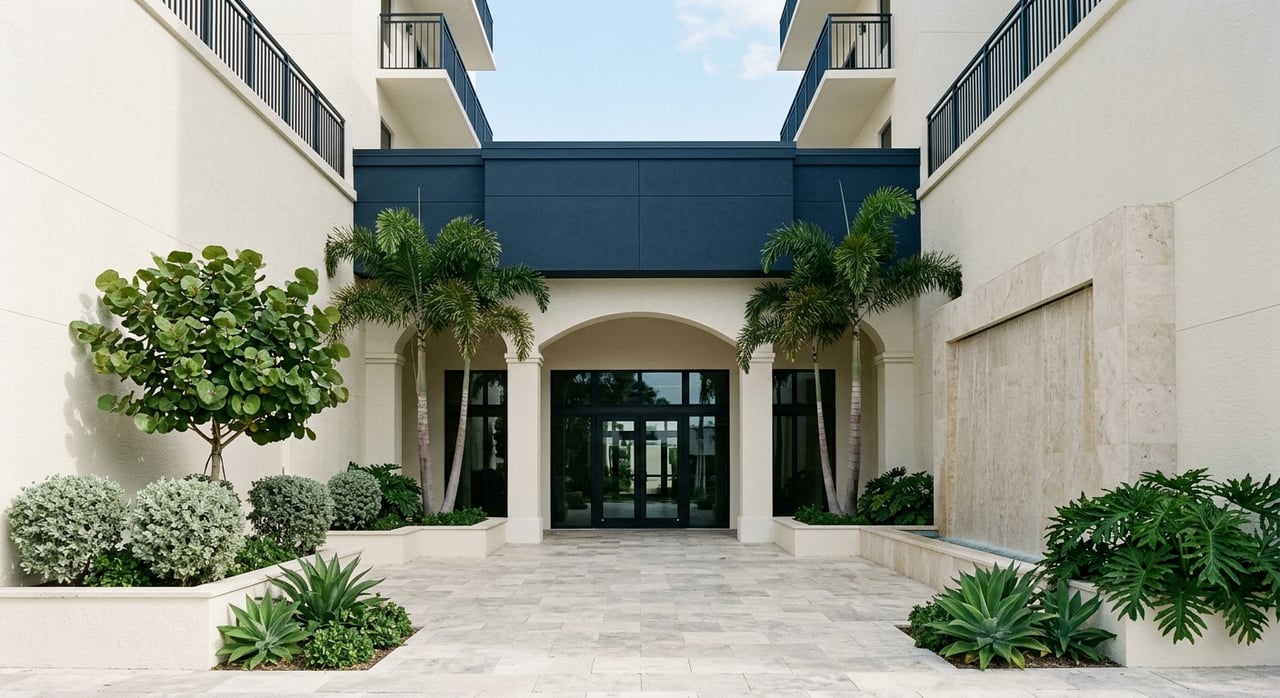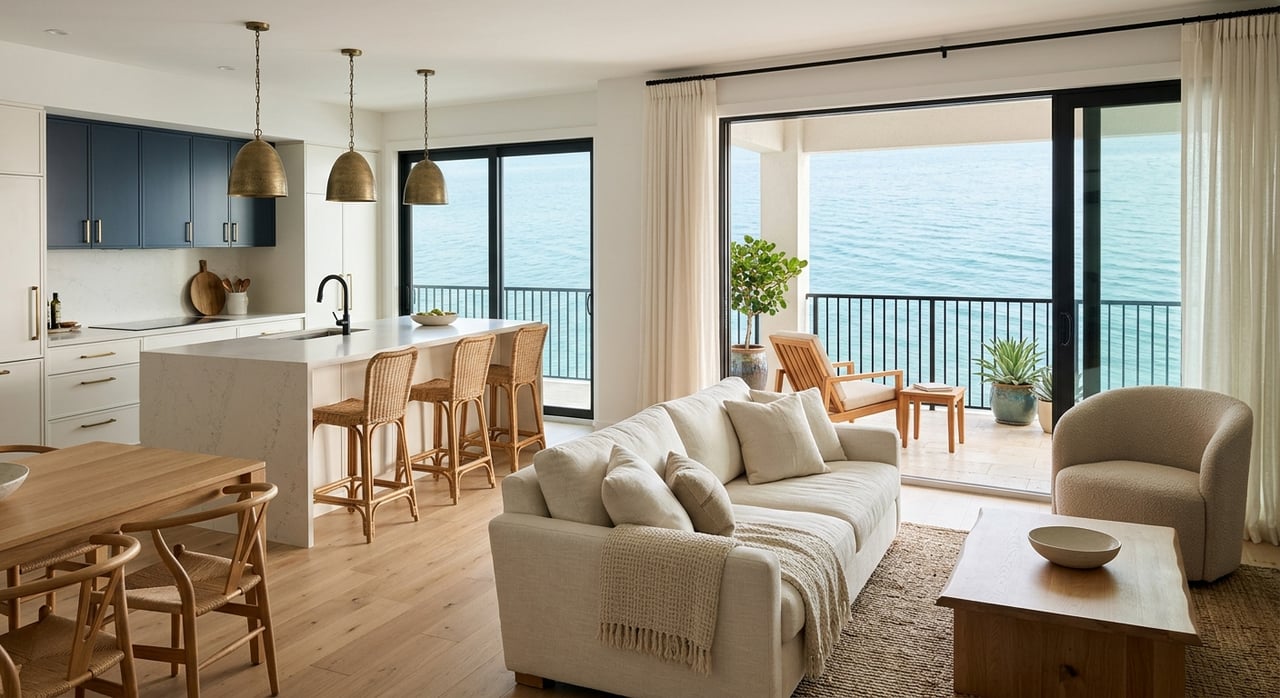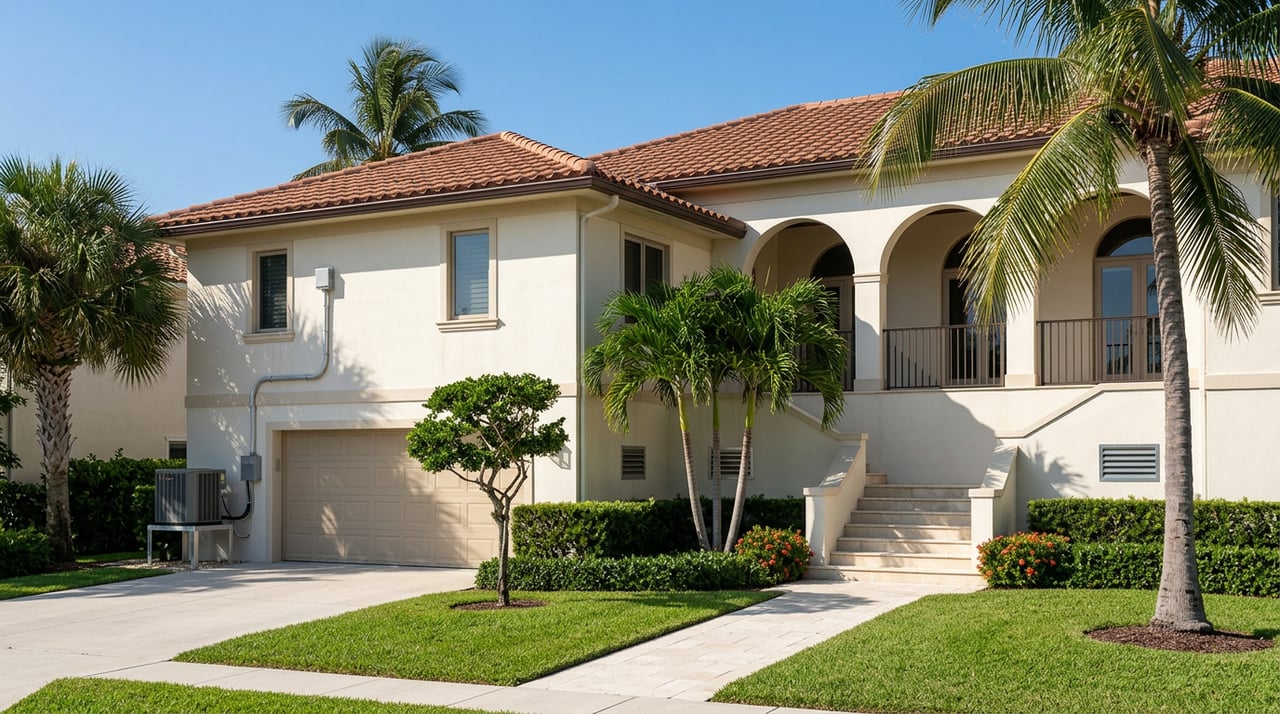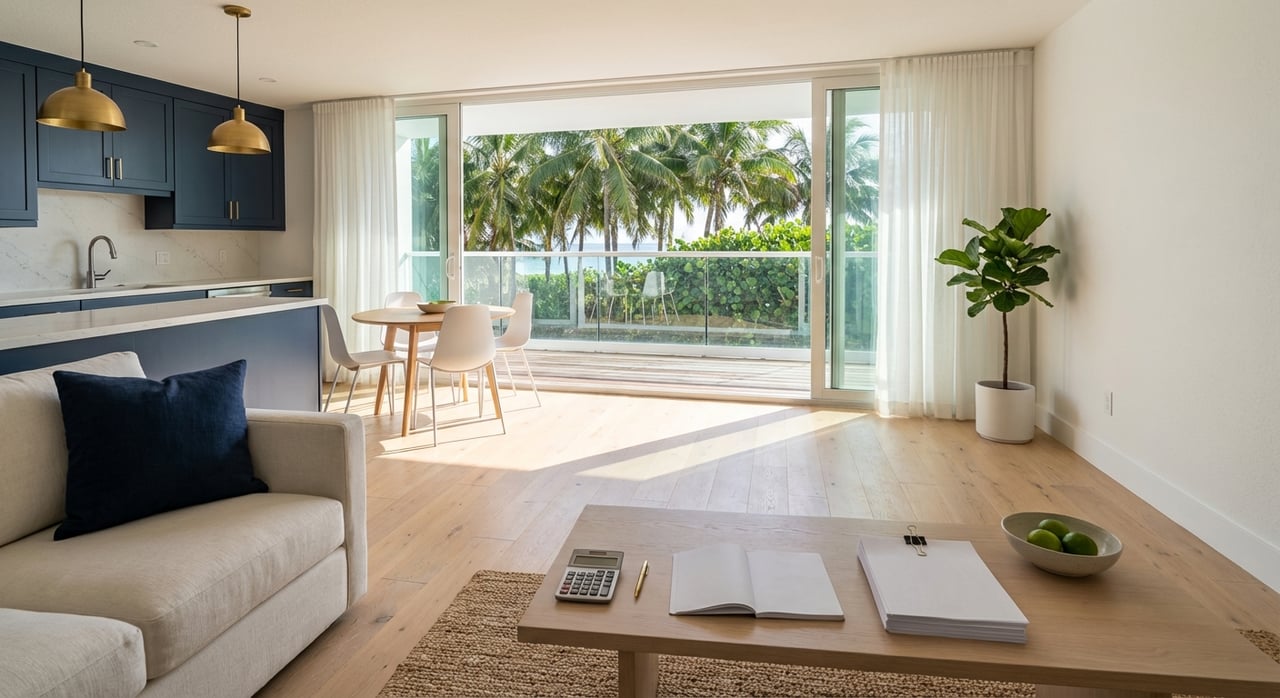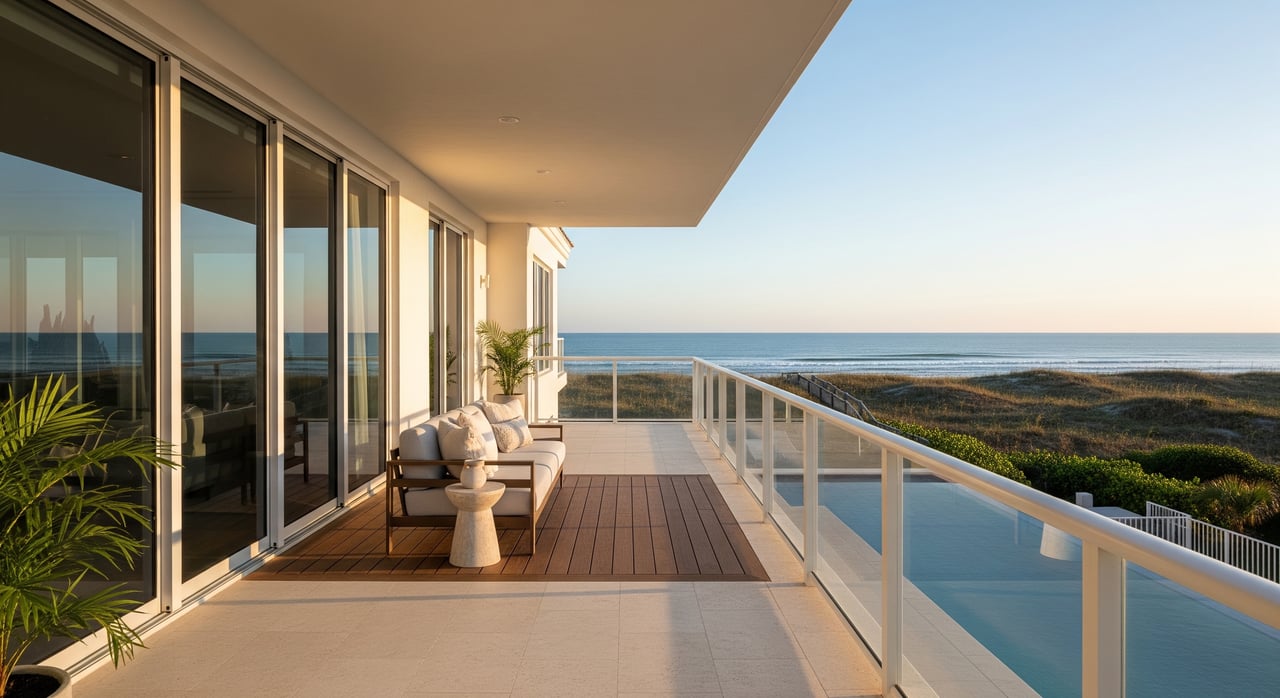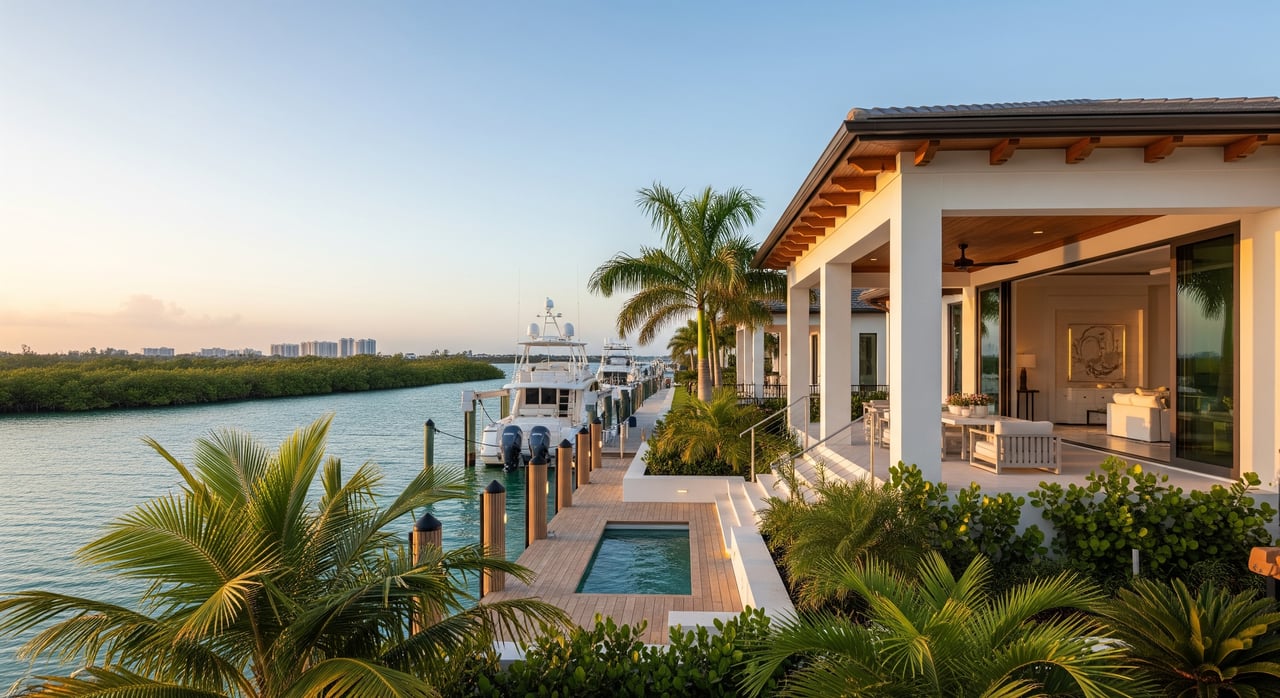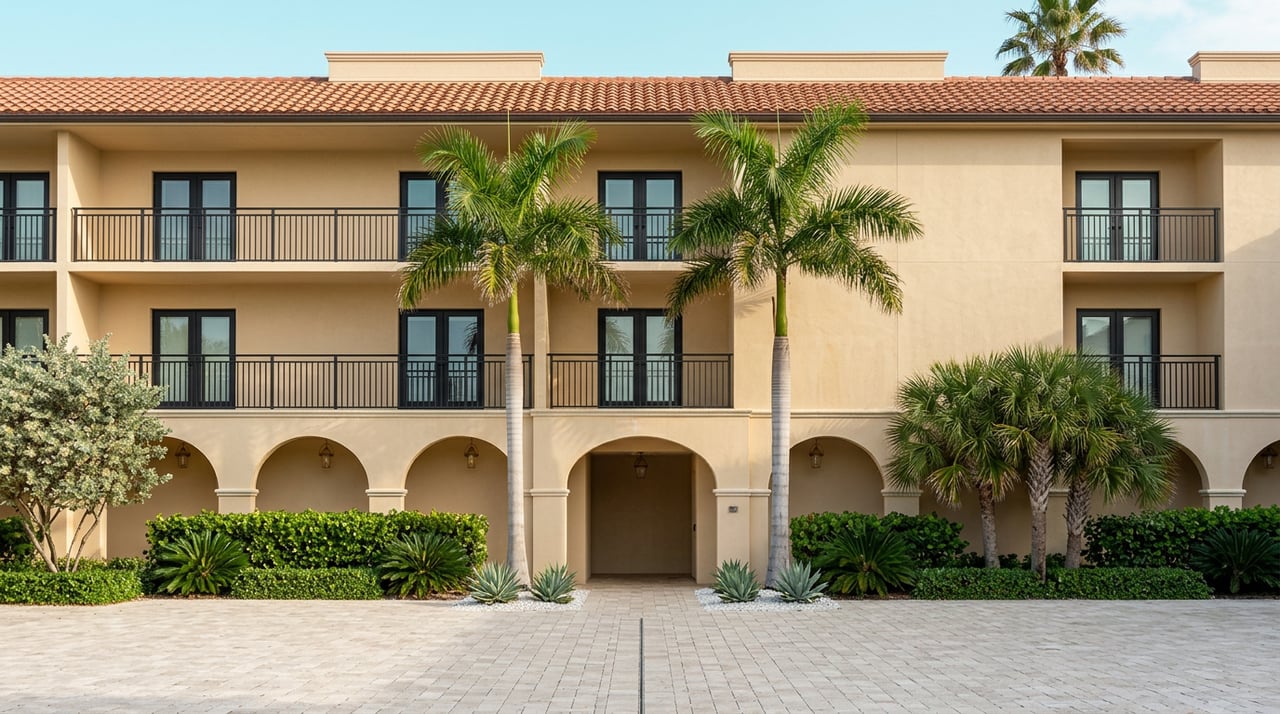
Two 2/2 oceanfront condos on Hutchinson Island can list within $10,000 of each other, share a hallway, and represent completely different financial commitments. One building finished its Phase 1 milestone inspection with a clean report and a fully funded reserve line for its roof. The one next door filed an extension, has a 22% funded SIRS, and just circulated a draft assessment schedule to owners. The MLS shows you neither.
The thesis of this post is simple. On Hutchinson Island in 2026, the median list price is a distraction. The number that actually predicts your total cost of ownership is the pairing of your building's certificate-of-occupancy year with its Structural Integrity Reserve Study funded percentage. Martin County's four-story height cap makes that pairing sharper here than almost anywhere else in Florida, because a small unit count is doing the assessment math with you.
Start with the seven business days, not the list price
Under 2026 Florida condo disclosure rules, a buyer has seven business days after receiving the association's governing documents to cancel the contract with no penalty. That window is the leverage. It starts on the day you actually receive the package, not the day the contract is signed, and any competent buyer's agent will make that distinction on the record.
Inside those seven business days, you are looking for a specific stack:
- Phase 1 milestone inspection report, sealed by a Florida-licensed engineer or architect
- The SIRS itself, with remaining useful life and current funded percentage for each of the eight non-waivable components
- Two years of budgets and actual financials, to confirm reserves are being funded per the study rather than promised on paper
- Five years of special assessment history, levied and pending
- Master insurance policy, most recent renewal, and any carrier notices
If the association tells you these are "unavailable," that is the finding. Florida statute requires them to be produced. On Hutchinson Island, where the Hutchinson Island President's Council of Martin County has been meeting since July 14, 2021 to help boards share exactly this kind of document work, there is no honest excuse for a package that is not ready.
Why age matters more here than on a portal
Coastal buildings within three miles of the shoreline hit their first milestone inspection trigger at 25 years from certificate of occupancy under Florida Statute 553.899, not the inland 30. The entire Martin County stretch of Hutchinson Island qualifies as coastal. Any 3+ story condo built before roughly 2001 is already inside the window.
Most of the island's condo inventory was built between the 1970s and the early 2000s, which means the question of whether milestone applies is almost always yes. The question is what came out of Phase 1.
| Building | Certificate of Occupancy | Approximate age in 2026 | Structural status question a buyer should ask |
|---|---|---|---|
| Hutchinson House (Jensen Beach, 5 stories, 121 units) | 1974 | ~52 years | Is Phase 2 testing complete, and were the findings folded into the current SIRS funding plan? |
| Sailfish Point North (4 stories, 63 units) | 1981 | ~45 years | Does the community's private club infrastructure sit on the same reserve schedule as the residential structure? |
| Dune Condominium (Jensen Beach, 31 units) | 1983 | ~43 years | With only 31 units, how is a Phase 2 finding allocated per door? |
| Ocean Village (mid-2000s builds, north end near Fort Pierce) | mid-2000s | ~20 years | Is the community treating milestone as still years away, or already coordinating with SIRS work? |
| Harbour Isle (newer intracoastal) | 2000s | ~20 years | Was SIRS baked into the original financial model, or added later? |
None of these buildings is disqualified by age. The point is that "oceanfront 2/2 on Hutchinson Island" is not a category. It is fifty different balance sheets.
The low-rise math is not the same as tower math
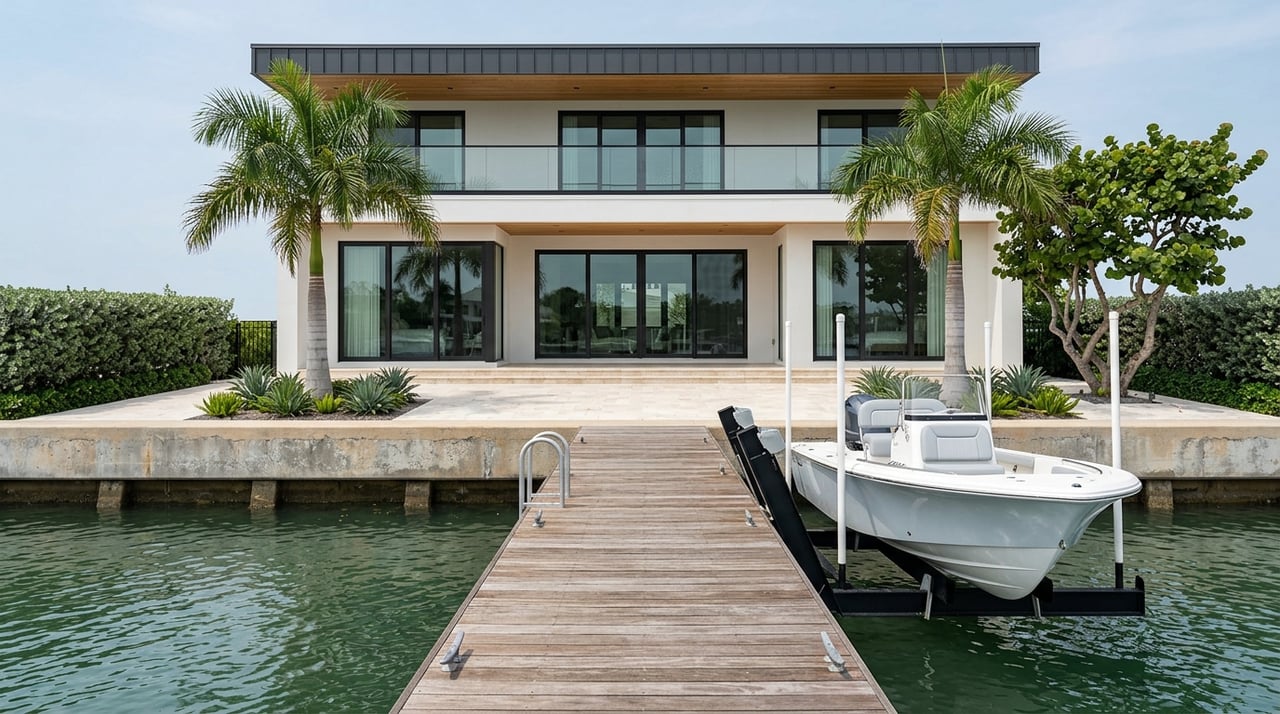
Martin County caps building height at four stories, roughly 40 feet, countywide. That is why the Martin County half of Hutchinson Island has none of the tower silhouettes you see across the county line, and why boat-slip communities like the Townhomes at Marina Point at Sailfish Point can sit in the same neighborhood as the Condominiums at 2001 and The Isles without a single high-rise between them.
The height cap changes the SB 4-D economics in a way that portal calculators miss. Phase 1 milestone inspection costs land in the $8,000 to $25,000 band for a 10 to 30 unit low-rise, versus $50,000 to $150,000 or more for a large high-rise. The absolute number is smaller. The divisor is also smaller. A $500,000 concrete restoration in a 30-unit building is a very different per-door bill than the same project spread across 200 units in a Broward tower.
That is the buyer's real question. Not "how big is the assessment," but "how big is the assessment divided by unit count, plus how much of that has already been reserved."
Statewide, that math is already showing up in prices. Florida condo inventory is up 38% year over year with 13.2 months of supply, pending condo sales dropped 21%, and condo values in major Florida markets are down 4.7% to 9.9%. Hutchinson Island's own reading, per a July 7, 2026 absorption snapshot, sits at roughly 120 months of inventory across all price segments. That is not a normal buyer's market. That is a market repricing structural risk in public.
Insurance is now downstream of the milestone binder
Before SB 4-D, condo insurance in Florida was priced on wind exposure, roof age, and claims history. In 2026, carriers writing master policies and HO-6 policies are reading milestone reports and SIRS funding percentages before they quote. Some have stopped writing older non-compliant buildings entirely.
That underwriting shift has already reordered the local insurance market. Citizens Property Insurance's Martin County personal-residential multiperil policy count fell from 8,770 policies at March 31, 2024 to 1,543 at May 31, 2026, roughly an 82% decline, with zero personal wind-only policies remaining. Martin County is now overwhelmingly a private-carrier county, which means the underwriting standards described above are the market, not a boutique.
The practical translation for a buyer:
A clean Phase 1 report and a SIRS at 60% funded or better is an insurance asset. A missing Phase 1 report or a SIRS at 15% funded is a financing problem waiting to happen, because FHA and VA loans may be unavailable for non-compliant buildings, and private lenders are increasingly asking the same questions.
Loss assessment coverage on the HO-6 is where the two conversations meet. It is the line item that steps in when the master policy deductible is divided among unit owners after a covered loss. Its cost, and in some cases its availability, tracks with the same milestone and reserve documents you are already reading.
What 120 months of inventory actually buys you
A buyer's market on paper is worth nothing if the buyer does not use it. On Hutchinson Island in mid-2026, the leverage is genuine, and it is best spent on paperwork, not price.
Three moves the current market rewards:
- Ask for the full document package before you write the offer, not after. Sellers who cannot produce it are telling you what the association looks like. Sellers who can are signaling a well-run building, which is worth paying for.
- Time the seven-business-day clock to the delivery date, and use every day of it. Days one and two on the Phase 1 report, days three and four on the SIRS and financials, days four and five on special assessment history, days six and seven on insurance renewals and any carrier notices.
- Match building age to price expectation. A 1974 Hutchinson House unit and a 2000s Harbour Isle unit are not comparable inventory even at similar list prices. The older building has a longer paper trail. The newer building has fewer decades of deferred maintenance to catch up on. Both can be excellent purchases. They are not the same purchase.
For sellers on the other side of the table, the same math runs in reverse. Well-documented, well-reserved buildings can hold price in a market where the median is drifting. Underfunded buildings should expect price discovery to be blunt.
A short FAQ for the questions the median hides
If a building's milestone deadline was December 31, 2025 and it did not file, is that a deal-breaker? Not automatically. Extensions and delays are common, and the DBPR Division of Condominiums tracks compliance separately from any individual transaction. What matters is whether the board has a signed engineering contract, a scheduled inspection date, and a communication trail to owners. No trail is the deal-breaker, not the missed date.
Does the Martin County four-story cap protect me from the biggest assessment stories in the news? Partially. The cap keeps buildings out of the tower category where Phase 2 findings can run into eight figures. It does not exempt any 3+ story building from the milestone or SIRS requirements, and per-unit exposure in a small building can still be significant.
Are Sailfish Point condos treated differently because of the country club amenities? The residential structures follow the same statute as any other condo building three stories or higher. The club, marina, and golf infrastructure sit on their own operating and reserve schedules, which is why a Sailfish Point buyer should ask for both the condo association documents and the club's financial posture separately.
Should I factor the November 2026 property tax ballot amendment into my carrying cost model? The Martin County Property Appraiser has confirmed a proposed Florida constitutional amendment on the November 2026 general election ballot, which would take effect January 1, 2027 if approved by at least 60% of voters. Model your carrying costs both with and without it. Do not assume either outcome.
The Quinn Group at My Florida Insider reads these document packages for a living, building by building, from the north end near Fort Pierce Inlet down to the Sailfish Point gate. If you are comparing Hutchinson Island condos and want the numbers behind the median before you write an offer, talk to a local waterfront expert.