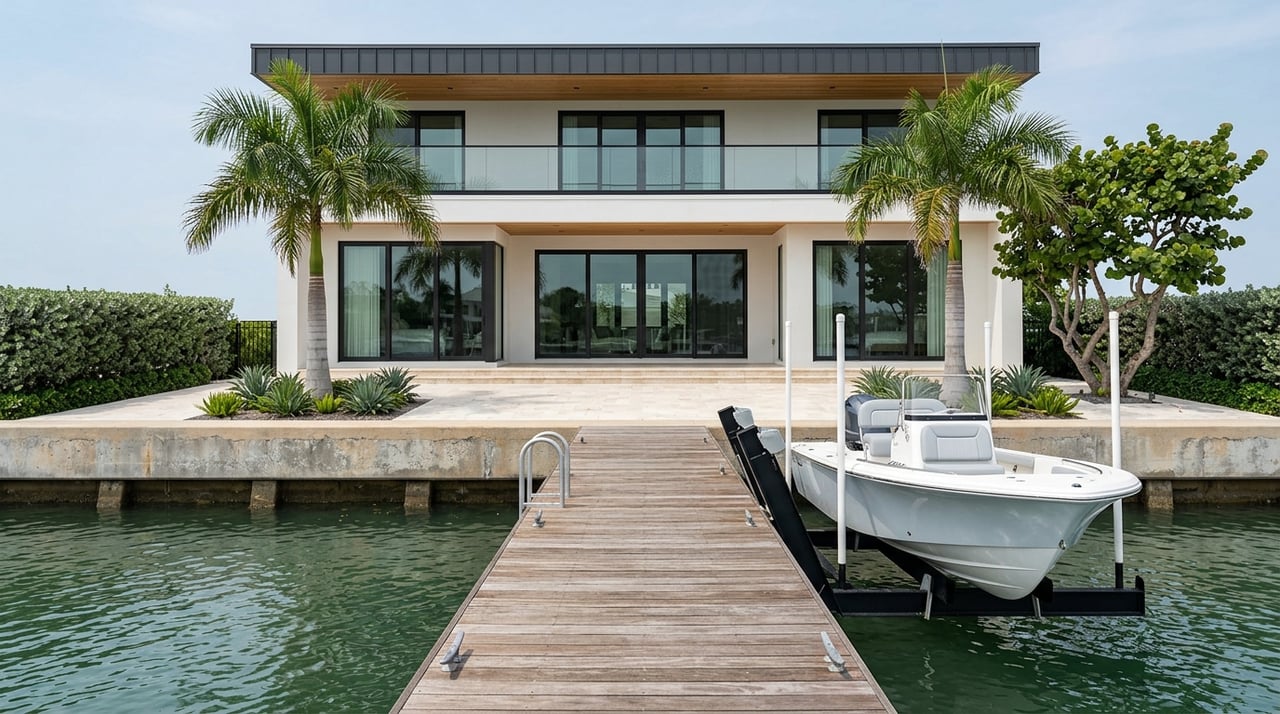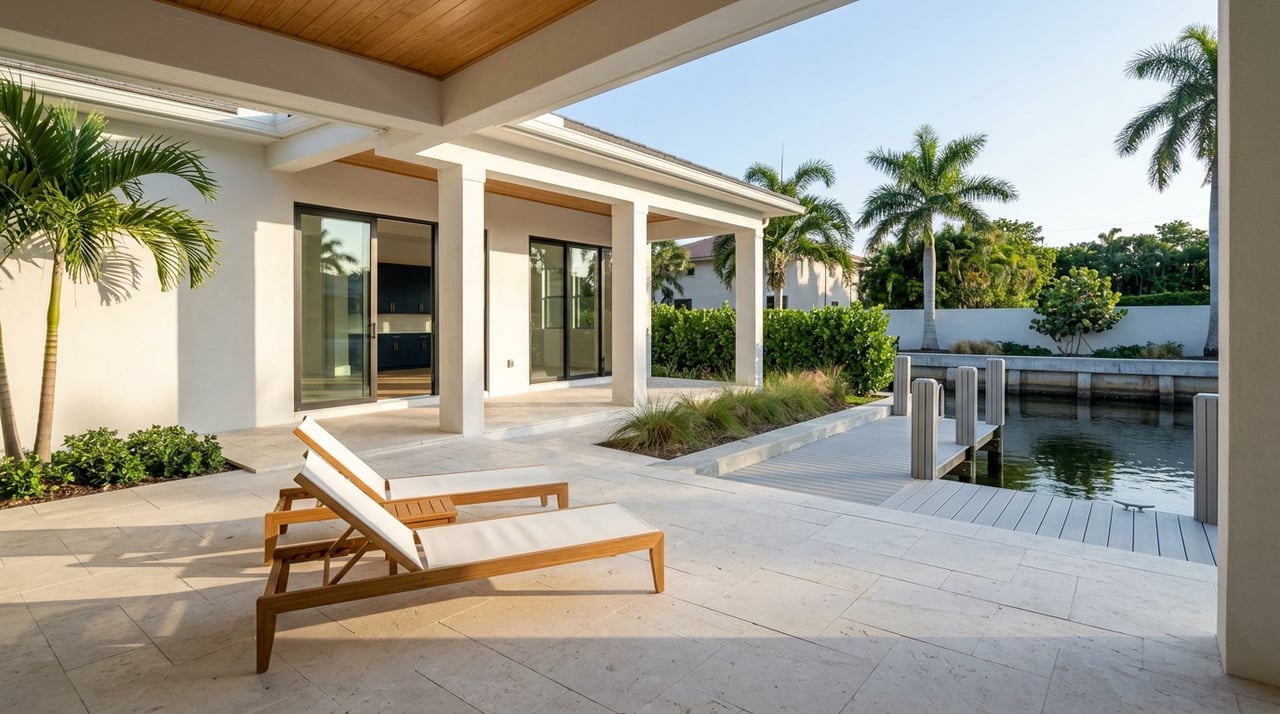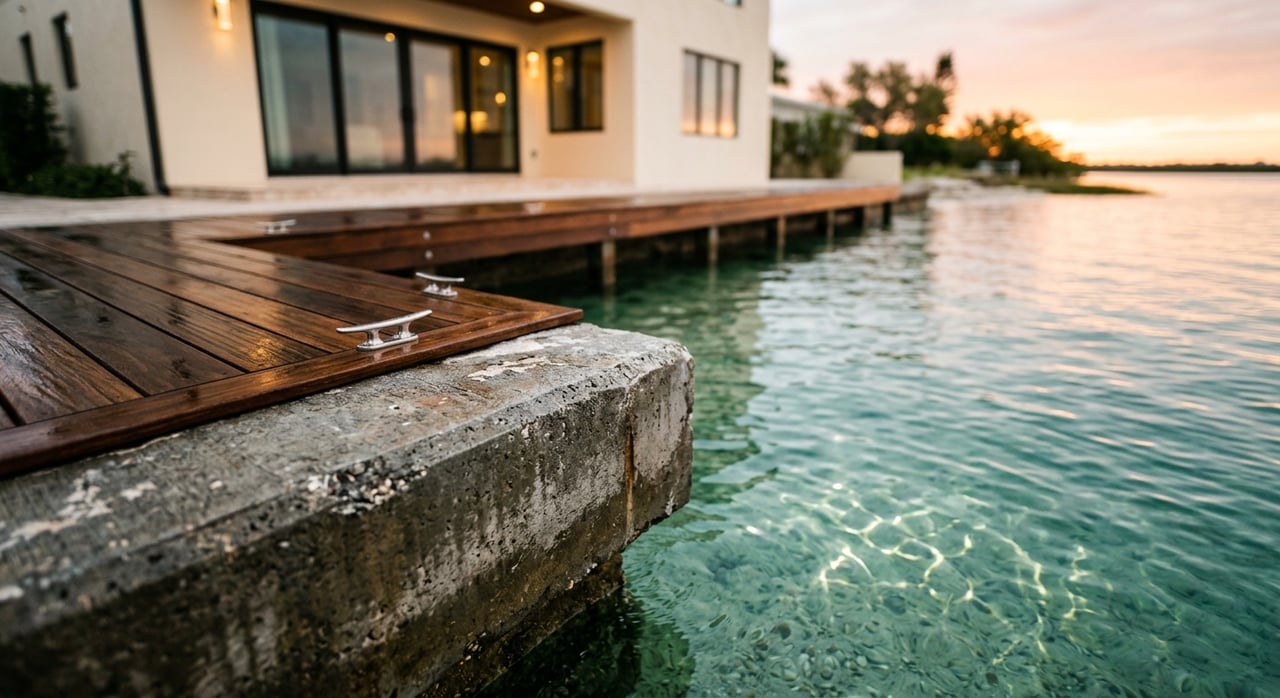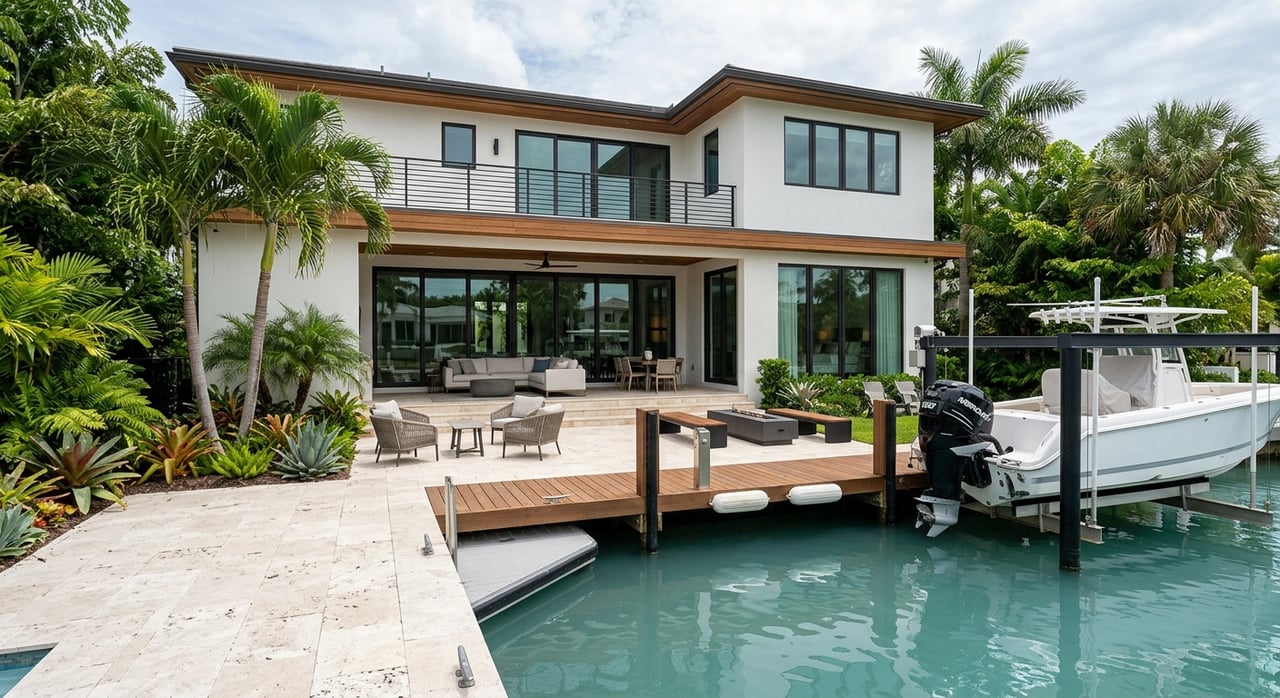
If you are getting ready to sell in Sewall's Point, it is easy to wonder if you should renovate first or list the home as it stands. In a coastal market, that decision is rarely about doing the biggest project. It is about choosing updates that help your home show better, reduce buyer concerns, and make sense for local pricing and property conditions. Let’s dive in.
Start With Market Position
Before you pick paint colors or call a contractor, start with how your home will compete in the current market. Florida’s April 2026 housing data showed a median sale price of $420,000 for single-family homes, a median time to contract of 44 days, and 4.7 months of supply. That kind of market often rewards smart, selective improvements more than a full pre-sale remodel.
In Sewall's Point, buyers are not only comparing style. They are also comparing condition, upkeep, and how a property stacks up against nearby sales. Martin County’s Property Appraiser notes that market value is based on comparable sales, with adjustments for factors like living area, construction quality, and year built.
That matters because the best renovation question is not, “What would I love to live with?” It is, “What will help my home compare better to other homes a buyer is considering?” That shift can save you money and keep your prep focused.
Focus on What Buyers Notice
For most sellers, the best return comes from improvements that are visible right away. Fresh paint, clean finishes, updated hardware, and tidy exterior spaces can make a strong first impression without turning into a major construction project. These updates often help buyers feel that a home has been cared for.
The National Association of Realtors reported in 2025 that agents most often recommend painting the entire home or at least one room before a sale. The same research also found that kitchen upgrades and new roofing scored high for homeowner satisfaction, but satisfaction is not always the same as resale payoff.
In practical terms, Sewall's Point sellers usually benefit most from a shorter list of buyer-facing improvements, such as:
- Interior paint in clean, neutral tones
- Decluttering and light staging
- Landscape cleanup and basic curb appeal work
- Minor fixture and hardware updates
- Touch-ups to worn or dated finishes
These projects help your home feel move-in ready. They also make it easier for buyers to picture themselves in the space.
Curb Appeal Matters More Than You Think
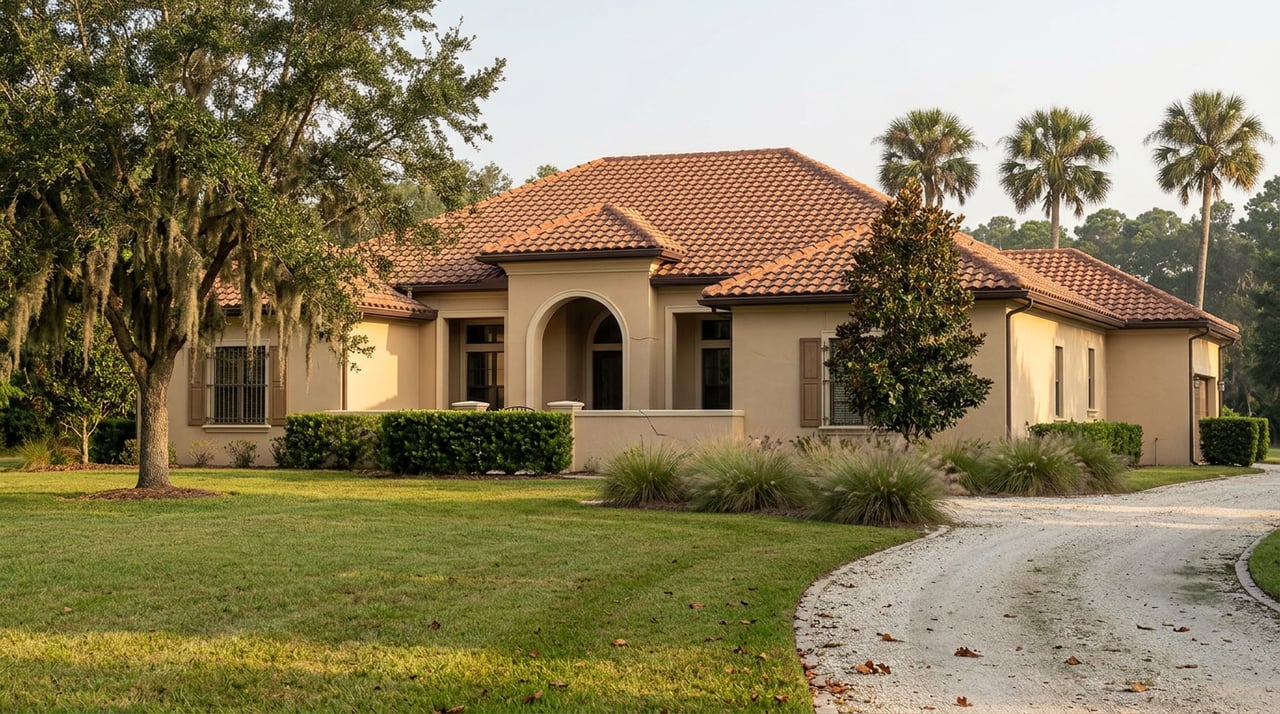
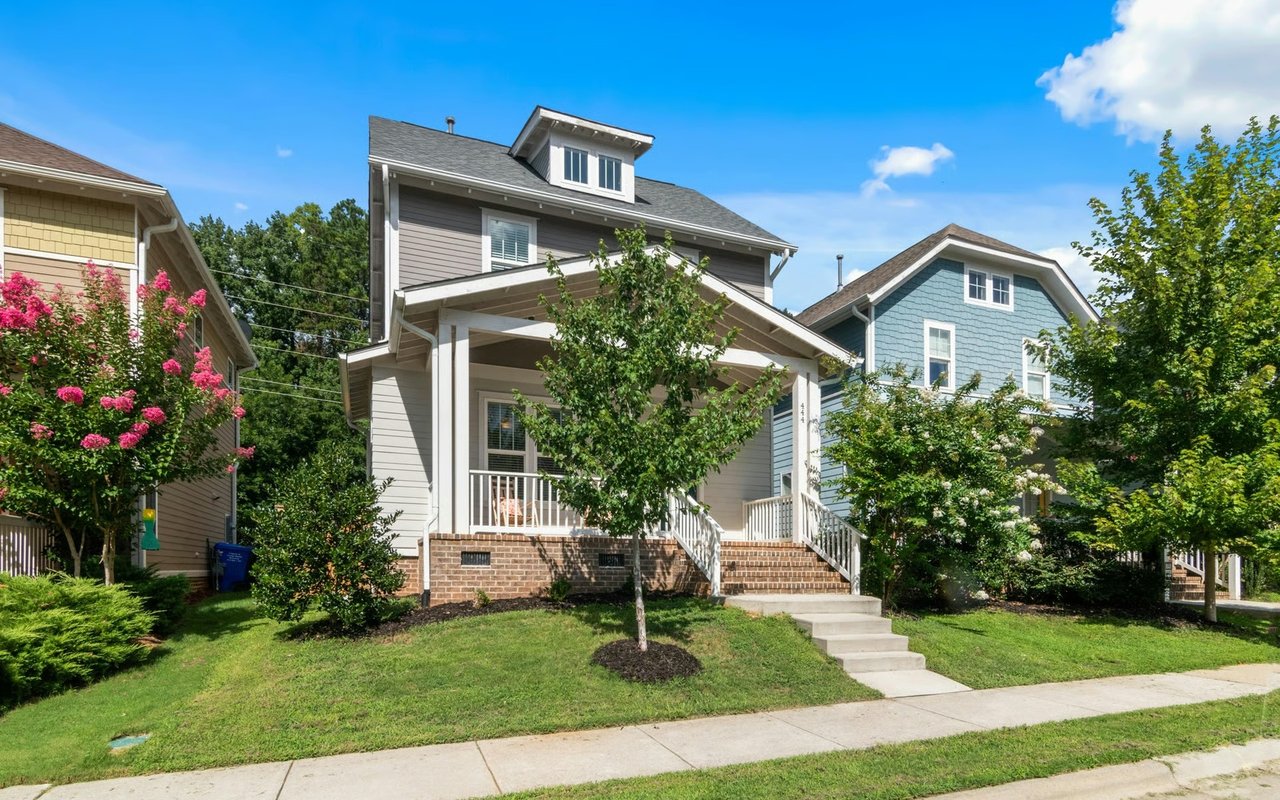
Buyers often form an opinion before they ever walk through the front door. That is one reason curb appeal can have such an outsized effect on showings and offers. In NAR’s 2025 outdoor-features report, 97% of Realtors said curb appeal is important in attracting a buyer, and 98% said it matters to potential buyers.
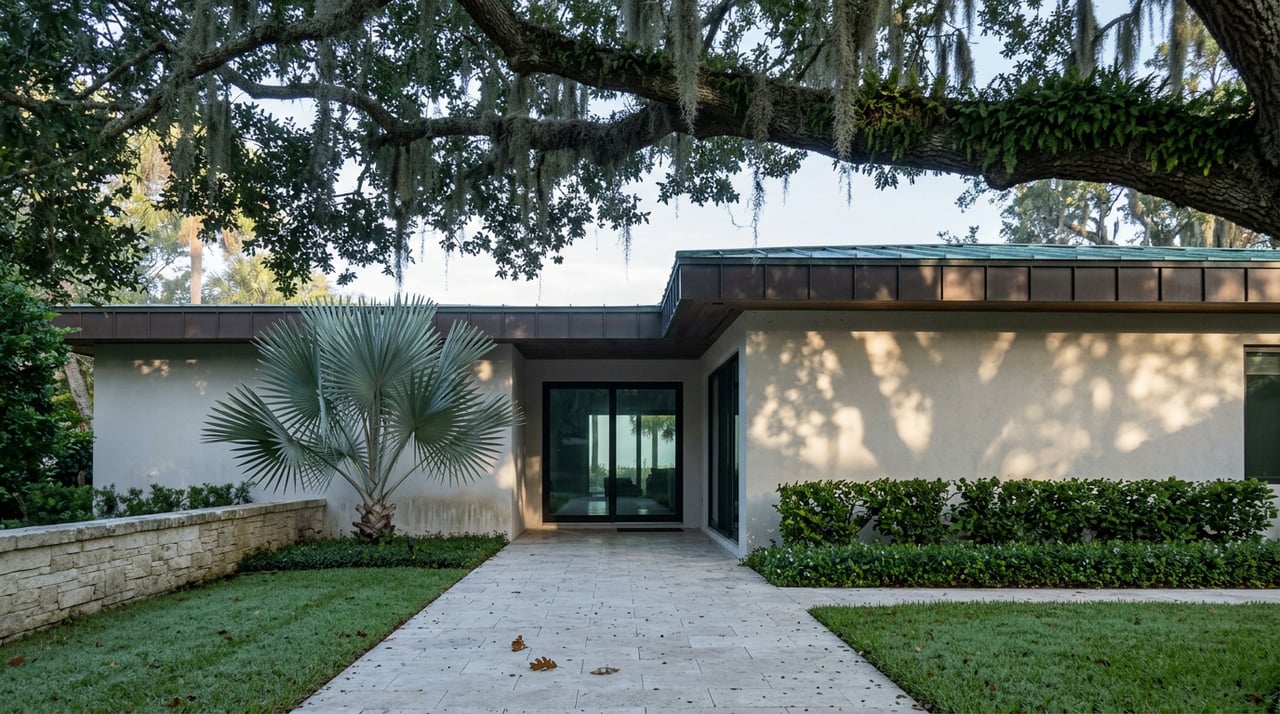
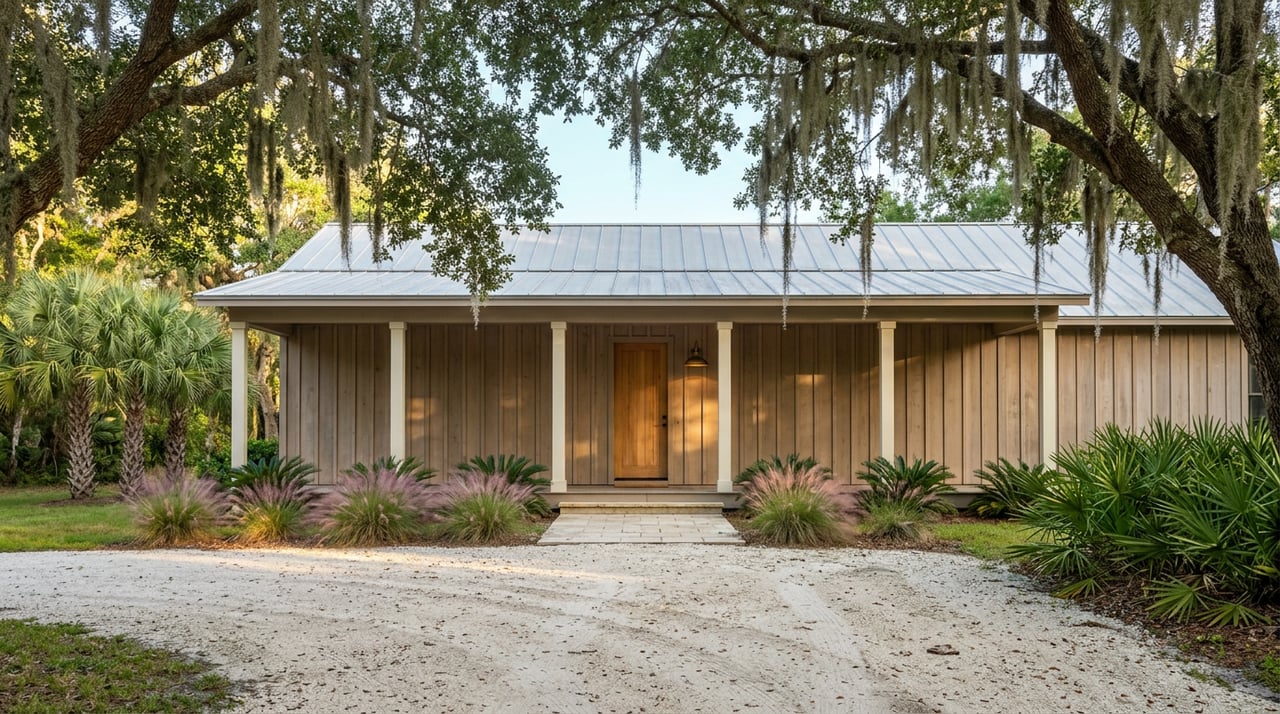
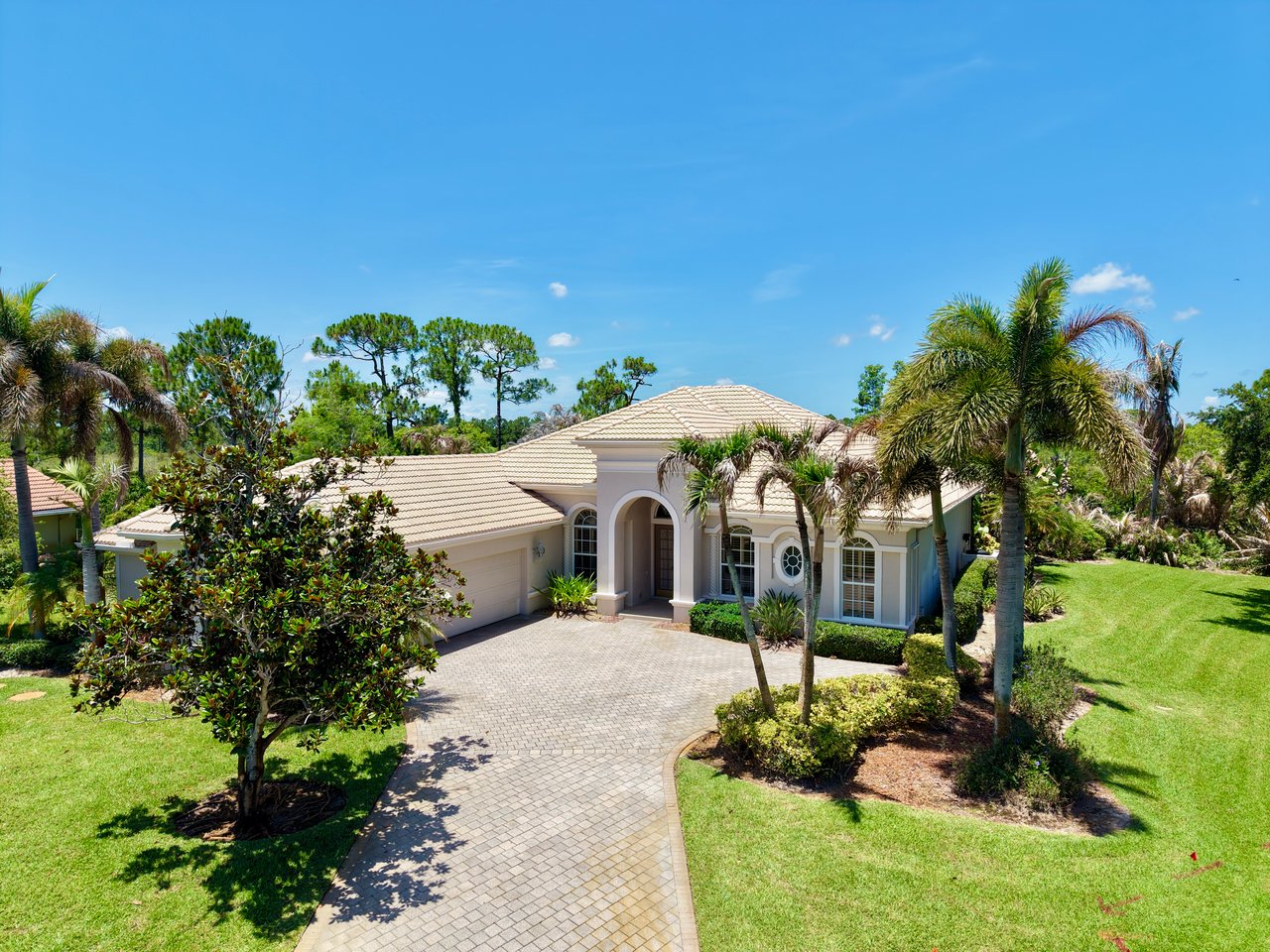
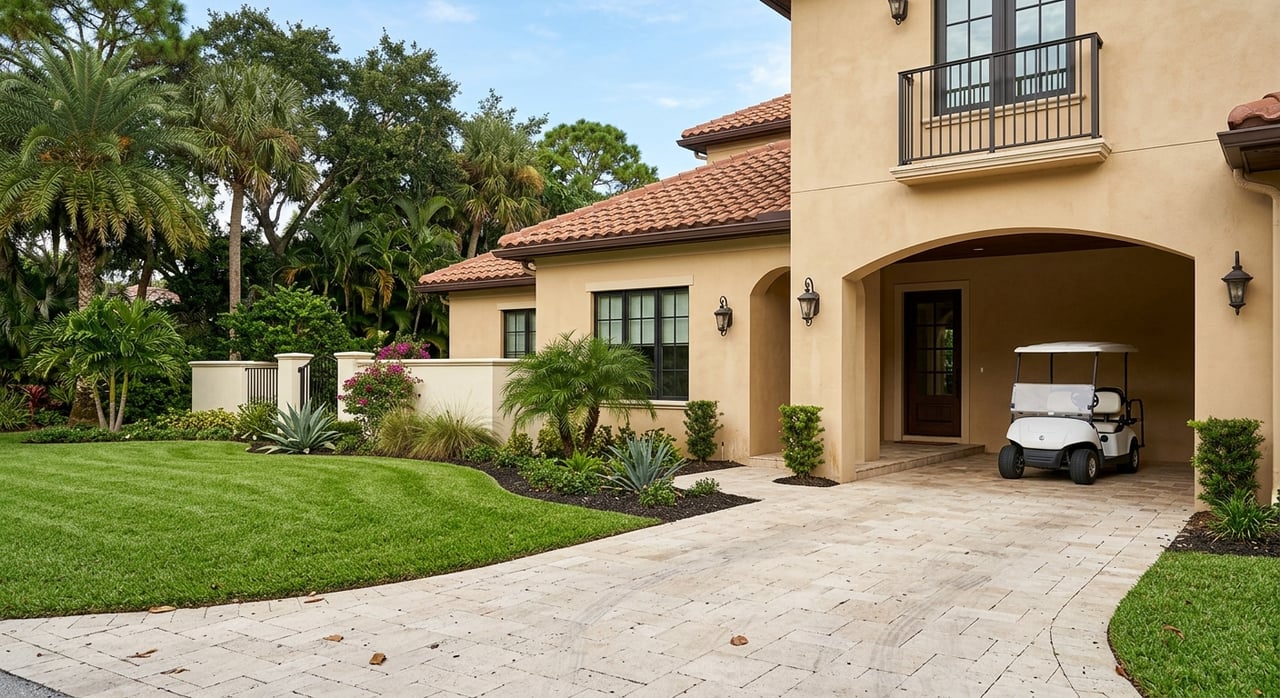
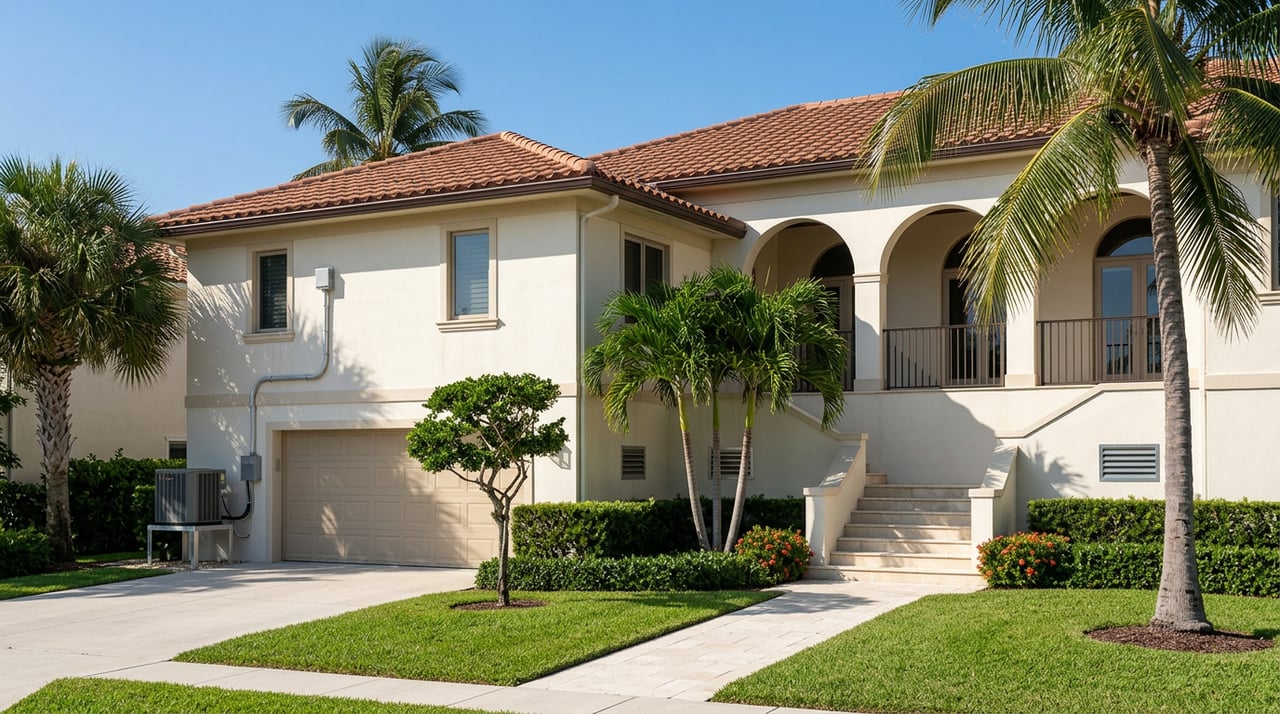
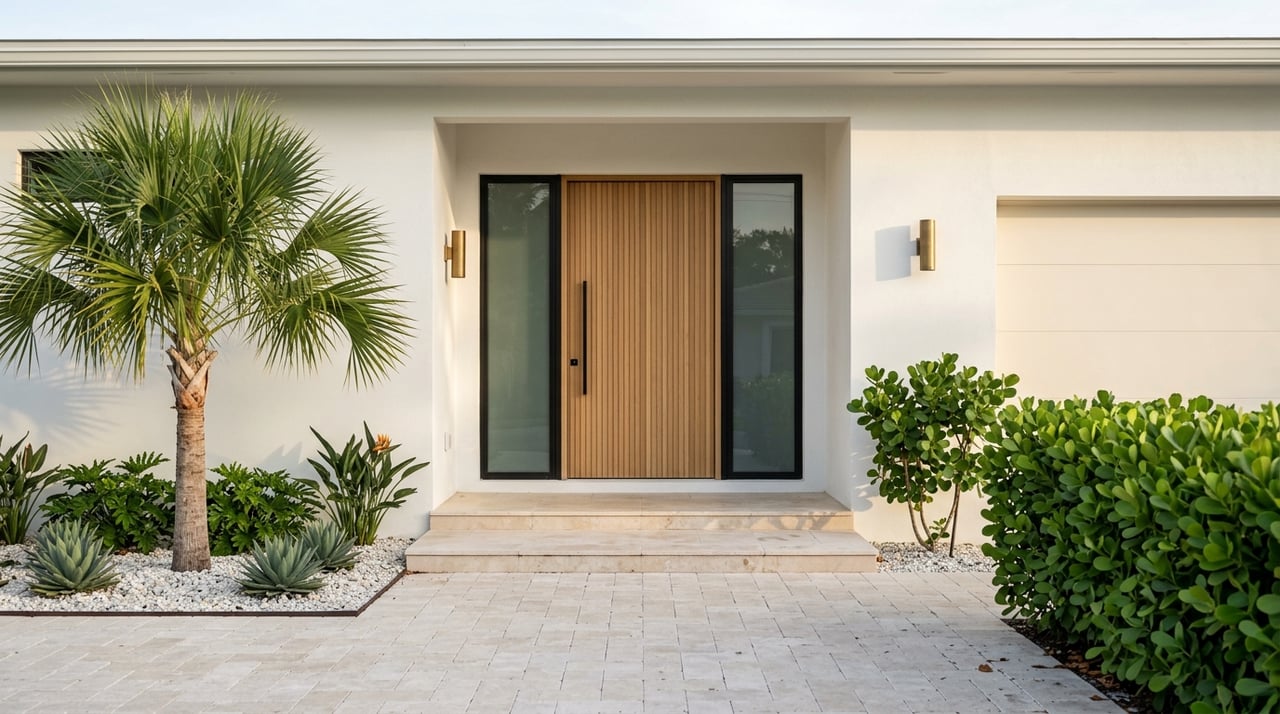
In Sewall's Point, curb appeal often means more than trimmed hedges and fresh mulch. It can also include the condition of exterior paint, the front entry, lighting, visible roof wear, and overall maintenance. Coastal exposure can make wear show up faster, so small signs of deferred upkeep may stand out.
Staging can help once buyers are inside. NAR’s 2025 staging report found that 83% of buyers’ agents said staging makes it easier for buyers to visualize a property as a future home. The living room, primary bedroom, and dining room were among the spaces most often staged.
Coastal Upgrades Can Influence Buyer Interest
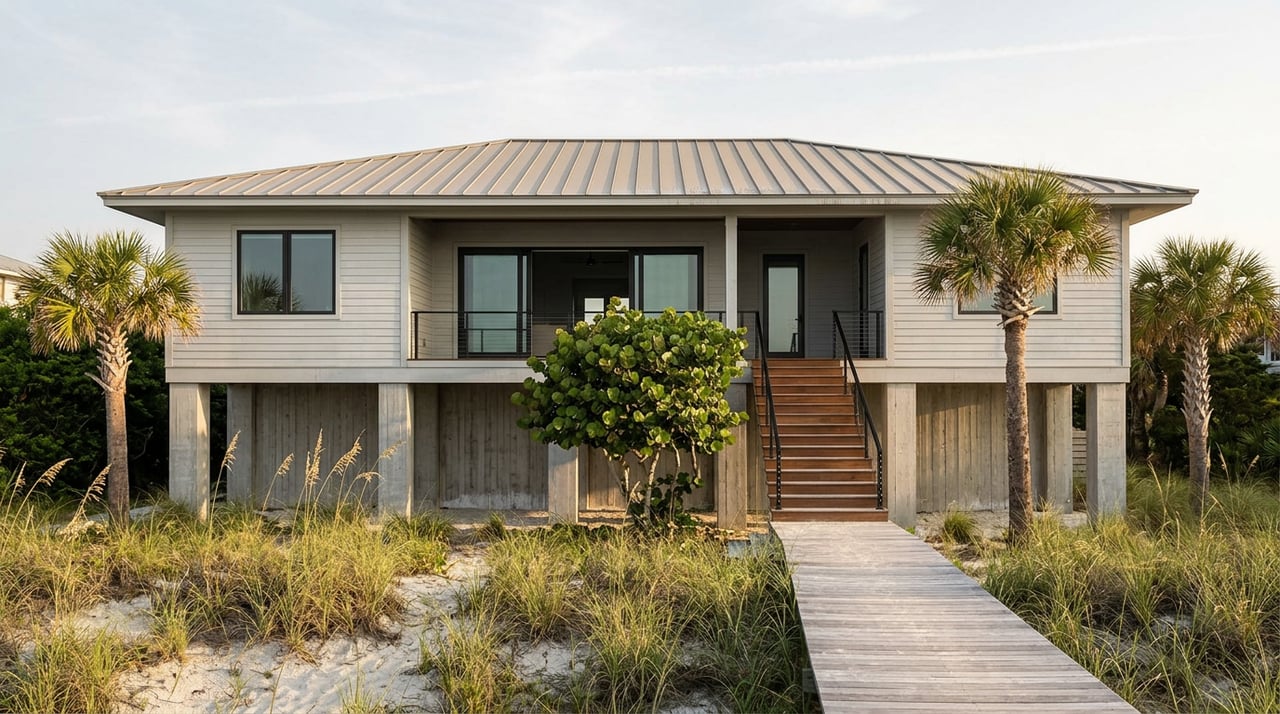
In Sewall's Point, buyers may pay close attention to more than finishes and layout. They may also ask about roof condition, impact protection, flood-related documentation, and insurance considerations. That is one reason some coastal-function updates can carry more value here than they might in an inland market.
Florida’s Department of Financial Services says insurers must offer discounts for hurricane-loss mitigation. Its guidance notes that securing the roof and protecting windows are among the most cost-effective measures for reducing windstorm premium, and wind-mitigation inspections can document features that qualify for credits.
That means improvements tied to storm protection may help in two ways. They can reduce buyer objections during due diligence, and they can affect the buyer’s future carrying costs. If your roof, shutters, or opening protection are older or undocumented, those items may deserve attention before cosmetic upgrades.
Renovations That Often Do Not Pay Back
Not every big project is worth doing before you sell. In fact, large, highly personalized remodels often return less than sellers expect. National remodeling data shows that what homeowners enjoy most is not always what produces the strongest resale recovery.
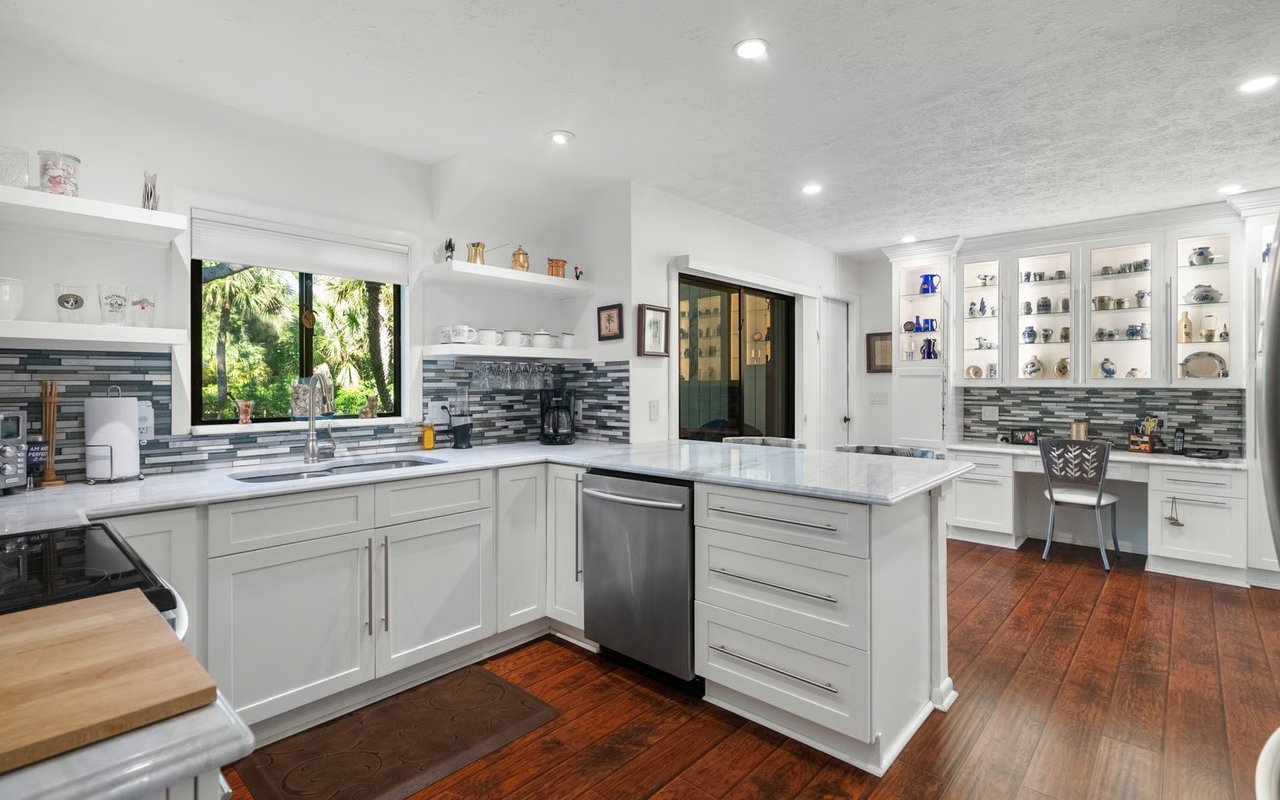
The 2025 South Atlantic Cost vs. Value report offers a useful benchmark for Florida sellers. It found that garage door replacement recouped 227.7% of cost, steel front door replacement recouped 219%, and a midrange minor kitchen remodel recouped 109.2%. Larger projects recovered far less, including a midrange major kitchen remodel at 50.2%, a midrange bathroom addition at 51.4%, and an upscale bathroom addition at 36.1%.
That does not mean every major project is a bad idea. It means you should be cautious about spending heavily unless local comparable sales clearly support the investment. In many cases, a modest refresh is safer than a full renovation that may not show up in the final sale price.
Watch Permits and Flood Rules
This is where Sewall's Point sellers need to be especially careful. Before starting major work, confirm what requires a permit and whether the scope could trigger added code or floodplain requirements. A project that seems simple at first can become much more expensive if it crosses certain thresholds.
Sewall's Point’s building department enforces zoning, floodplain, and building code requirements. Martin County’s permit guidance lists reroofing, window replacement, hurricane shutter installation, and kitchen and bath remodels among common permit-required projects. The county also states that permits are required before construction begins, and that installing windows and doors requires a permit.
Flood rules can change the math even more. Martin County says that if a structure in a Special Flood Hazard Area is substantially damaged or substantially improved, it must be brought into compliance with floodplain and building code rules, including elevation standards and related equipment requirements. The county also explains that cumulative improvements over a five-year period that meet or exceed 50% of the structure’s value can trigger the substantial-improvement test.
For some older coastal homes, that can turn a planned remodel into a much larger compliance project. It is one of the biggest reasons sellers should think carefully before taking on major pre-list work.
When Selling As-Is May Make Sense
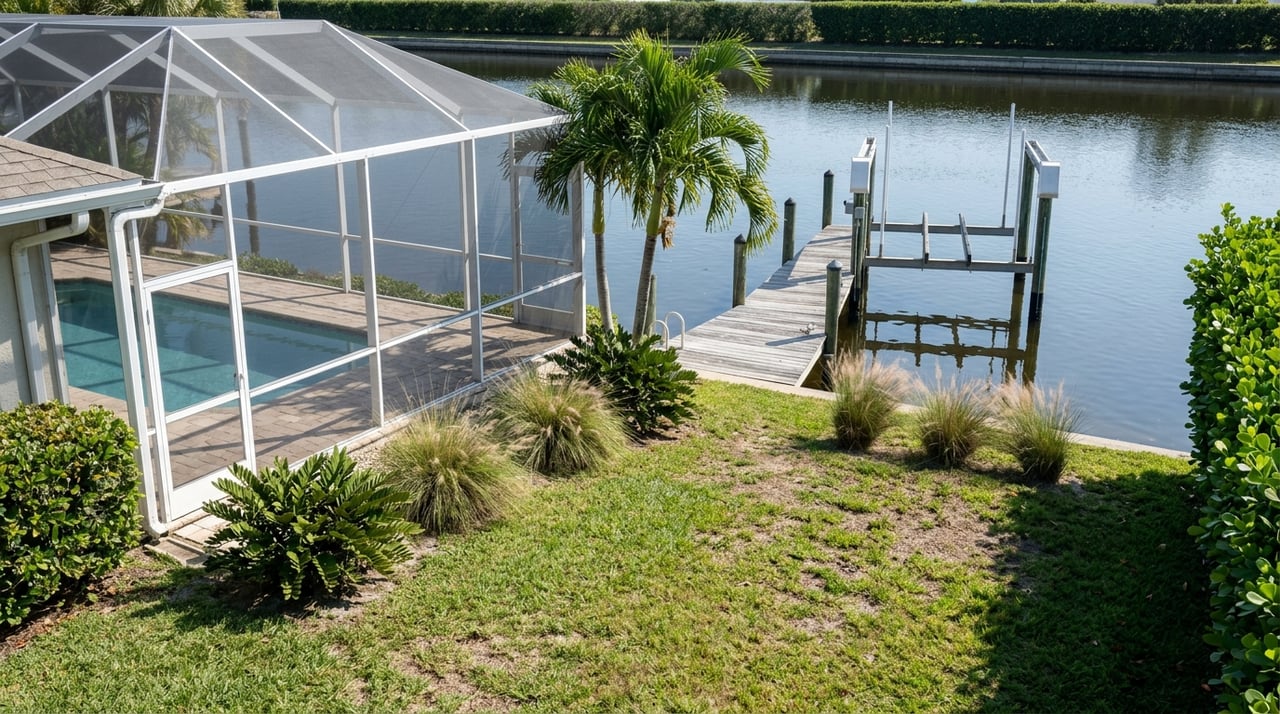
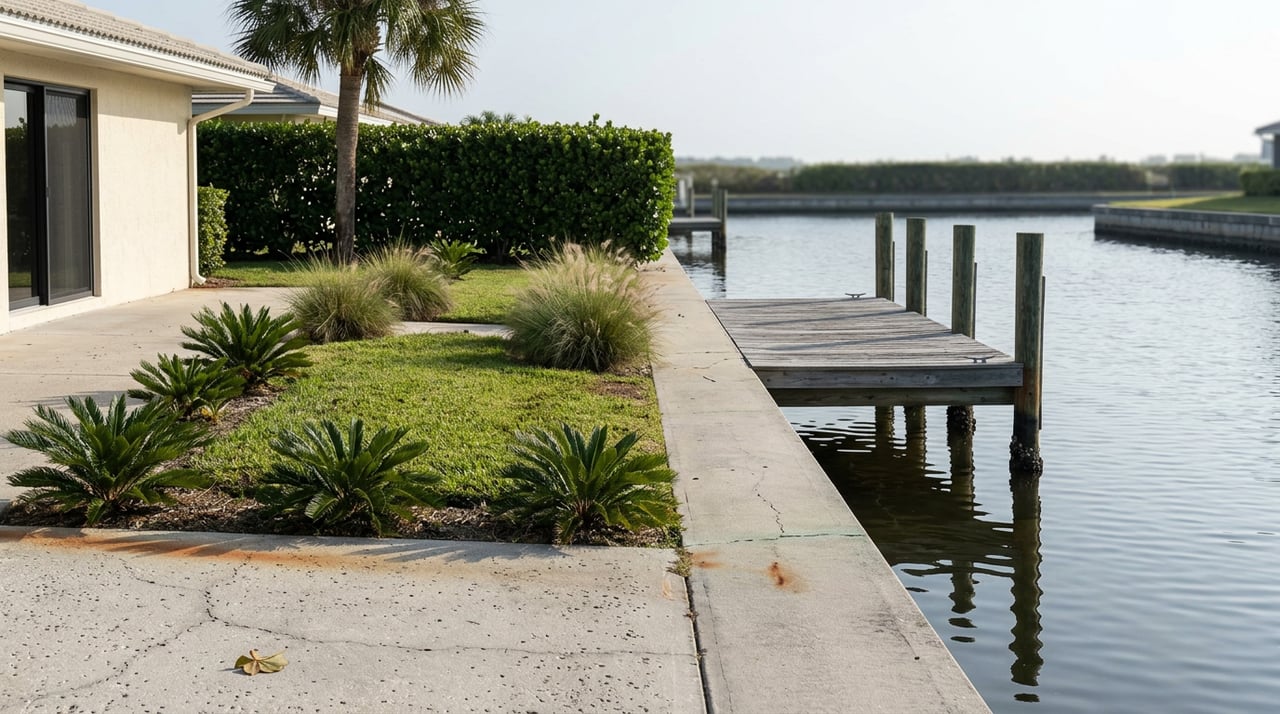
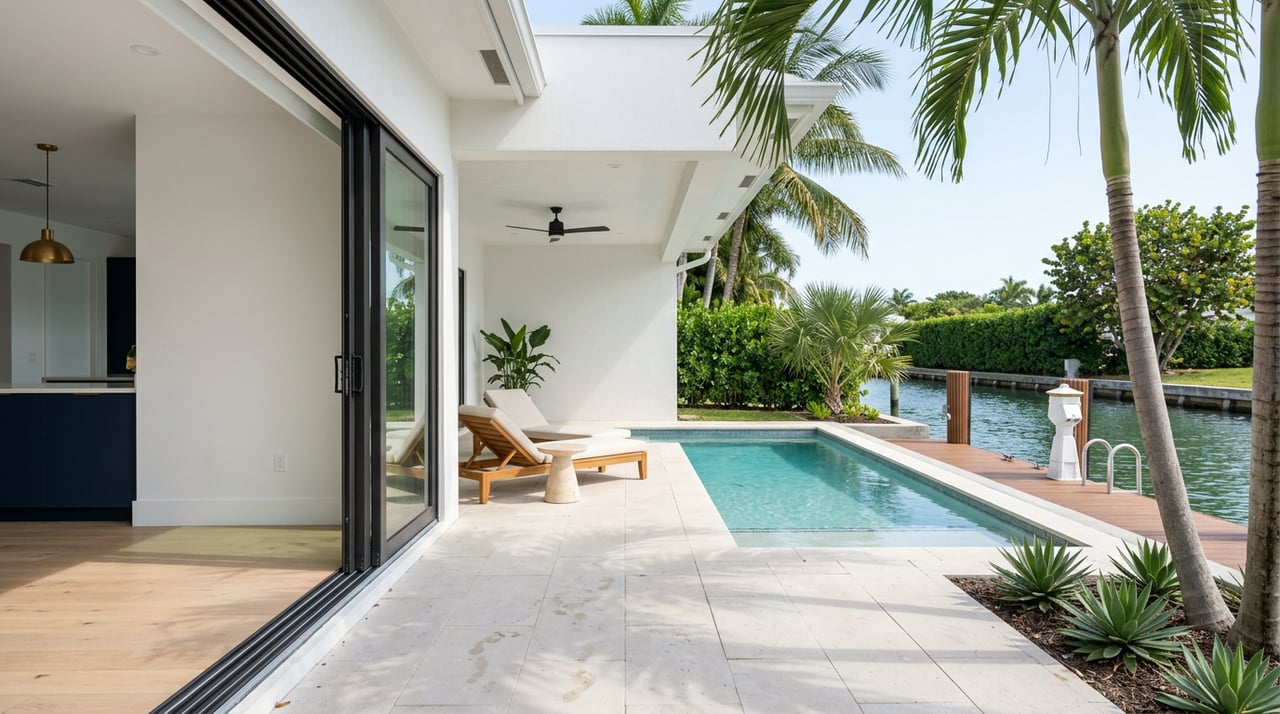
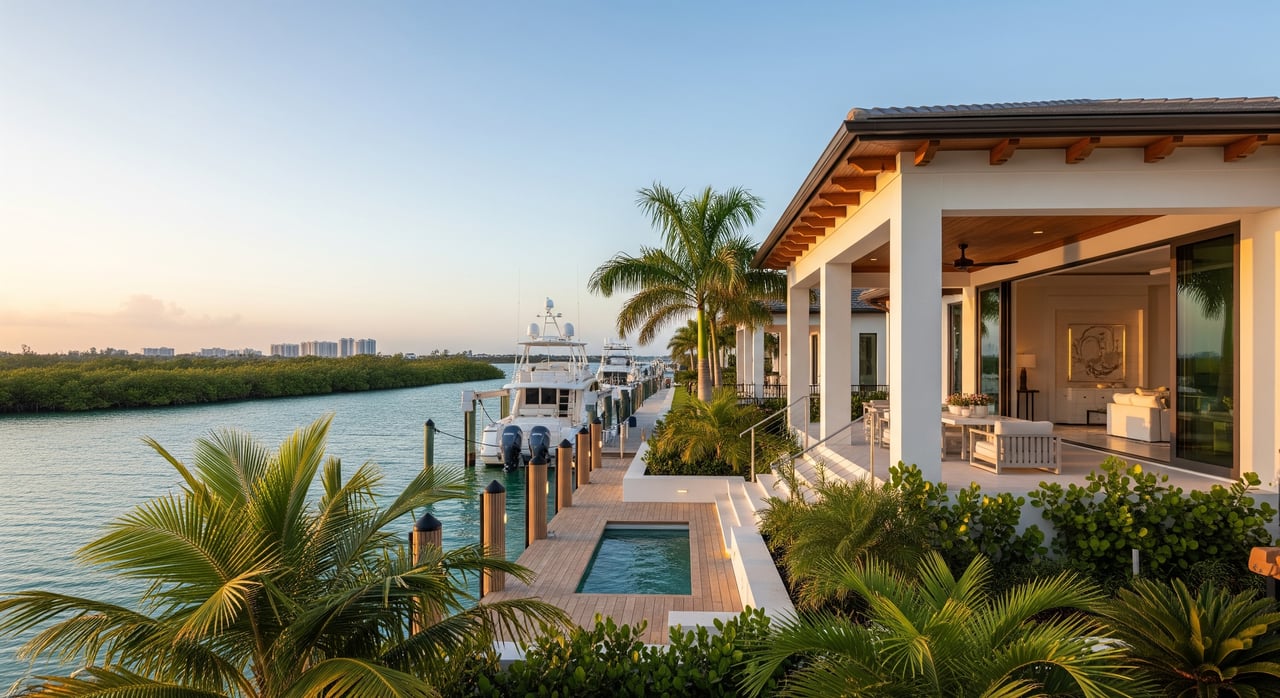
Sometimes the smartest move is not to renovate much at all. An as-is strategy can be a strong option when the needed work is extensive, permit risk is high, or the property’s location and lot value are already key selling points. That can be especially relevant in Sewall's Point, where buyers may place significant value on setting, water access, or the overall property footprint.
An as-is approach does not mean doing nothing. It usually means fixing the issues that will create the biggest objections, then pricing and marketing the home with a clear strategy. You still want the home to feel clean, cared for, and well presented.
This approach often makes the most sense when:
- Repairs are large relative to likely resale gain
- Permits or flood-compliance issues could cause delays
- The home would need highly customized updates
- The location itself is a major part of the value
A Smart Pre-Listing Plan
If you want a practical framework, start with the items buyers and inspectors are most likely to notice. Then work outward from there. The goal is not to renovate everything. The goal is to remove friction.
A strong pre-listing plan in Sewall's Point often looks like this:
Fix Defects First
Address visible defects, deferred maintenance, and any safety or water-intrusion issues. These tend to create the fastest buyer concern and can come back during inspections.
Improve Presentation Next
Invest in paint, cleaning, curb appeal, and light staging before you spend on large upgrades. These changes can improve the showing experience quickly and cost less than full remodels.
Review Coastal Documentation
Gather any useful paperwork tied to roof work, opening protection, wind mitigation, permits, and elevation-related records. In a coastal market, documentation can strengthen buyer confidence.
Be Careful With Big Remodels
Only move forward with a large project if local comparable sales strongly support it and the permit path is clear. Otherwise, there is a real risk of overspending for limited return.
The Bottom Line for Sewall's Point Sellers
If you are selling in Sewall's Point, the answer is usually not “renovate everything” or “leave everything alone.” The strongest strategy is often more selective. Spend where buyers will notice, where inspectors may raise concerns, and where the improvement is likely to help your home compare well in the local market.
In many cases, that means focusing first on presentation, condition, and coastal durability. Larger remodels may still make sense, but only when the numbers, timing, and local comps justify them. If you want a smart plan before you list, talk with a local expert who understands how Sewall's Point buyers evaluate coastal property and what improvements are most likely to matter.
If you are weighing updates before selling, The Quinn Group - Anne Warner & Sean Quinn can help you decide where to spend, where to save, and how to position your home for the Sewall's Point market.
FAQs
Should you renovate before selling a home in Sewall's Point?
- Usually, selective updates make more sense than a full remodel. Focus on visible condition, presentation, and coastal items that may affect inspections or insurance.
What renovations add the most value before selling in Sewall's Point?
- Paint, curb appeal improvements, light staging, and small exterior or hardware updates often provide the clearest pre-sale benefit. In some cases, roof condition, window protection, and wind-mitigation documentation may also matter.
Do you need permits for renovations before selling in Sewall's Point?
- Yes, many common projects require permits. Martin County guidance lists reroofing, window replacement, hurricane shutters, and kitchen or bath remodels among permit-required projects.
Can flood rules affect pre-sale renovations in Sewall's Point?
- Yes. In Special Flood Hazard Areas, substantial damage or substantial improvement can trigger added floodplain and building code compliance requirements, including elevation-related standards.
Is it better to sell a Sewall's Point home as-is?
- It can be, especially if major repairs would be expensive, highly customized, or likely to trigger permit or flood-compliance complications. Even then, it still helps to fix obvious defects and improve presentation.