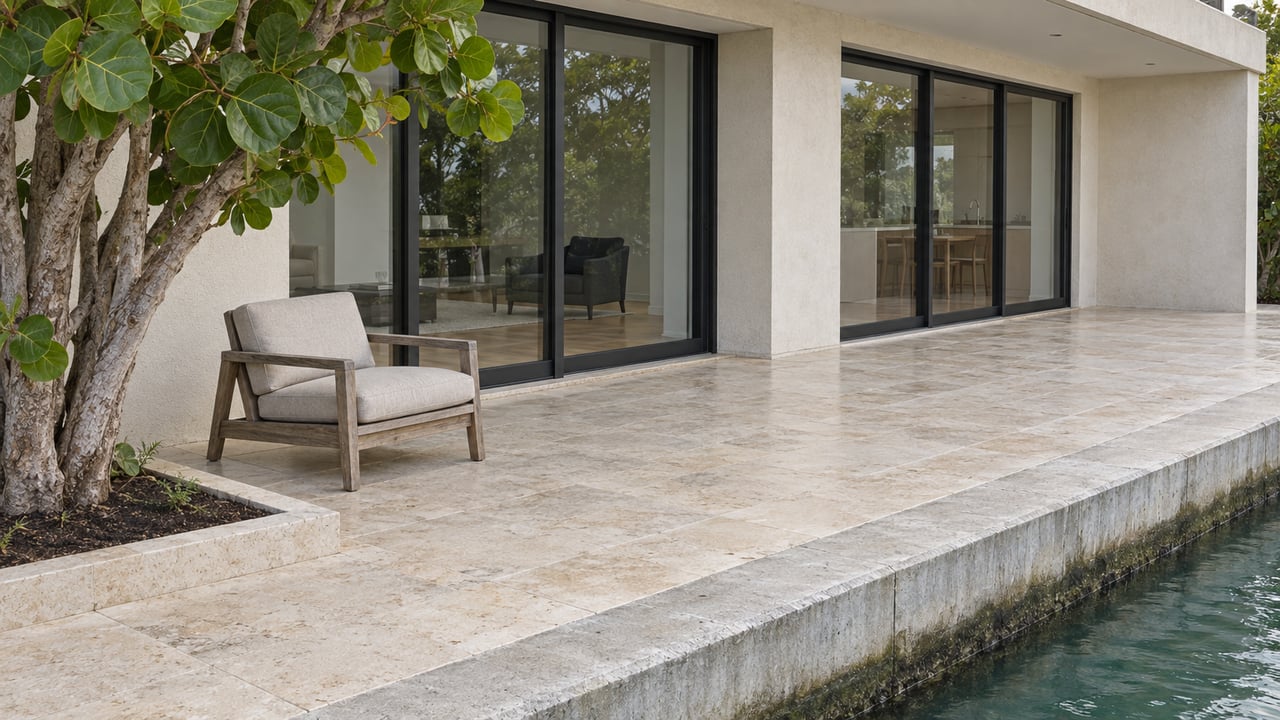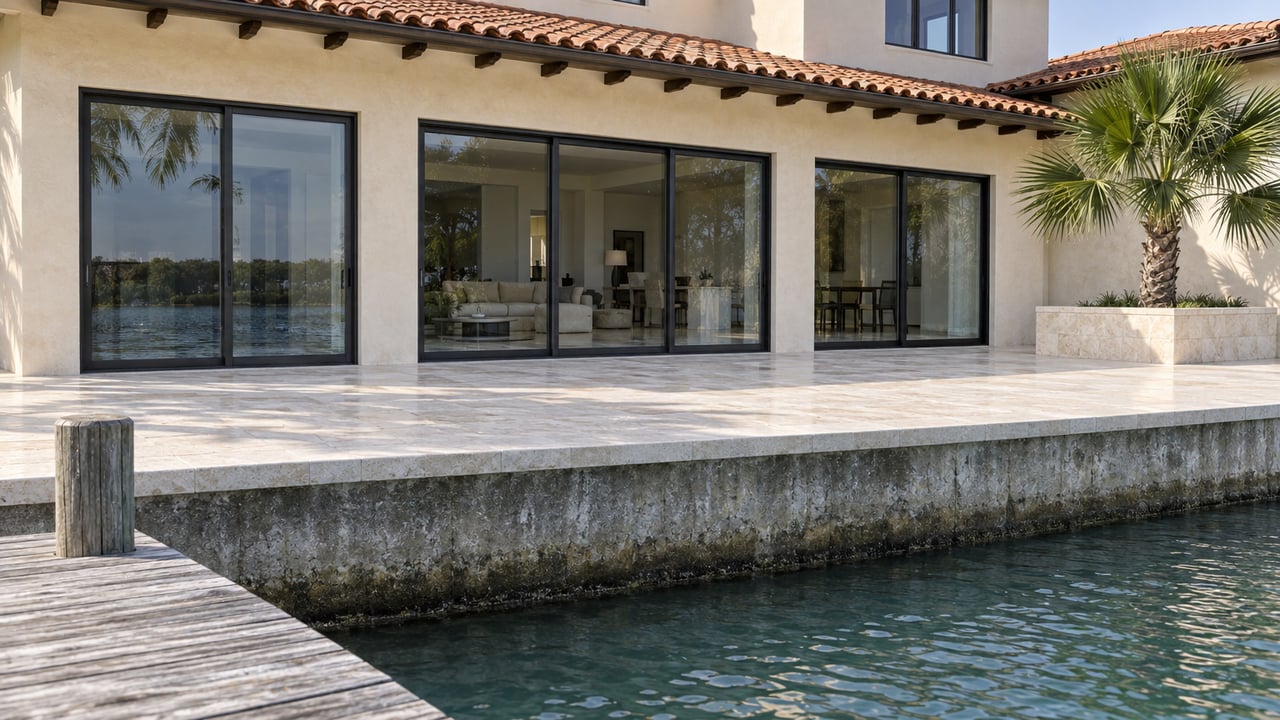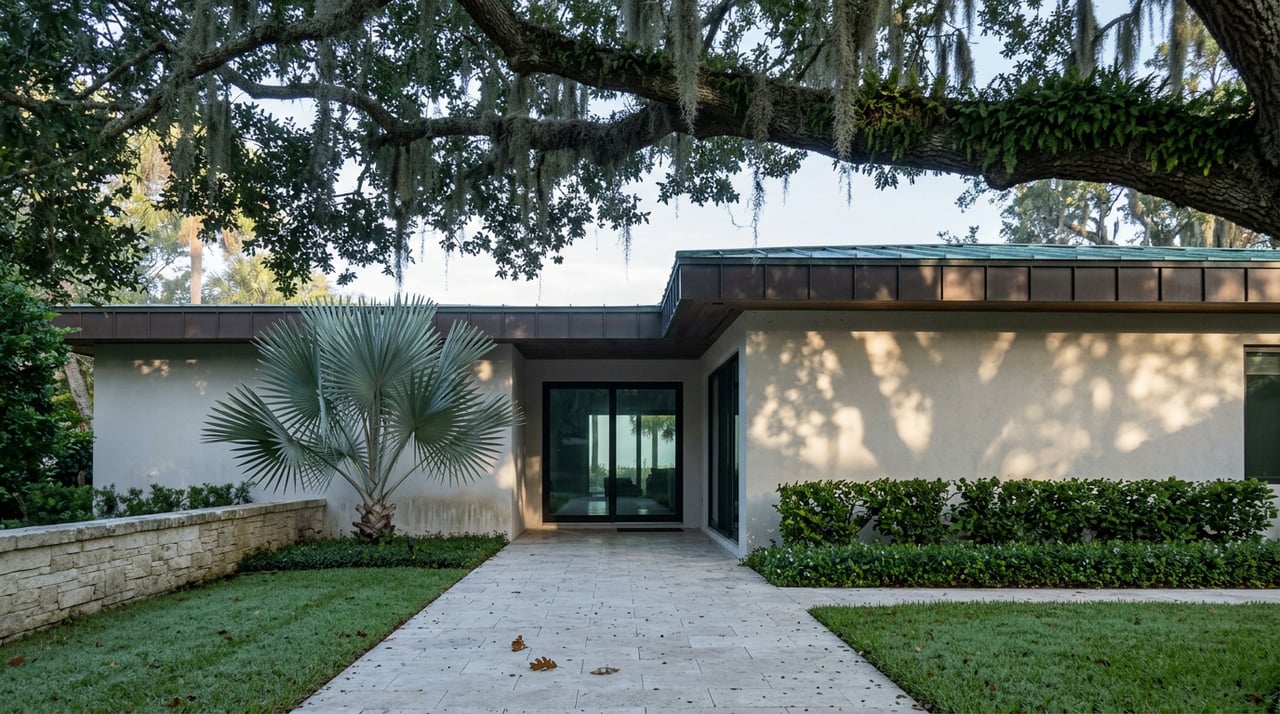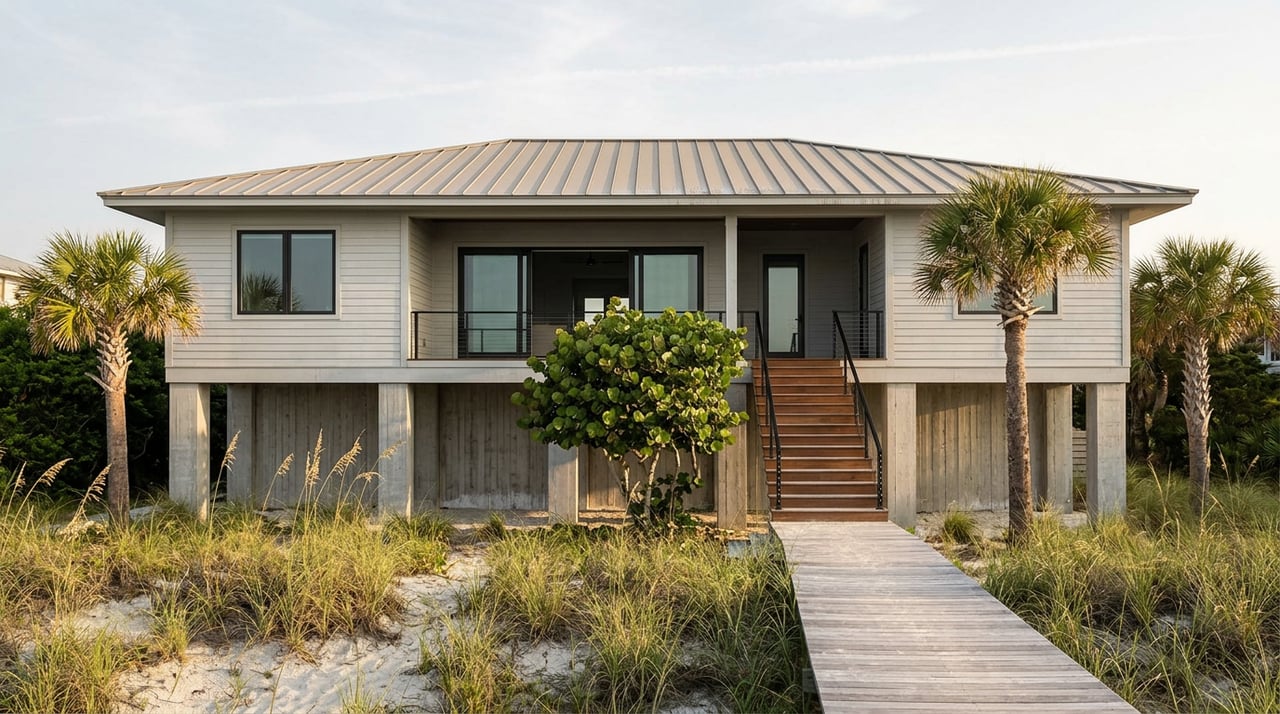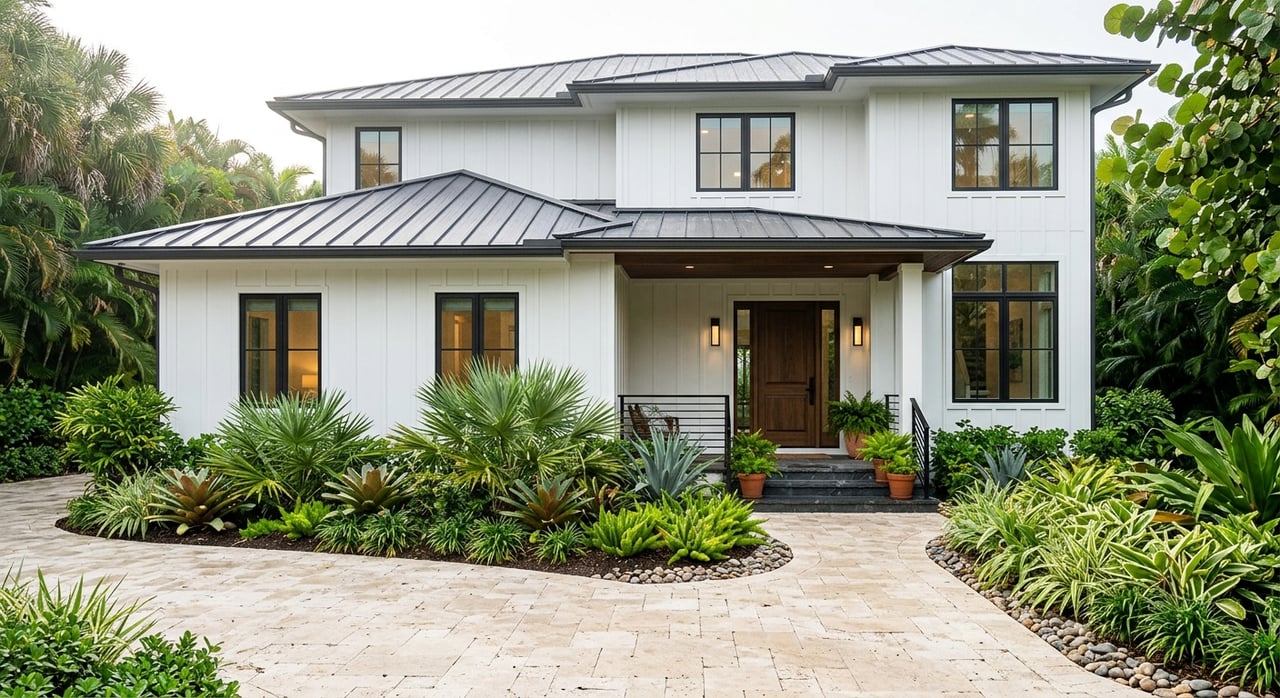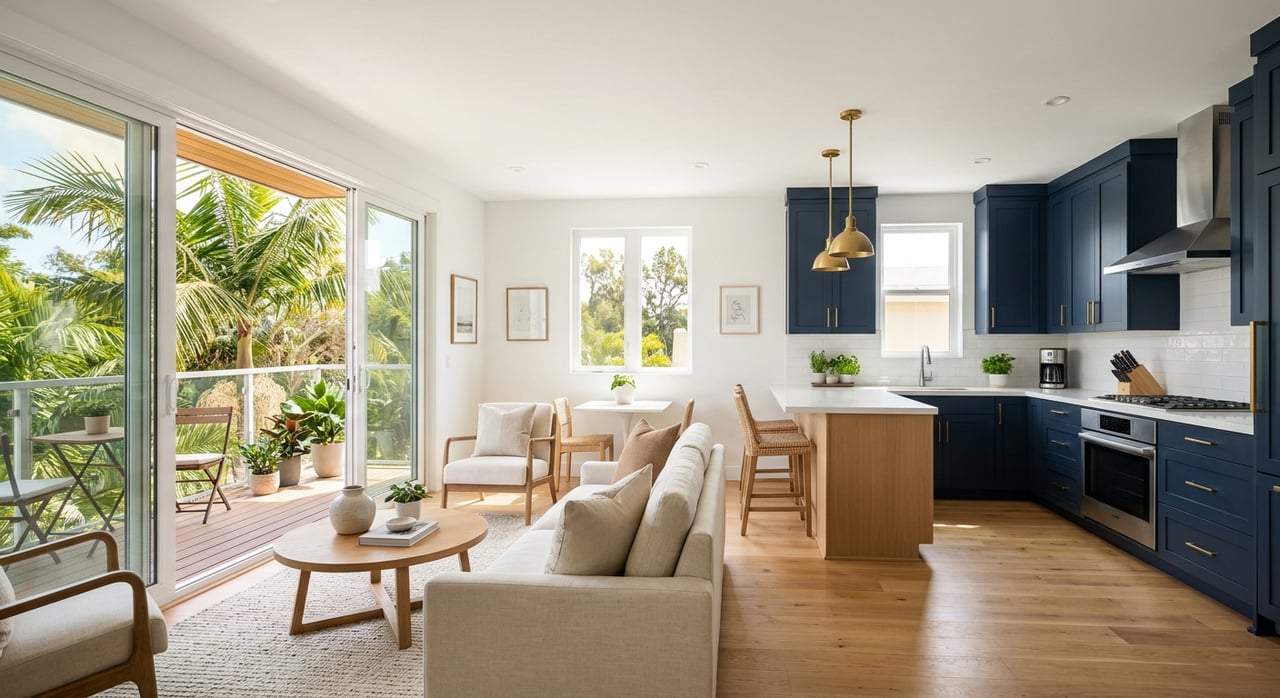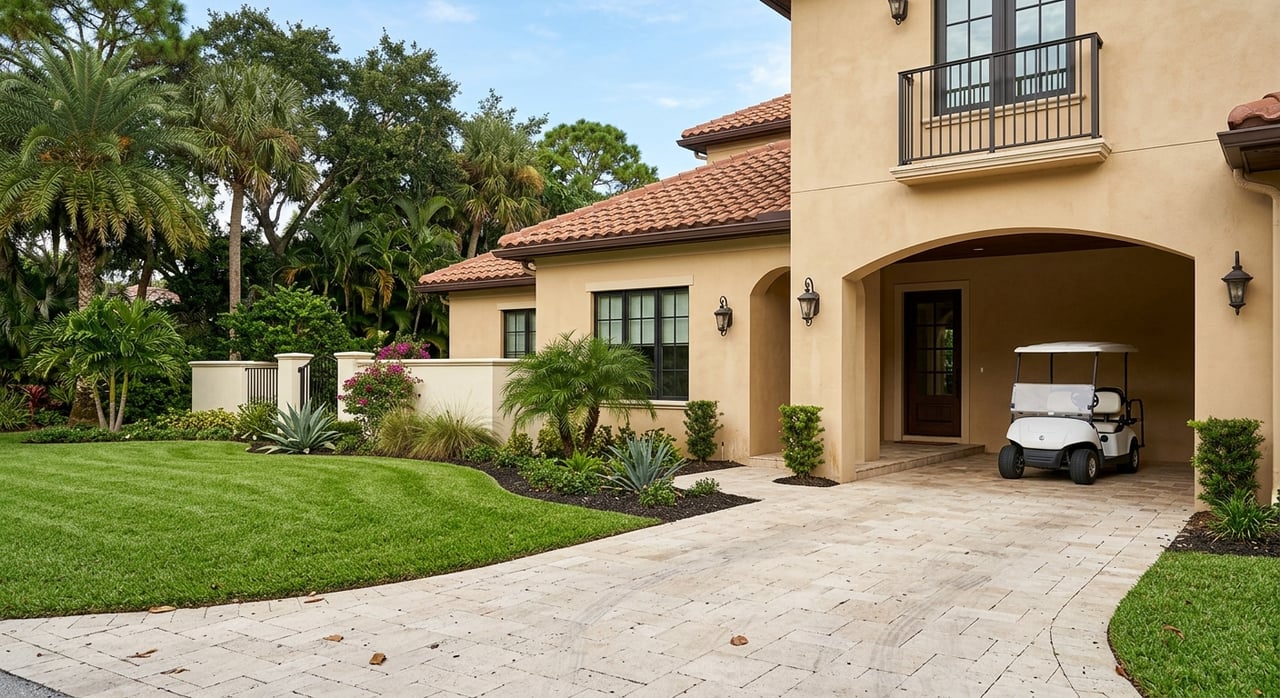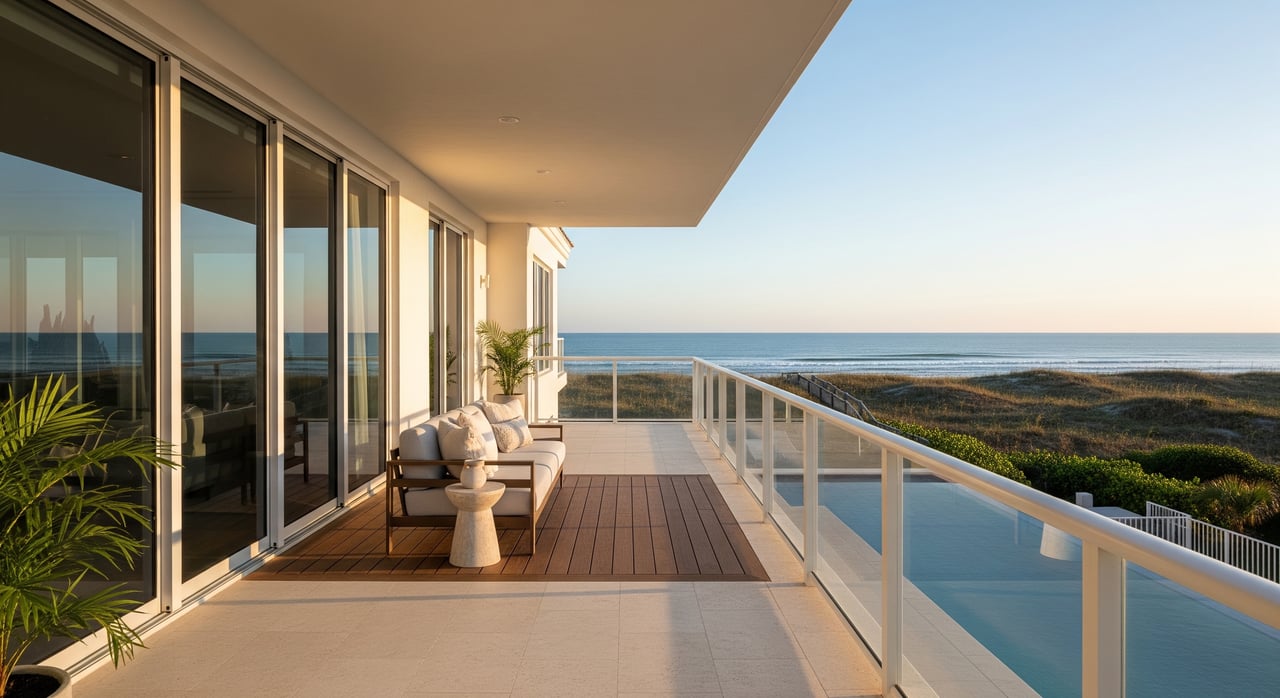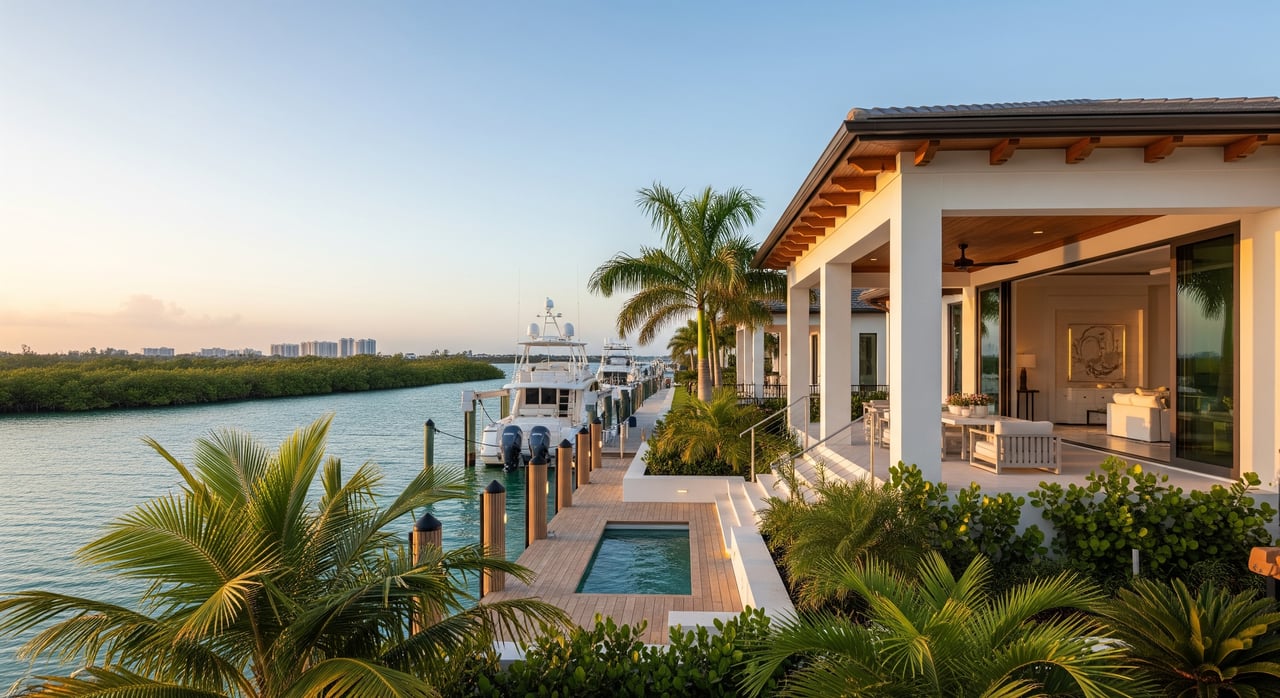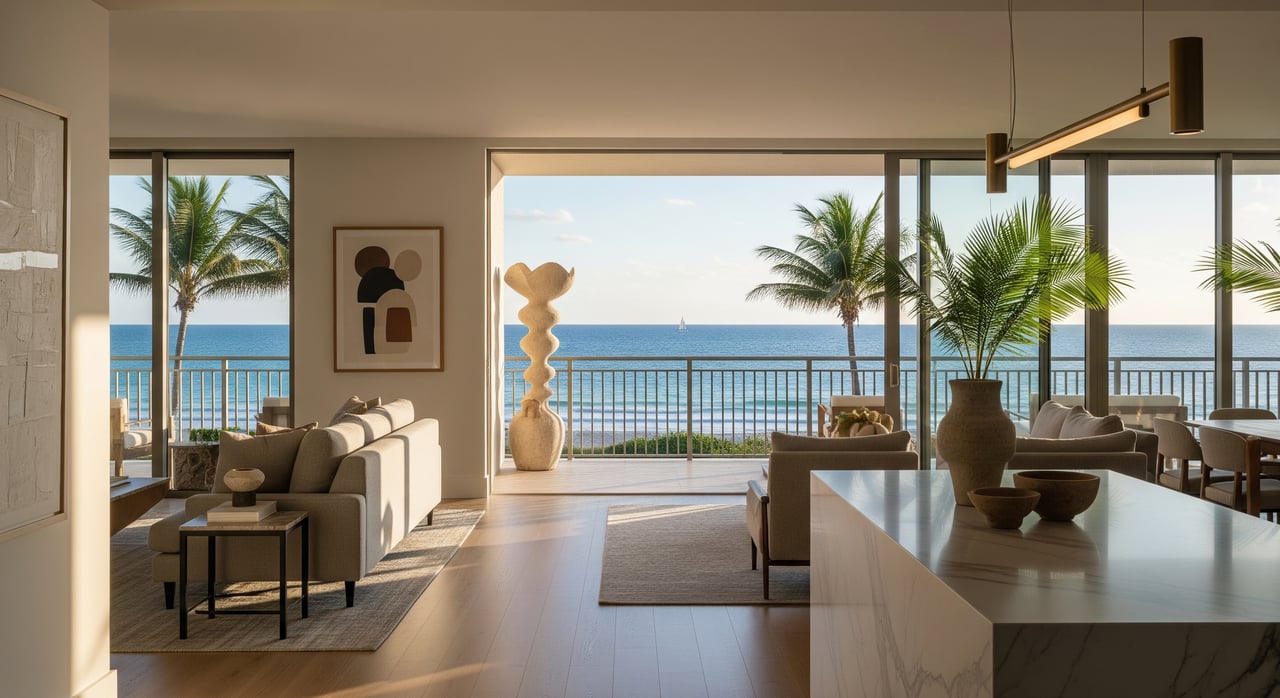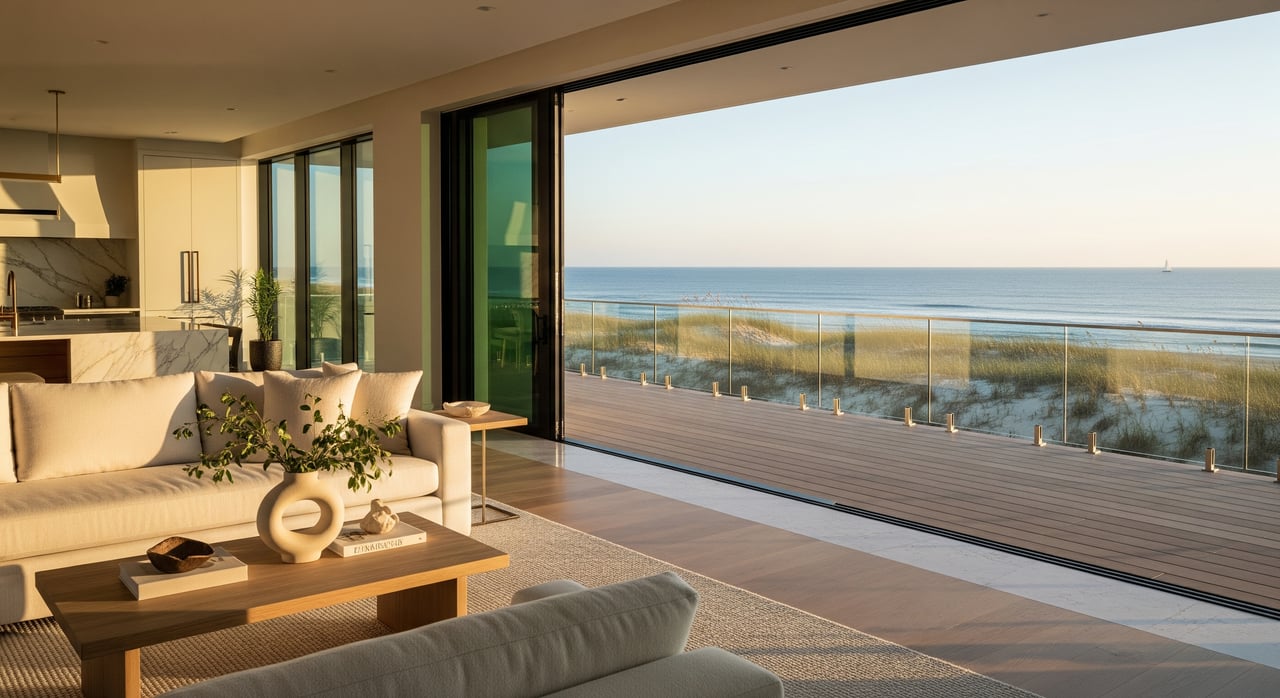
If you are shopping for waterfront in Sewall’s Point, it helps to know that not every “waterfront home” lives the same way. Some properties give you broad river views and estate-scale frontage, while others offer protected canal dockage or boating access through a deeded slip. Understanding those differences can help you match your budget, boating plans, and day-to-day lifestyle to the right property type. Let’s dive in.
Why Sewall’s Point Waterfront Stands Out
Sewall’s Point sits on a peninsula in Martin County between the St. Lucie River and the Indian River Lagoon. The town describes its shoreline setting as a defining part of its character, and that setting gives buyers a rare mix of wide-water views, canal systems, and boating access options.
That variety matters because waterfront here is not one single category. Current Redfin data shows just 10 waterfront homes for sale in Sewall’s Point, with a median list price of $2.12 million, while the broader town median sale price is about $1.52 million. In simple terms, waterfront usually commands a meaningful premium.
Main Types of Waterfront Homes
When you look at Sewall’s Point listings, you will usually see three main categories. Each one offers a different balance of view, boating convenience, privacy, maintenance, and price.
Riverfront and wide-water homes
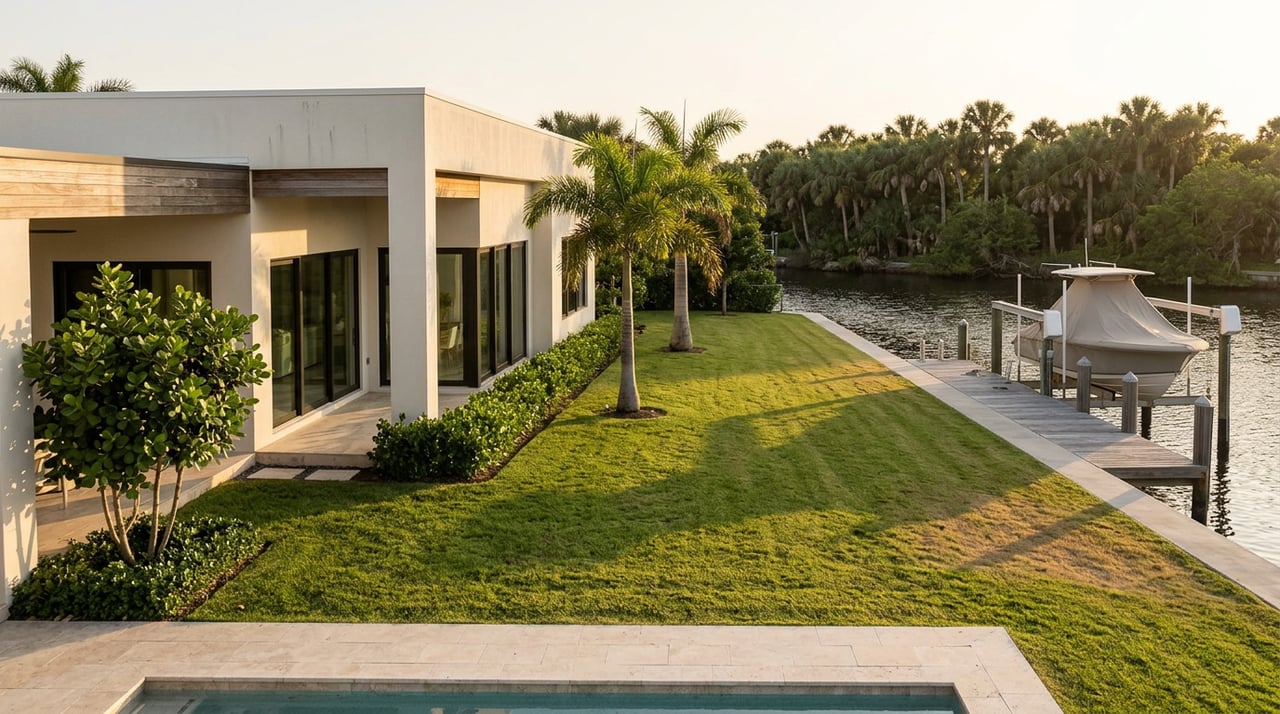
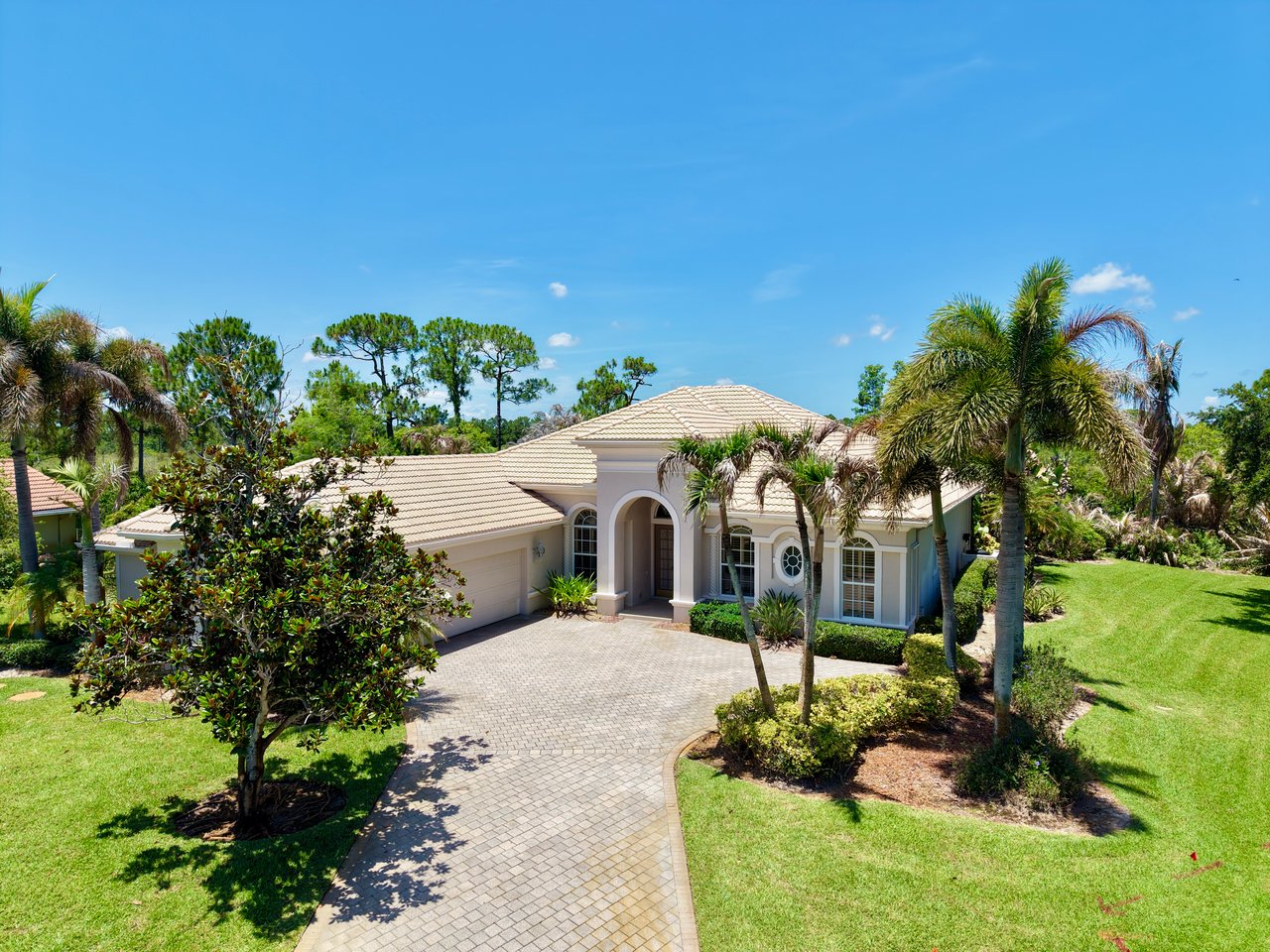
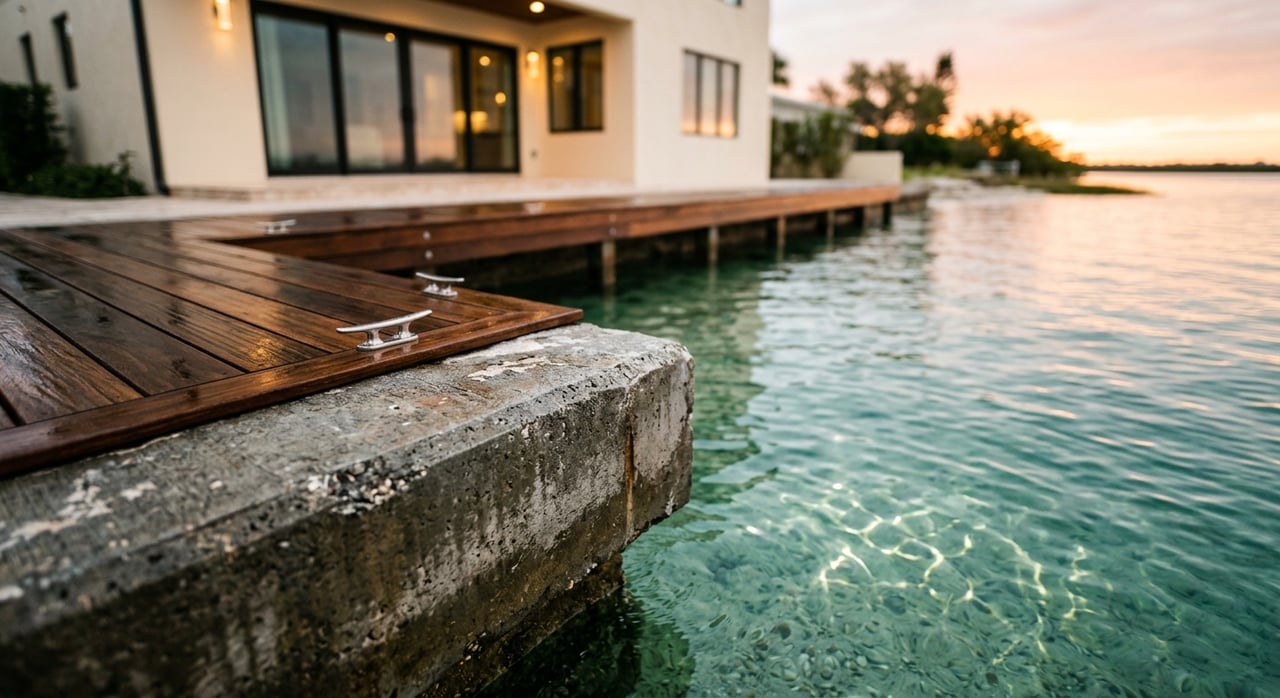
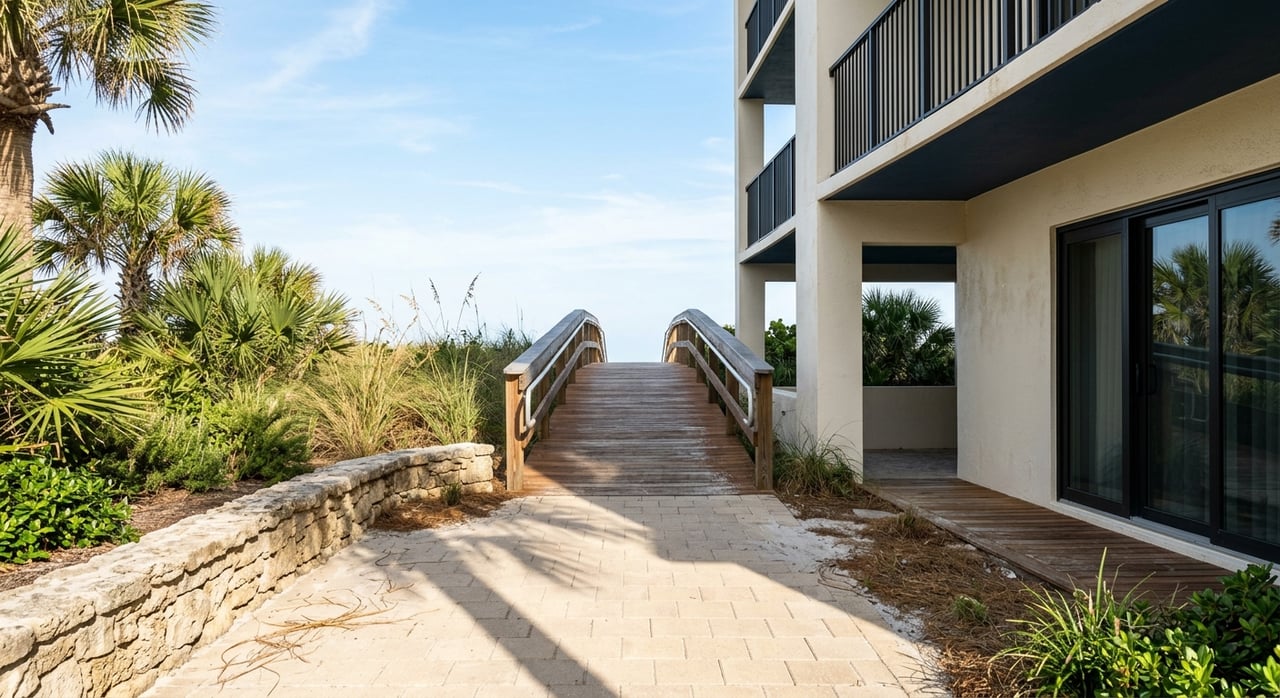
Riverfront homes sit directly on the St. Lucie River or the Indian River Lagoon. These properties usually offer the widest views and the strongest sense of classic waterfront living, which is one reason they often sit at the top of the local market.
This category can vary widely in price based on frontage, lot size, elevation, and the scale of the home. Recent examples in town range from a riverfront estate on South River Road listed at $23.5 million to another South River Road property that sold for $6.9 million with 1.76 acres, 200 feet of frontage, and deep-water dockage.
If your goal is a statement property with broad views and direct frontage, riverfront homes are usually the first place to look. They are often the most scarce option, and scarcity helps support their value.
Canal-front and deep-water homes
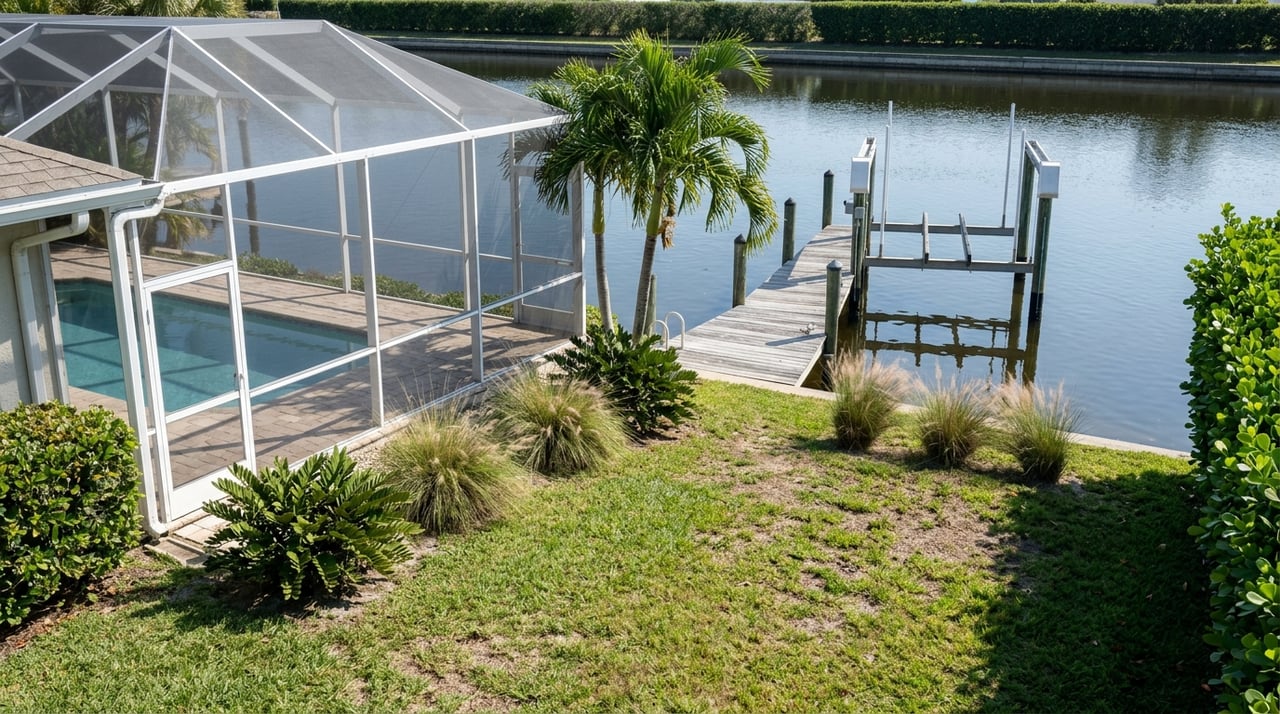
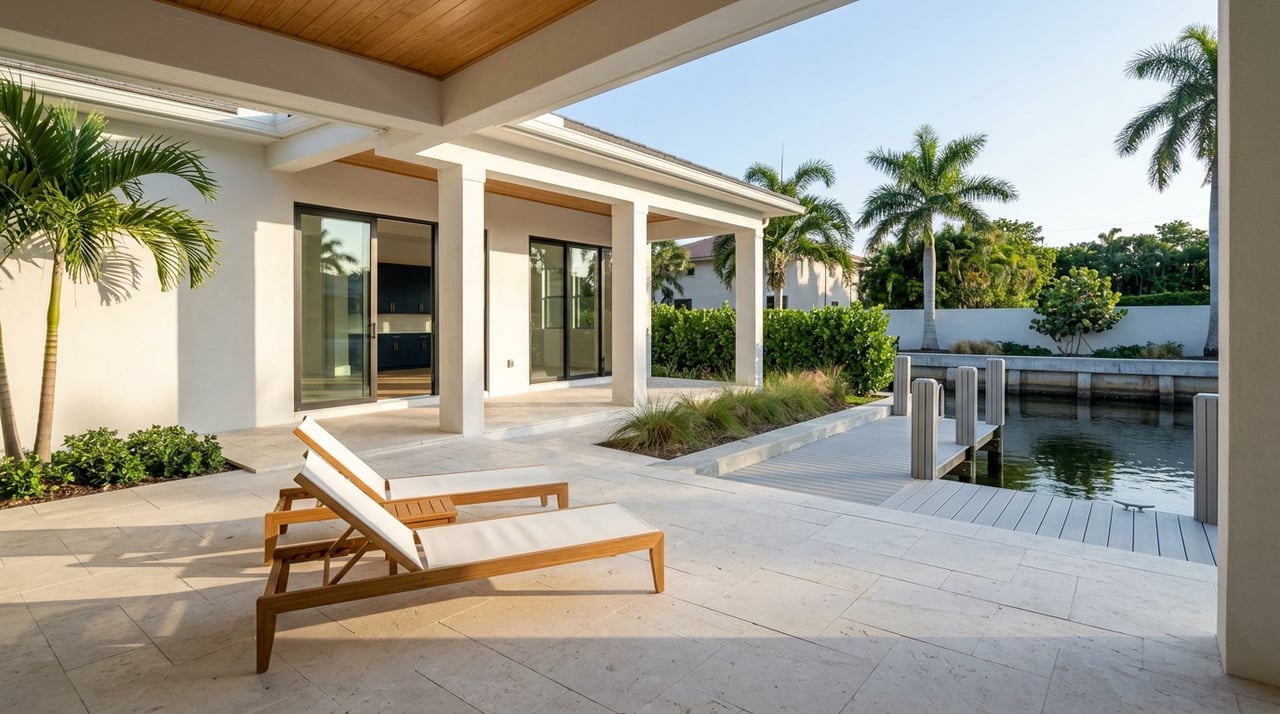
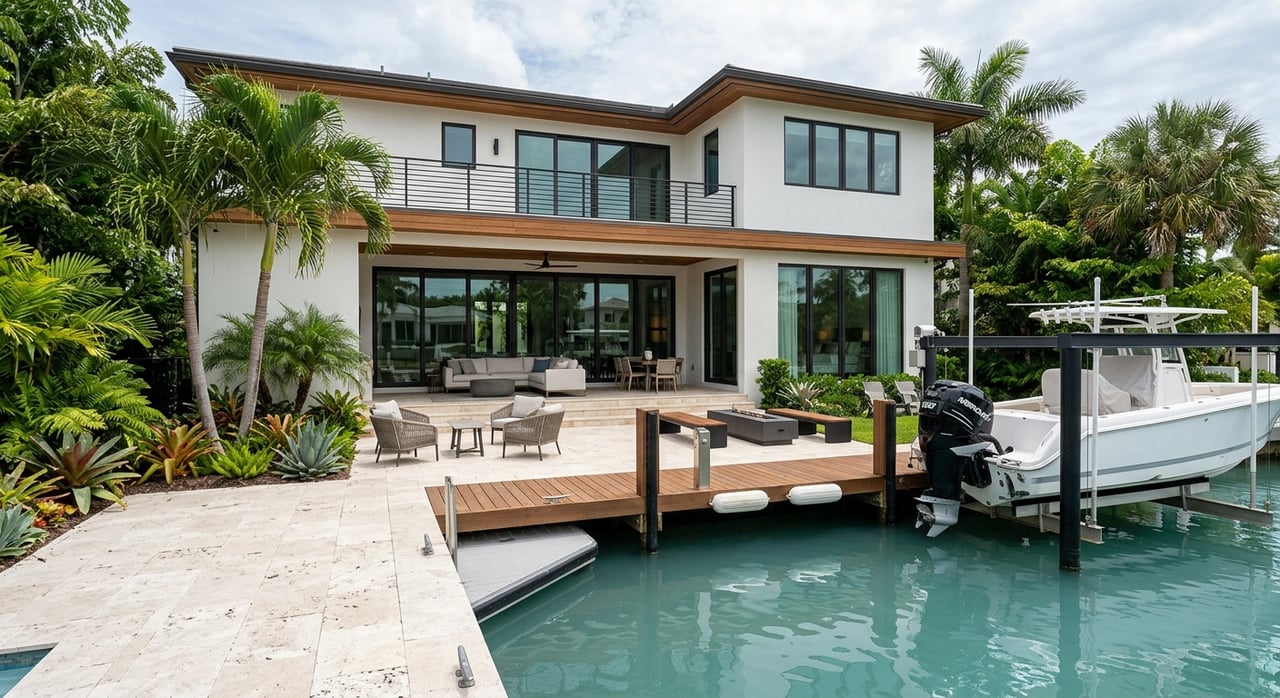
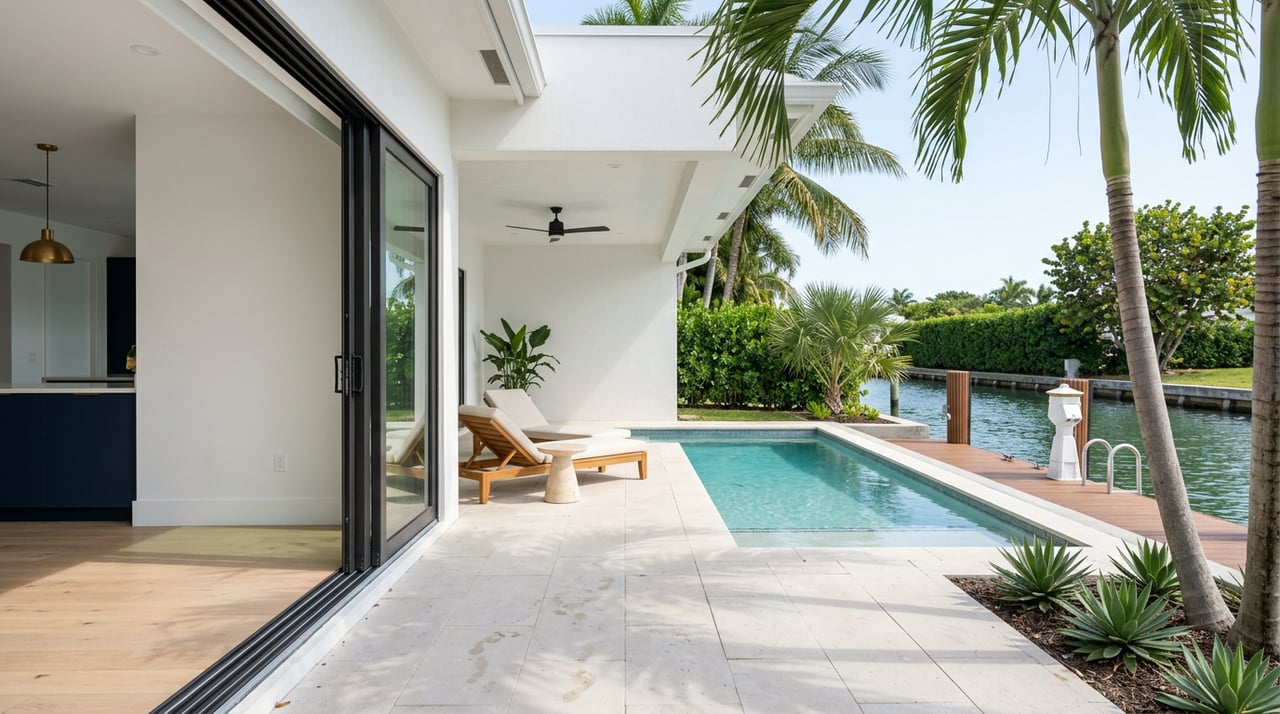
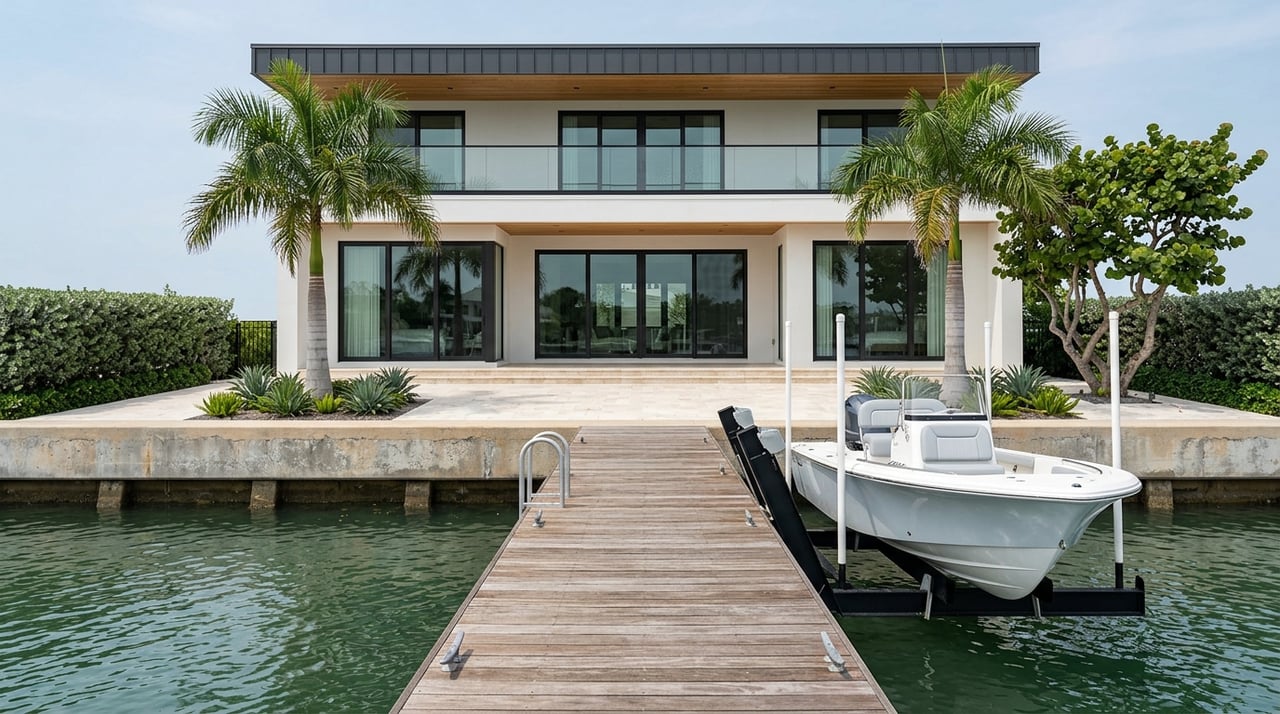
Canal-front homes sit on a canal or cut-in waterway rather than directly on open water. In many cases, you trade some of the dramatic wide-water view for a more sheltered dock setup and a more protected boating environment.
That does not mean canal-front homes are a lower-end choice. In Sewall’s Point, a strong boating package can make a canal-front home highly desirable, especially if the listing includes terms like deep-water access, no fixed bridges, ocean access, or boat lift.
A current example at 19 Island Road is marketed as a blue-water canal home with 100 feet of frontage, two boat lifts, deep-water access, and no fixed bridges, with a list price of $4.2 million. That is a good reminder that canal-front value depends heavily on access quality, not just whether the home sits on open river frontage.
Homes with deeded dock or slip access
Some Sewall’s Point homes are not directly on the waterline but still offer boating access through a deeded dock, deeded slip, or similar arrangement. These properties can appeal to buyers who want the boating lifestyle without paying for full waterfront frontage.
This category is often the more approachable entry point into the local waterfront market. One current example at 123 South Sewall’s Point Road is listed at $849,000 and includes a private deeded 30-foot dock with unrestricted saltwater access, while another home on Palm Road sold for $1.15 million with a deeded dock or slip a short walk away.
For many buyers, the trade-off is clear. You get access to the water and the boating lifestyle, but the home’s value comes more from the dock arrangement than from direct backyard frontage.
What These Property Types Mean for Daily Life
Choosing the right type of waterfront home is about more than the view. In Sewall’s Point, your experience will also depend on how you plan to use the water, how much upkeep you want, and how flexible the lot is for future improvements.
Boating access matters
For many buyers, boating convenience is the biggest practical difference between property types. A listing that mentions no fixed bridges and deep-water access usually signals easier use for larger boats, while ocean access usually means your route connects through the St. Lucie Inlet to the Atlantic.
Martin County notes that the St. Lucie Inlet is a shallow-draft inlet and can be vulnerable to elevated sea states. That means your day on the water may depend not just on where your dock sits, but also on route depth, bridge clearance, and weather conditions.
Views and privacy vary
Wide-water homes usually deliver the biggest visual impact. If you picture sunrise or sunset over open water, long sight lines, and a more expansive feel, riverfront properties often check those boxes.
Canal-front homes can feel more sheltered and private in a different way. Instead of open-water drama, you may get a quieter dock setting that works well for outdoor living and easier boat handling.
Maintenance can increase with frontage
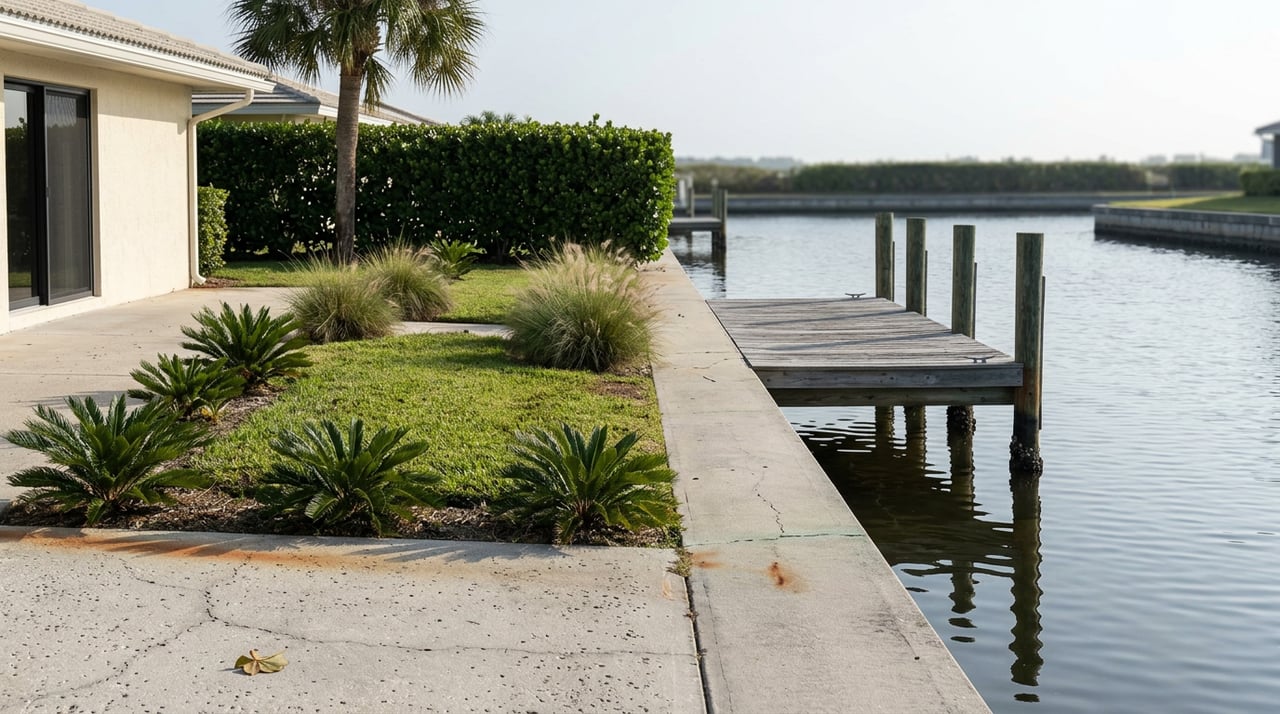
The more shoreline you own, the more maintenance you may take on. Sewall’s Point says docks must be repaired and maintained in a manner consistent with their original permitted structural requirements or removed, so ownership often comes with ongoing upkeep and permitting awareness.
That is not necessarily a drawback, but it is something to plan for. Bulkheads, seawalls, docks, lifts, and shoreline features can all add to the long-term ownership picture.
Why Lot Rules Matter in Sewall’s Point
One of the most overlooked parts of buying waterfront in Sewall’s Point is the build envelope. Town code treats the bulkhead or mean high-water mark as the rear lot line on waterfront and riverfront lots, which can affect how close structures can sit to the water.
The town also applies different setback treatment to older versus newer waterfront lots. That helps explain why two homes with similar frontage can offer very different flexibility for additions, pools, outdoor living areas, or redevelopment.
Minimum lot area rules also vary depending on when a lot was created. In practice, some older waterfront areas may feel more compact, while newer estate-style parcels may offer a larger overall footprint.
Flood Planning Is Part of Waterfront Ownership
Flood planning is another major part of the conversation. Sewall’s Point directs owners to its FEMA flood information and says flood insurance is required for homes with federally backed mortgages in a Special Flood Hazard Area, while lenders may also require coverage outside that area.
For buyers, this means it is smart to look at waterfront homes through both a lifestyle lens and an ownership-cost lens. A beautiful location is only part of the equation. Insurance requirements, elevation, and site conditions can shape the full picture.
Terms You Will See in Sewall’s Point Listings
Local listing language can tell you a lot if you know what to watch for. Here are some of the most useful terms when comparing waterfront homes in Sewall’s Point.
Key waterfront terms
- Riverfront: Direct frontage on the St. Lucie River or Indian River Lagoon
- Canal-front: Frontage on a canal or cut-in waterway rather than open river
- Canal access / river access / ocean access / intracoastal access: Terms that describe the boating route and destination, not always the exact lot line
- Deeded dock or deeded slip: A separate boat-access right tied to the property
- No fixed bridges: A route without a permanent bridge-height obstacle between the dock and open water
- Mean high-water line / seawall / bulkhead: Shoreline reference points used in local setback rules
- Deep-water access: Listing language that suggests the waterway can better support larger boats than a shallow or more restricted route
Which Type of Waterfront Home Fits You?
If you want the most expansive views and direct frontage, riverfront homes will likely be your focus. If boating setup matters more than open-water drama, canal-front homes can offer a strong mix of access and protection. If you want boating access at a lower entry point, a home with a deeded dock or slip may be worth a close look.
In Sewall’s Point, the biggest comparison is not simply waterfront versus non-waterfront. It is direct river frontage versus protected canal frontage versus deeded boating access, because each one changes your price point, maintenance responsibilities, and daily experience in a different way.
That is where local guidance can make a real difference. When you understand how frontage type, lot rules, and boating access work together, you can shop with more confidence and focus on the properties that truly fit your goals.
If you are exploring waterfront homes in Sewall’s Point or anywhere along the Treasure Coast, The Quinn Group - Anne Warner & Sean Quinn can help you compare the options and find the right fit for your lifestyle.
FAQs
What is the difference between riverfront and canal-front homes in Sewall’s Point?
- Riverfront homes sit directly on the St. Lucie River or Indian River Lagoon and usually offer wider views, while canal-front homes sit on more protected waterways and often emphasize dock convenience and boating access.
Are canal-front homes in Sewall’s Point less expensive than riverfront homes?
- Often, but not always. Canal-front homes with deep-water access, no fixed bridges, strong frontage, and quality dock setups can still reach luxury price points.
What does deeded dock mean for a Sewall’s Point homebuyer?
- A deeded dock means the property includes a legal boat-access right, even if the home itself is not directly on the water.
Why does no fixed bridges matter for Sewall’s Point waterfront homes?
- It usually means there is no permanent bridge-height obstacle between your dock and open water, which can be especially important if you own a larger boat.
Do waterfront lot rules affect additions and pools in Sewall’s Point?
- Yes. Local code treats the bulkhead or mean high-water mark as the rear lot line on waterfront and riverfront lots, and setbacks can affect where future improvements can go.
Do Sewall’s Point waterfront homes require flood insurance?
- Flood insurance is required for homes with federally backed mortgages in a Special Flood Hazard Area, and some lenders may require it even outside that area.