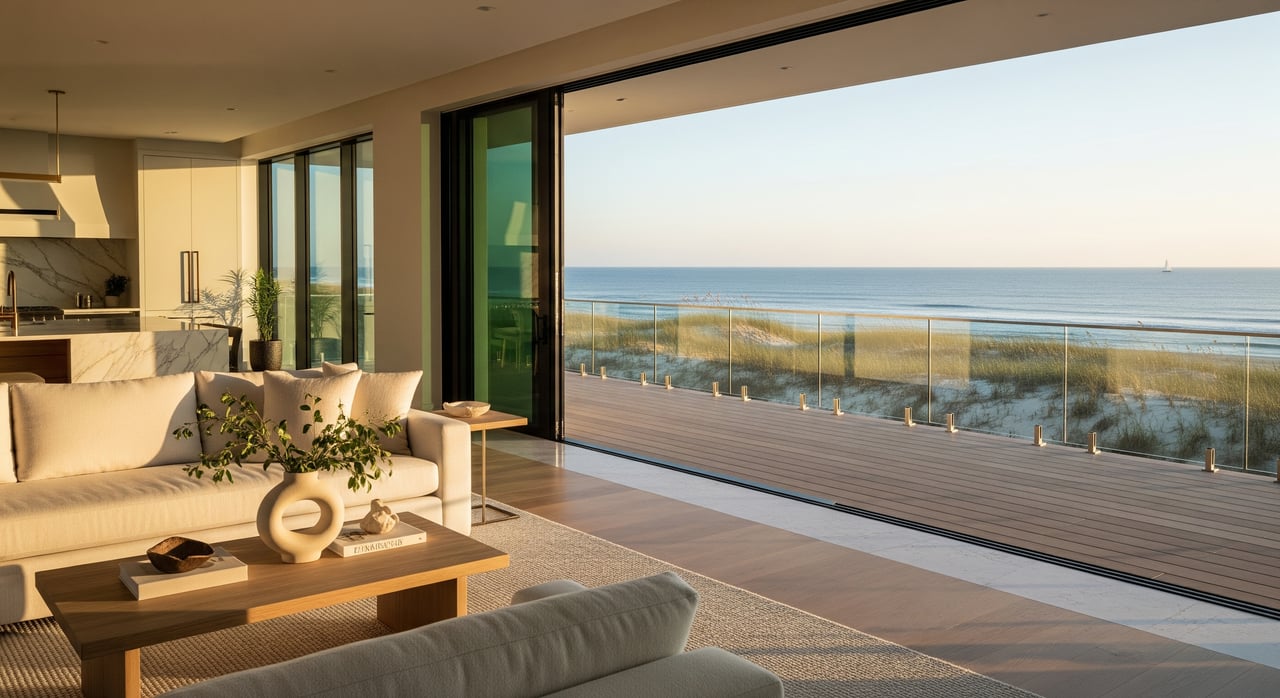
Dreaming of a beach-to-river lifestyle where someone else handles the heavy lifting? If you are eyeing a condo on Hutchinson Island, you are not alone. Seasonal buyers and retirees love the low-maintenance living, views, and walk-to-sand access. This guide shows you how to compare buildings, read association health, understand insurance and flood risk, and plan a confident purchase on the St. Lucie County side. Let’s dive in.
Hutchinson Island at a glance
Hutchinson Island stretches across county lines. The portion covered here is in St. Lucie County, which can affect your taxes, permits, and inspections. Always confirm the exact county and jurisdiction for any building you consider. Oceanfront and riverside locations face different wind, salt, and flood exposures, so location details matter.
Seasonal buyers typically look for security, amenities, rental flexibility, and easy travel. Retirees often prioritize affordability, building stability, and hurricane readiness. On Hutchinson Island, you can find both ocean-facing and Indian River Lagoon buildings with very different lifestyles and risk profiles.
What to compare between buildings
Building age and maintenance
Older buildings can be charming, but they often carry more maintenance and repair risk. Ask about construction type, major projects completed, and what is next on the capital plan. Focus on roof age, elevator modernization, parking structure repairs, and balcony work, which can drive big expenses.
Request a capital improvements history and any engineering reports. You want to see clear records of completed projects and realistic plans for upcoming ones. Consistent care helps reduce surprise assessments and supports long-term stability.
Association finances and reserves
Healthy associations publish clear budgets, consistent reserve funding, and CPA-reviewed statements. Ask for the Declaration, Bylaws, Rules, the current budget, financials, a reserve study, insurance certificates, and recent meeting minutes. Review for frequent assessments, large fee jumps, and low reserve balances.
Compare what monthly fees include, such as utilities, cable, building insurance, exterior maintenance, and pest control. A budget that pairs real-world operating costs with steady reserves is a positive signal. Minutes often reveal pending projects and policy changes before they hit your wallet.
Insurance and deductibles
Understand the master policy versus what you must insure inside your unit. Confirm building coverage, exclusions, and master policy deductibles. High deductibles can translate into unit owner assessments after storms.
On the coast, wind and flood coverage are common needs. If a condo is in a FEMA Special Flood Hazard Area, lenders typically require flood insurance. Ask for insurance certificates and recent claims history so you can estimate realistic carrying costs.
Flood risk and coastal hazards
Flood zone, elevation, and shoreline dynamics influence premiums and risk. Oceanfront buildings face erosion, dune management, and potential beach renourishment cycles. Riverside buildings experience different tidal and storm-surge behavior.
Use FEMA flood maps and ask whether any mitigation steps have been completed, such as elevating systems or retrofits. For long-term planning, consult NOAA sea level scenarios and local resilience efforts. Flood risk and mitigation can meaningfully change your annual budget.
Safety, inspections, and recertification
Florida has strengthened inspection and recertification rules for aging condos. Ask the association or manager about structural inspections, any required remediation, and open permits. The St. Lucie County Building Division can confirm permit status and violations.
Look for clear documentation of any structural work and follow-up inspections. Consistent compliance supports safety and insurance availability. It also protects resale value.
Amenities and operations
Pools, clubhouses, fitness rooms, front desks, on-site management, and storage can raise daily enjoyment. These amenities also influence monthly dues, staffing needs, and reserves. More features often mean higher costs, especially in oceanfront settings.
Consider how the building operates in the off-season. Ask about staffing levels, on-site management availability, and seasonal procedures for snowbird residents. If you value lock-and-leave simplicity, service consistency matters.
Pet and rental rules
Rules for pets and rentals live in the governing documents. Confirm breed or size limits, the number of pets allowed, and any waiting period or rental caps. If you plan to rent seasonally, verify minimum lease terms and any registration requirements.
Keep in mind that assistance animals are protected and may require reasonable accommodation. Always review the documents and consult a qualified resource if rules are unclear. Understanding policies upfront prevents surprises later.
Oceanfront vs. riverside trade-offs
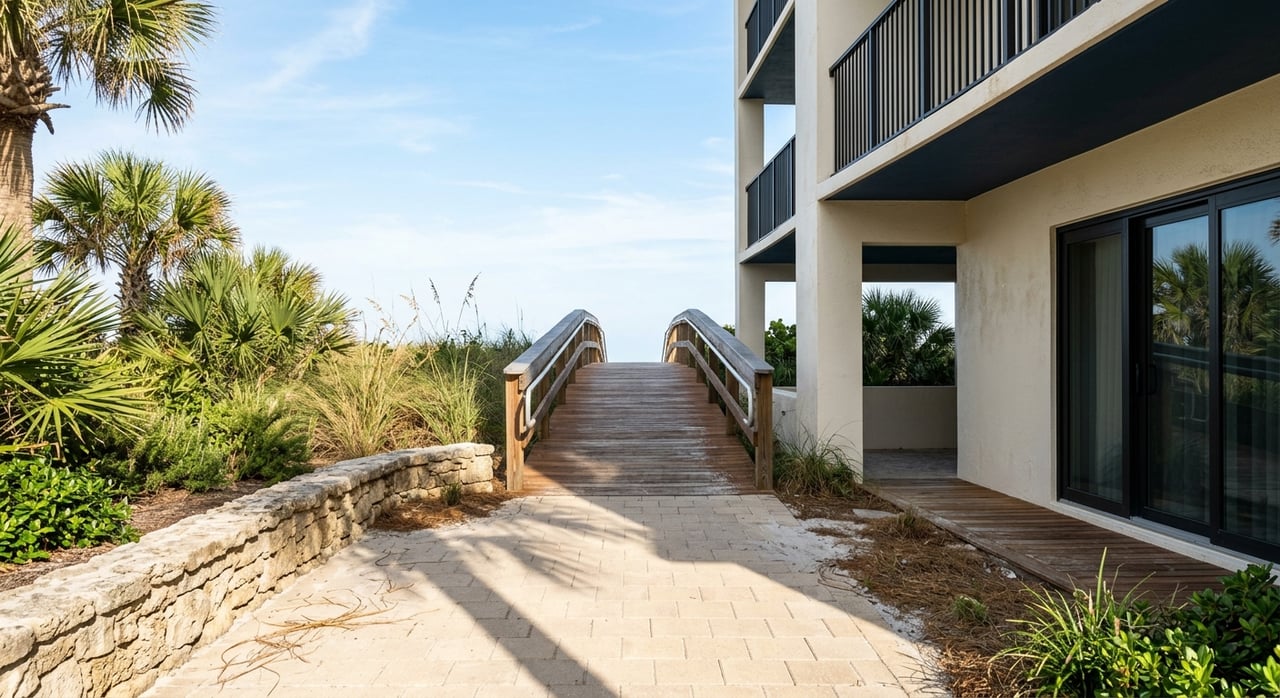
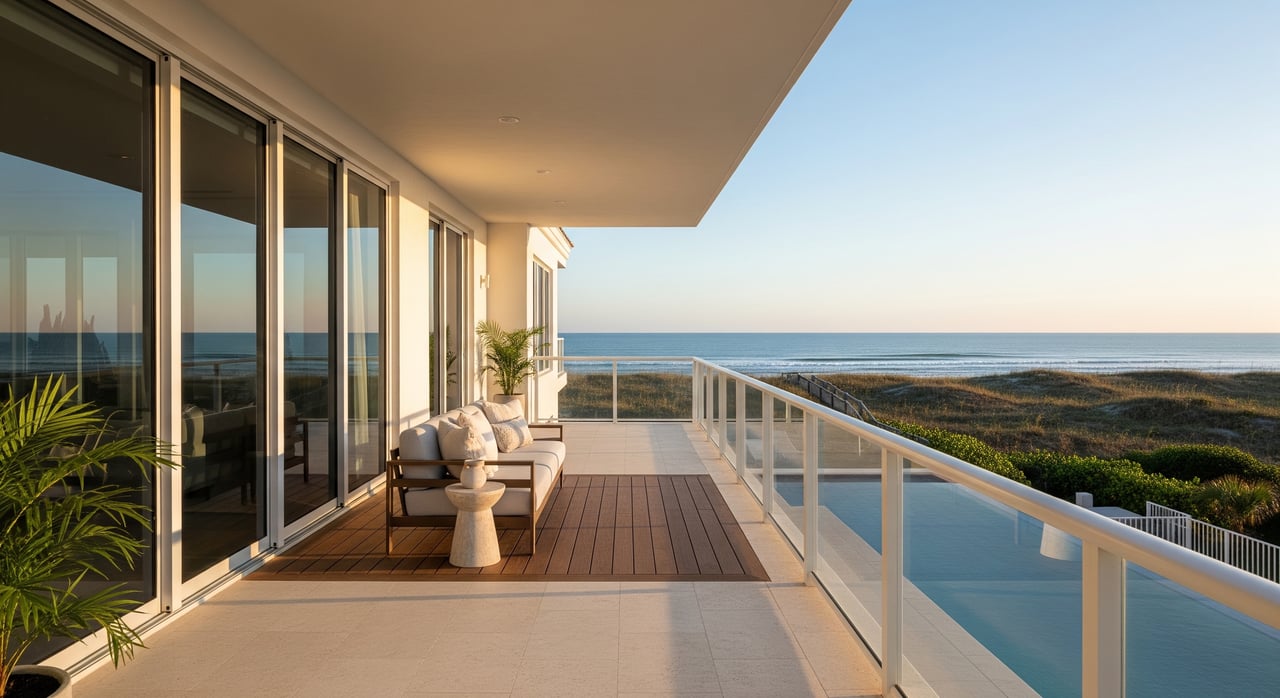
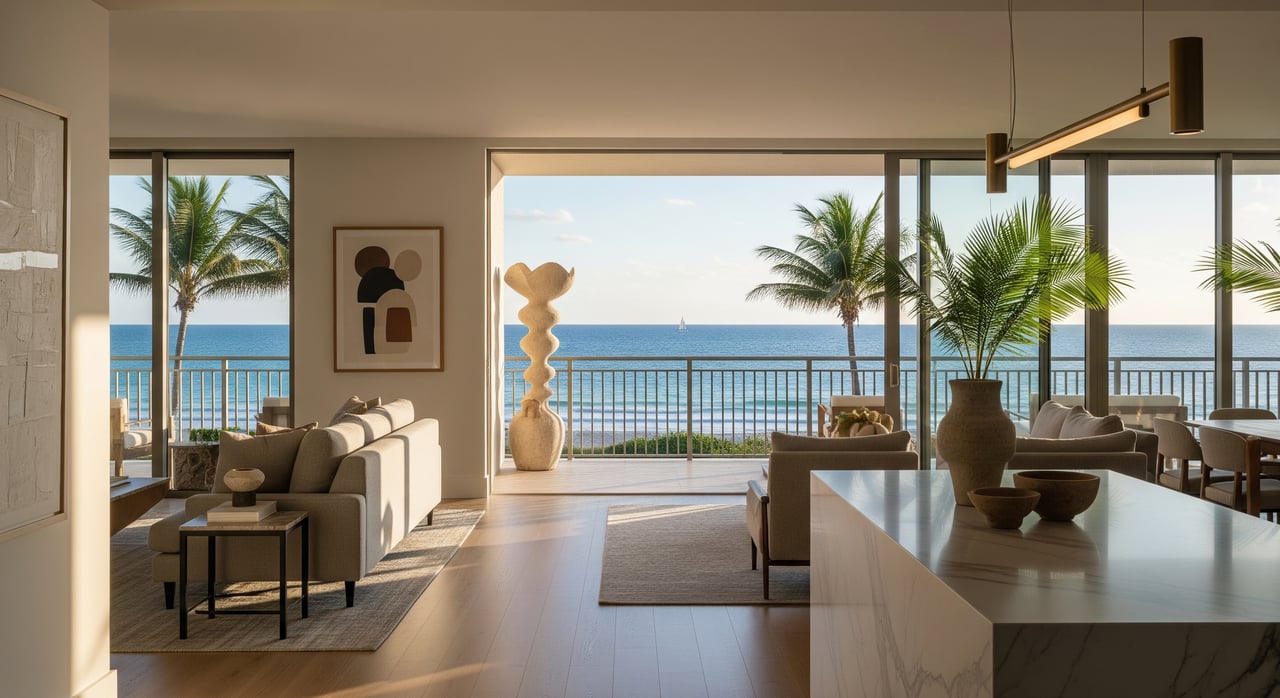
Oceanfront offers direct beach access, sunrise views, and strong rental appeal. It also brings higher wind and salt exposure and often higher insurance and maintenance. Expect more active shoreline management and potential for road or parking congestion in peak season.
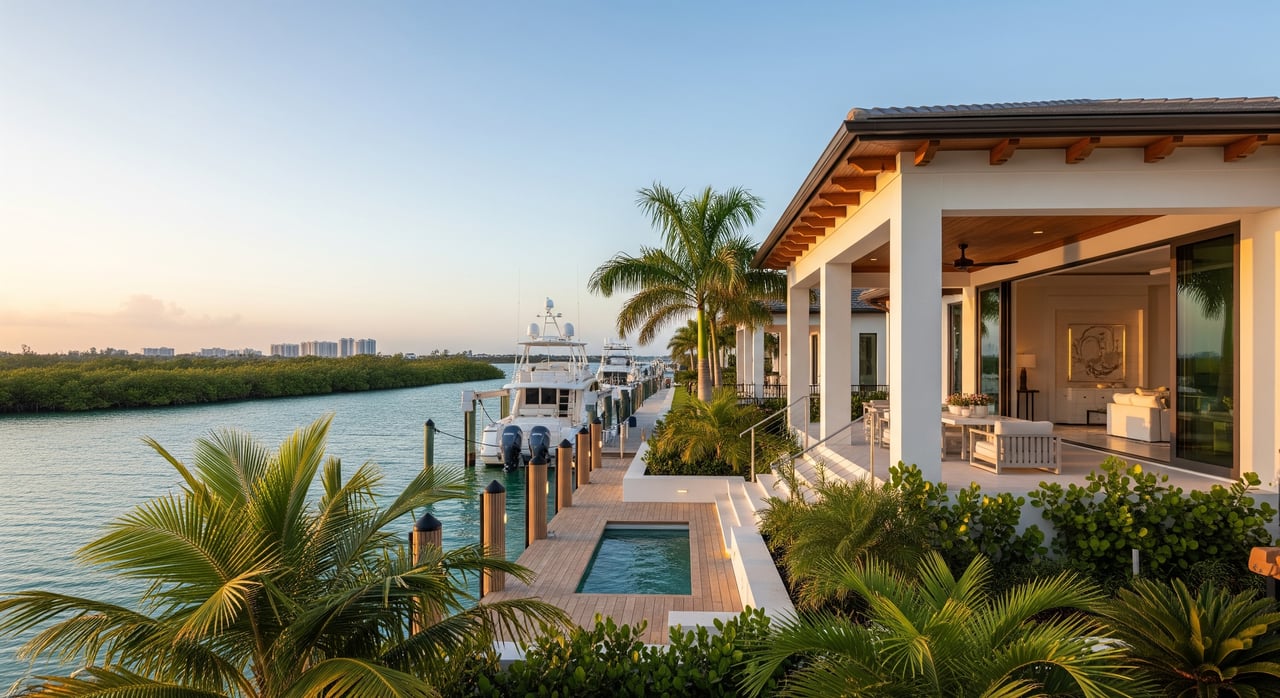
Riverside settings can feel calmer, with sunset views and a quiet vibe. You trade direct beach access for different flood dynamics and occasional boat traffic. Seasonal conditions like insects can vary by location and time of year.
Smart due diligence checklist
Request these documents before you offer
- Condominium Declaration/CC&Rs, Bylaws, Rules and Regulations
- Current budget and 2–3 years of financial statements
- Reserve study and funding records
- Master insurance declarations, coverage and deductibles, and 5–10 years of claims history
- Meeting minutes for the past 12–24 months
- Pet and rental policies and any recent rule changes
- Litigation disclosures involving the association
- Engineering and inspection reports for roofs, parking, balconies, and structural work
- Notices of special assessments and future capital project plans
Ask the association or manager
- Current monthly HOA fee and exactly what it covers
- Special assessment history for the past 5–10 years
- Owner-occupancy rate and rental ratio
- Dues delinquency rate and current reserves
- Planned projects, timelines, and funding approach
- On-site management presence and emergency procedures
Inspect the property on-site
- Unit level: windows and sliders, HVAC age and service, plumbing and electrical panel, signs of moisture or mold
- Building level: balcony and railing condition, concrete spalling, elevator maintenance, roof condition, pool and mechanical rooms
- Site level: seawall or dune condition, stormwater drainage, parking surface, access roads and storm ingress/egress
Check insurance and financing early
- Confirm flood zone and obtain sample flood premium quotes before you are under contract
- Verify lender project requirements, including owner-occupancy ratios and litigation rules
- Confirm whether the project is eligible for specific loan programs if relevant to your financing
- Review the master policy and deductibles so you understand your personal coverage needs
Plan for seasonal living
Map nearby medical services, pharmacies, and grocery options
Consider airport access and transportation during peak season
Set up seasonal home management steps for A/C, water, and humidity control
Verify storage options and policies for extended absences
Budgeting for ownership on the island
Your carrying costs will include mortgage (if any), taxes, HOA fees, and unit insurance. On the coast, master insurance, flood coverage, and exterior maintenance can push association budgets higher, especially on oceanfront. Review the line items so you can compare buildings on an apples-to-apples basis.
Special assessments often tie back to reserve strength and planned capital work. A well-documented reserve study and consistent funding reduce assessment risk. Ask for the history of assessments and confirm how the association plans to fund upcoming projects.
Insurance premiums vary by building, elevation, and claims history. Get sample flood and unit policy quotes early. Pair those quotes with the master policy deductible to understand potential out-of-pocket exposure after a storm.
How we help you buy with confidence
You deserve a smooth, well-informed condo purchase tailored to island living. With deep Hutchinson Island specialization and a boots-on-the-ground process, we help you request the right documents, compare buildings, and model realistic carrying costs. We coordinate with local inspectors, monitor association health, and guide you through insurance and financing checks that matter on the coast.
If you are weighing oceanfront vs. riverside trade-offs, rental flexibility, or amenity costs, we give you practical, local insight. When you are ready to tour, we bring a clear checklist, straight talk, and calm execution so you can move forward with confidence.
Ready to explore Hutchinson Island condos on the St. Lucie side? Talk to a local expert who knows the buildings, the shoreline, and the details that protect your investment. Connect with The Quinn Group - Anne Warner & Sean Quinn to get started.
FAQs
Are HOA fees higher for oceanfront condos on Hutchinson Island?
- Often yes. Exterior upkeep, shoreline needs, and building insurance usually cost more for oceanfront, but fees vary by building and included services. Review the line-item budget to compare.
How likely are special assessments in St. Lucie condos?
- The risk depends on reserve funding and capital needs. A current reserve study with steady funding lowers the chance, while weak reserves and deferred work increase it.
Can a Hutchinson Island condo association restrict rentals or pets?
- Associations set rules in their governing documents. Always review pet and rental policies, including wait periods and caps. Assistance animals are protected and may require reasonable accommodation.
Do I need flood insurance for a Hutchinson Island condo?
- If the unit is in a FEMA Special Flood Hazard Area or your lender requires it, you will need a flood policy. Even outside mapped zones, many owners choose flood coverage due to coastal exposure.
Should I factor sea-level rise into my decision?
- Yes. Consider long-term resilience plans, local mitigation efforts, and building elevation and exposure. It can affect insurance, maintenance, and your long-term outlook.